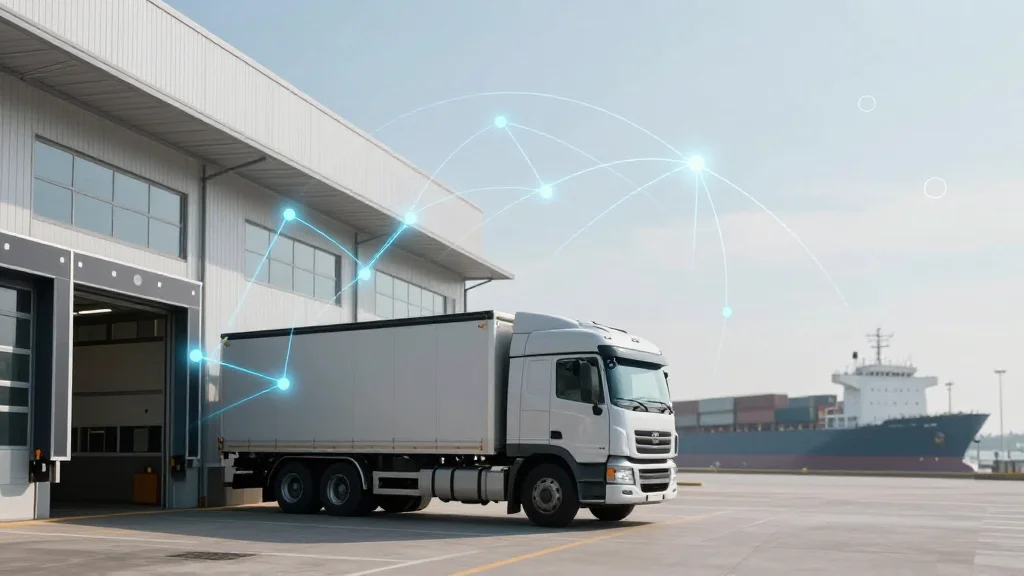
How Should Supply Chains Connect OMS, WMS and TMS for Agility?
Why It Matters
Integrated OMS, WMS and TMS turn execution into the control point, giving companies the agility to meet customer expectations while trimming operational expenses. The shift from reactive to proactive supply‑chain management is a competitive differentiator in today’s fast‑moving market.
Key Takeaways
- •Disconnected OMS, WMS, TMS cause slow handoffs and hidden costs
- •Real‑time integration delivers visibility from order capture to delivery
- •AI‑enabled execution turns data into instant routing and labor decisions
- •Phased, modular rollout reduces risk and accelerates user adoption
- •Titan Brands cut backorders 70% and cut order‑to‑ship time
Pulse Analysis
Modern supply chains are no longer linear pipelines; they are dynamic, multi‑node networks that must respond to demand spikes, carrier disruptions, and inventory fluctuations in minutes rather than days. Keeping OMS, WMS and TMS in isolation creates data latency that forces planners to chase problems after they surface. By stitching these core systems together, companies gain a unified execution fabric where order intake, warehouse picking, and transportation routing share a single source of truth. This real‑time visibility eliminates manual reconciliations, shortens order‑to‑ship cycles, and provides the granular data needed for downstream analytics.
The true power of integration emerges when artificial intelligence is embedded directly into the execution layer. AI can evaluate incoming shipment risks, forecast inventory imbalances, and re‑optimize carrier selections on the fly, turning raw data into prescriptive actions without human intervention. Early adopters such as Titan Brands reported a 70% drop in backorders and a shift from days‑long to hour‑level fulfillment after linking OMS and WMS. Similarly, Billerud’s combined TMS‑warehouse platform now handles 150,000 loads annually with fewer staff, thanks to automated routing and mode selection. These gains translate into higher customer satisfaction scores and measurable margin improvement.
However, integration is not a plug‑and‑play project. Success hinges on disciplined change management, rigorous data‑quality programs, and a modular rollout strategy that tackles the highest‑friction interfaces first. Organizations should start by connecting order capture to warehouse execution, validate data flows, and then expand to transportation planning. Building audit trails and exception‑handling routines from day one prevents the classic “clean‑up after go‑live” scenario. As the integrated layer matures, AI can progressively assume more decision‑making authority, delivering a truly intelligent supply chain that acts, not merely reacts, to market volatility.
How Should Supply Chains Connect OMS, WMS and TMS for Agility?
Comments
Want to join the conversation?
Loading comments...