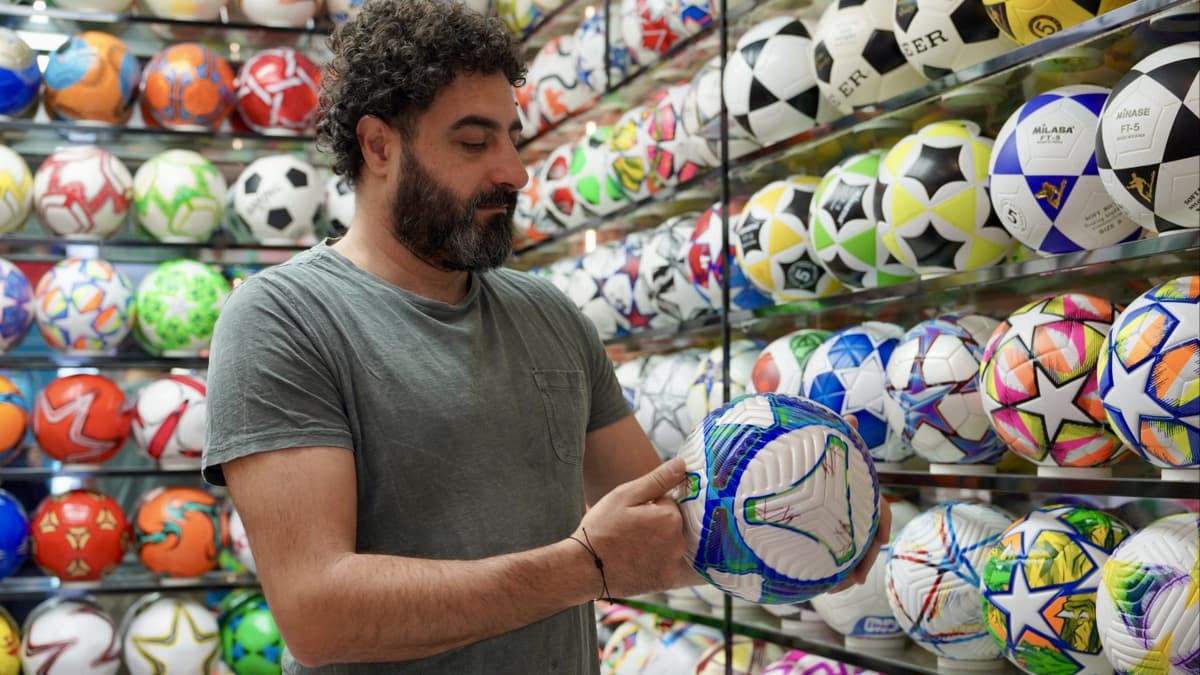
How This Chinese City Is Netting Profits Amid World Cup Fever
Why It Matters
The surge translates into significant revenue for Chinese manufacturers and signals robust global consumer spending ahead of the 2026 World Cup, while demonstrating the resilience of China’s export model amid trade tensions.
Key Takeaways
- •Yiwu exports rose 24% YoY, reaching about $100 billion total.
- •Sports‑goods shipments up 12% YoY, roughly $400 million in Q1.
- •World Cup merch sales up 20% month‑over‑month, handling 70% of global market.
- •Vendors added extra shifts; orders grew 25% in April alone.
- •Demand shifted from Middle East to Central Asia, keeping growth steady.
Pulse Analysis
Yiwu’s reputation as the world’s largest small‑commodity market has taken on new relevance with the upcoming 2026 FIFA World Cup. The city’s sprawling Yiwu International Trade Market now hosts aisles of officially licensed kits, Messi‑themed souvenirs, and country‑specific memorabilia, reflecting a strategic pivot by local merchants who first capitalised on the 2018 and 2022 tournaments. By positioning itself as the primary source for 70% of global World Cup merchandise, Yiwu not only fuels domestic employment—evidenced by factories running two to three shifts—but also provides a critical supply node for retailers across Europe, Latin America, and emerging Central Asian markets.
Despite heightened U.S.-China tariff negotiations and geopolitical frictions, Yiwu’s sports‑goods sector has shown remarkable resilience. Export data from Yiwu Customs reveal a 24% year‑on‑year increase, pushing total city exports to roughly $100 billion, while sports‑goods shipments alone rose 12% YoY to about $400 million in Q1. The sector’s growth has been buoyed by favourable tariff classifications for sports items and a diversified buyer base that quickly offset losses from Middle Eastern customers with new orders from Uzbekistan and neighboring nations. This adaptability underscores the city’s capacity to navigate external shocks without compromising volume.
The implications extend beyond regional profit margins. Global brands seeking rapid, cost‑effective production now view Yiwu as a reliable partner for scaling World Cup‑related product lines, especially given the expanded 48‑team format that promises broader fan engagement. Moreover, the city’s export momentum signals sustained consumer appetite for sports memorabilia, a trend that could influence inventory strategies for retailers worldwide. As the tournament draws nearer, Yiwu’s performance will likely serve as an early indicator of worldwide spending patterns, offering valuable insights for investors and supply‑chain planners alike.
How this Chinese city is netting profits amid World Cup fever
Comments
Want to join the conversation?
Loading comments...