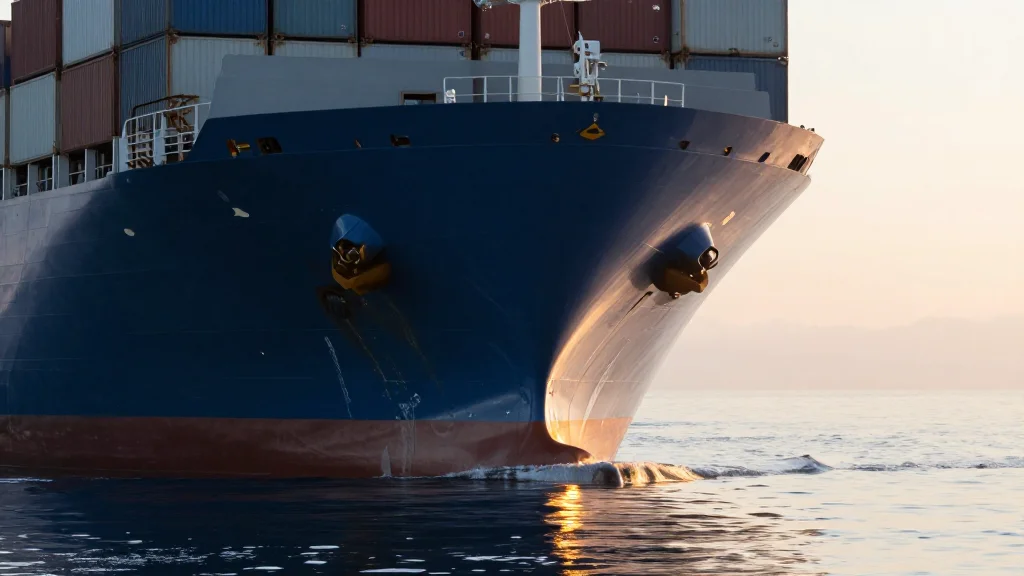
How to Regain US Maritime Dominance? MARAD Looks to Academy Students for the Answer
Why It Matters
By tapping fresh academic talent, MARAD aims to generate bold, long‑term solutions that could reshape U.S. maritime policy and bolster national security amid intensifying global trade competition.
Key Takeaways
- •MARAD offers $1,500 competition for maritime academy students.
- •Focus on systemic redesign, not incremental policy tweaks.
- •Proposals must address financing, logistics, ports, and regulation.
- •Winner presents at National Maritime Day in May.
- •Initiative reflects Trump-era push for US shipping self‑sufficiency.
Pulse Analysis
President Donald Trump’s 2025 executive order to restore U.S. maritime dominance has placed the shipping sector at the forefront of national policy discussions. The order underscores concerns over supply‑chain vulnerabilities and the strategic advantage held by China’s state‑backed fleet. MARAD, led by Administrator Stephen Carmel, is now translating that political mandate into a concrete initiative, seeking innovative ideas that move beyond traditional incremental reforms. By framing the challenge as a systemic reset, the agency signals a willingness to rethink the regulatory and financial architecture that has long governed American shipping.
The competition targets students enrolled in the nation’s maritime academies, a pool of emerging engineers, logisticians, and policy analysts familiar with both operational realities and emerging technologies. Offering a modest $1,500 prize and a platform at National Maritime Day, MARAD hopes to attract bold proposals that address financing models, port modernization, logistics integration, and regulatory frameworks in a cohesive manner. This approach leverages academic research capabilities while injecting fresh perspectives into a sector often dominated by entrenched industry players.
If successful, the initiative could catalyze a broader policy shift toward a more resilient, domestically‑controlled maritime ecosystem. Industry stakeholders may adopt winning concepts, prompting investments in green shipbuilding, advanced cargo handling, and digital supply‑chain platforms. Moreover, the competition highlights the growing intersection of national security and commercial shipping, suggesting that future legislative and budgetary decisions will increasingly prioritize strategic autonomy over pure cost competition. In this environment, the student‑driven ideas could become the blueprint for a new era of U.S. maritime competitiveness.
How to regain US maritime dominance? MARAD looks to academy students for the answer
Comments
Want to join the conversation?
Loading comments...