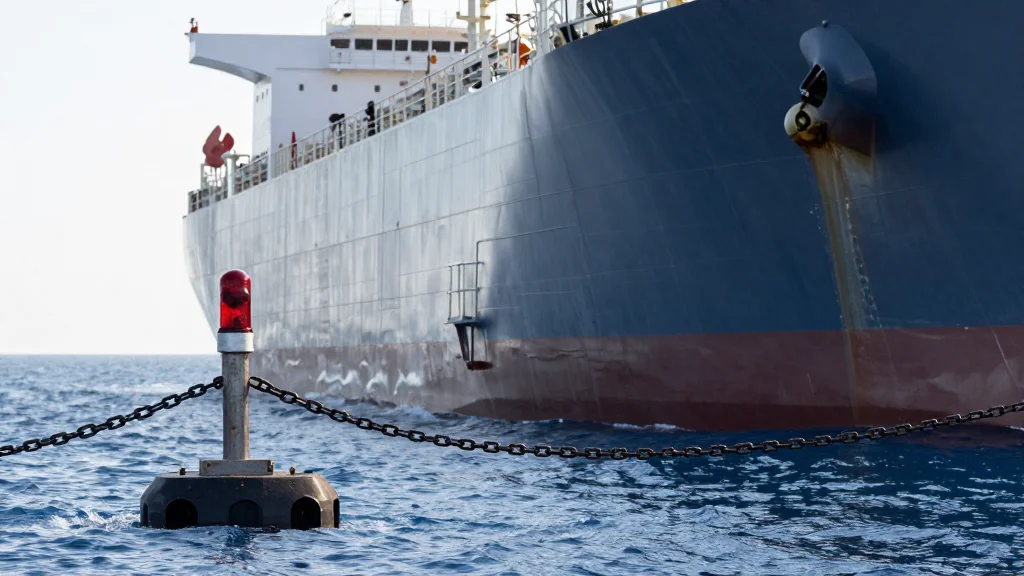
How Tolls in the Strait of Hormuz Would Undercut International Law
Why It Matters
Imposing tolls threatens the fragile framework of international maritime law and could destabilize global oil markets by adding a new cost layer to a critical chokepoint.
Key Takeaways
- •U.S. and Iran both eye tolls despite UNCLOS bans
- •Strait of Hormuz moves about one‑fifth of world oil
- •Neither nation has ratified the Law of the Sea treaty
- •Trump claims personal morality supersedes international law
- •Enforcement relies on mutual respect, not legal penalties
Pulse Analysis
The Strait of Hormuz has long been a linchpin of global energy logistics, funneling roughly 20 percent of the world’s oil through a narrow waterway that sits between the Persian Gulf and the Arabian Sea. While the United Nations Convention on the Law of the Sea (UNCLOS) establishes a free‑passage regime for such international straits, the United States and Iran remain among the few major powers that have not ratified the treaty. This legal gap creates a gray zone where both sides can argue that UNCLOS does not bind them, setting the stage for unilateral actions that could reshape maritime norms.
Recent statements from former President Donald Trump and Iranian officials signal a coordinated push to monetize the passage. Trump publicly advocated a U.S. toll, framing it as a sovereign response to Iran’s own fee proposals, which are slated to take effect once regional hostilities subside. Both proposals run afoul of UNCLOS provisions that forbid charging for the mere act of navigation, raising questions about the enforceability of international law when key actors opt out of its framework. The debate also underscores how political rhetoric—Trump’s claim that he needs only his own morality—can clash with established multilateral agreements, potentially eroding the credibility of global governance structures.
If tolls are implemented, the immediate impact would be felt in oil pricing and supply chain reliability. Shipping companies would face higher operating costs, likely passing them onto consumers and inflating energy prices worldwide. Moreover, the precedent of charging for passage through a strategic strait could embolden other nations to impose similar fees, threatening the principle of free navigation that underpins international trade. The situation highlights the fragility of international law when enforcement depends on collective consent rather than binding authority, prompting policymakers to reconsider how to safeguard critical maritime corridors in an era of rising geopolitical tension.
How Tolls in the Strait of Hormuz Would Undercut International Law
Comments
Want to join the conversation?
Loading comments...