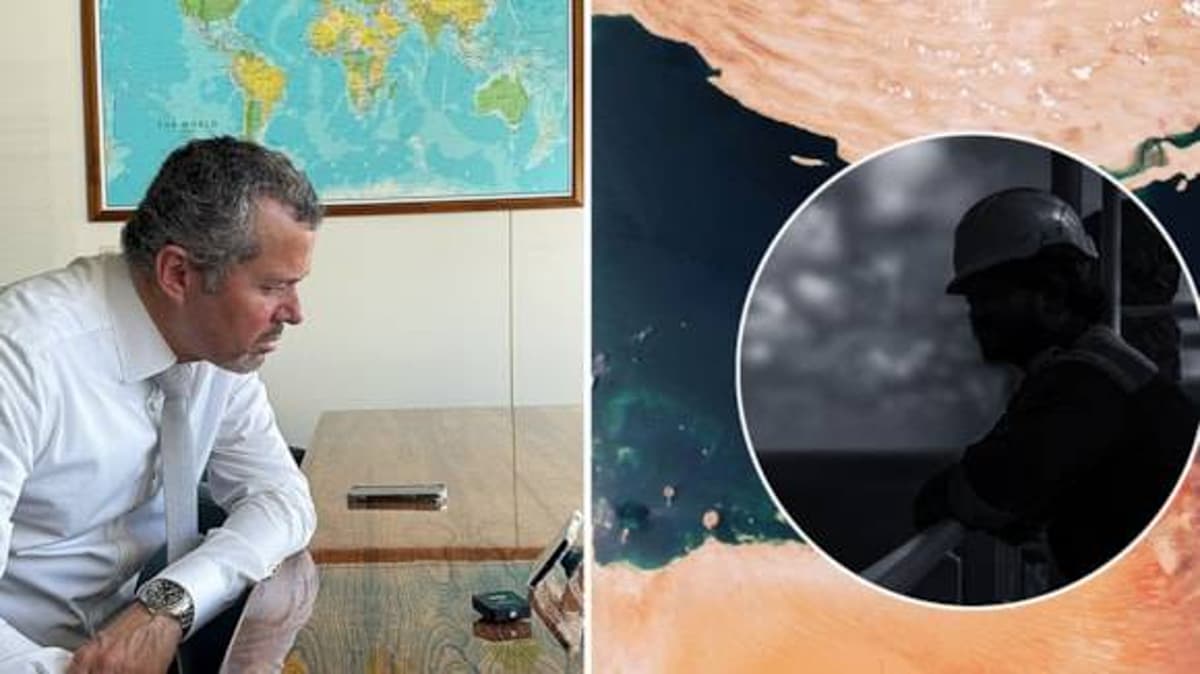
IMO: No Safe Passage Through Strait of Hormuz
Why It Matters
The crisis threatens both human lives and the uninterrupted flow of oil through the world’s most vital maritime chokepoint, pressuring parties to secure a safe corridor.
Key Takeaways
- •~20,000 seafarers on 1,600 vessels trapped in Gulf
- •29 verified attacks caused 10 deaths since conflict began
- •Supplies on stuck ships risk running out soon
- •IMO proposes evacuation corridor using established traffic separation scheme
- •Flag states urged to provide remote support and family communication
Pulse Analysis
The Strait of Hormuz remains one of the world’s most critical chokepoints, channeling roughly a third of daily global oil shipments. Since the regional conflict entered its eighth week, the International Maritime Organization (IMO) has documented 29 verified attacks on vessels transiting the Persian Gulf and the strait, resulting in ten fatalities and the seizure of several ships. These incidents have not only disrupted freight schedules but also heightened insurance premiums and rerouting costs for carriers, underscoring how geopolitical flashpoints can quickly reverberate through global supply chains.
Beyond commercial losses, the conflict has created a humanitarian emergency at sea. Around 20,000 seafarers aboard 1,600 vessels are stranded, with dwindling provisions of water, food, and fuel threatening basic survival. IMO Secretary‑General Arsenio Domínguez warned that crews are experiencing severe mental‑health strain, feeling “invisible” and undervalued. The organization is urging flag states, NGOs, and shipowners to deliver remote assistance, maintain family communication lines, and ensure wage payments, emphasizing that seafarer welfare is a legal and ethical priority under the Maritime Labour Convention.
To resolve the stalemate, the IMO is drafting an evacuation plan that would employ the internationally recognized traffic separation scheme as a protected corridor, pending a mutual cease‑fire on attacks against maritime assets. Successful implementation will require coordinated diplomatic engagement with Iran, Oman, and supporting nations such as France and the United Kingdom. If achieved, the corridor could restore safe passage, stabilize oil flows, and set a precedent for collective crisis management in contested waterways, reinforcing the IMO’s role as a neutral facilitator of global maritime safety.
IMO: No Safe Passage Through Strait of Hormuz
Comments
Want to join the conversation?
Loading comments...