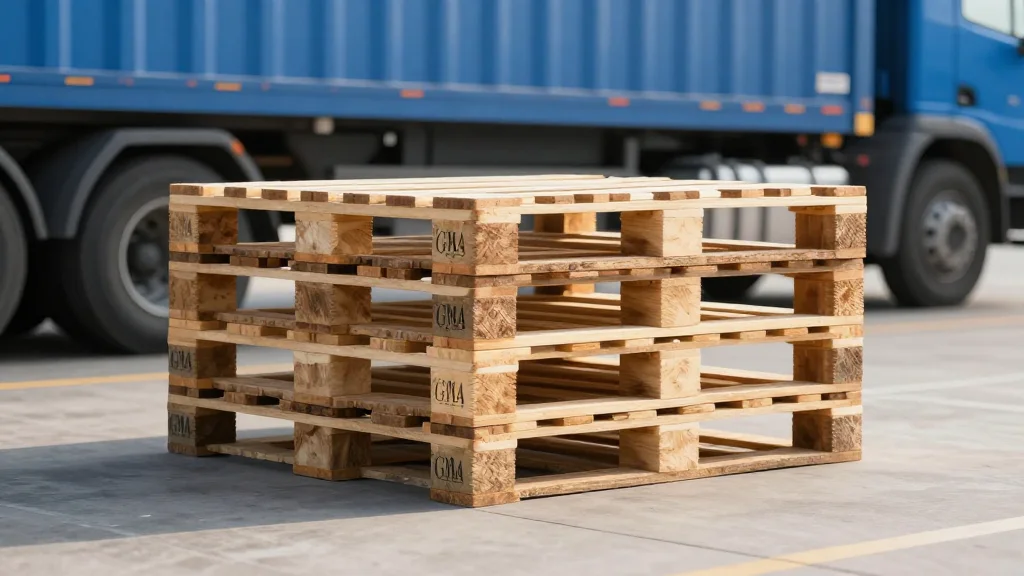
Increased Pallet Production Costs Pressuring Buyers
Why It Matters
Rising pallet costs directly impact logistics budgets, forcing buyers to renegotiate contracts and reassess inventory strategies. The shift signals broader pressure points in the supply chain, where material price inflation can erode margins for downstream industries such as food and beverage.
Key Takeaways
- •US softwood GMA pallet prices jumped the most in years in April.
- •Buyer education campaign highlighted low‑grade lumber cost inflation.
- •Early‑month price surge eased as macro uncertainty and freight headwinds grew.
- •Volatile pallet costs strain procurement budgets and supplier negotiations.
Pulse Analysis
The April price spike in softwood GMA pallets reflects a confluence of supply‑side pressures and strategic buyer outreach. Manufacturers leveraged a buyer‑education campaign to explain the rising cost of low‑grade lumber, a key input that has been climbing due to tighter timber supplies and higher sawmill operating expenses. By framing the narrative around cost drivers, producers secured acceptance for higher assessments across all pallet grades and delivery zones, resulting in the most significant price jump recorded since Fastmarkets began its tracking in 2024.
For supply‑chain executives, the abrupt increase translates into immediate budgeting headaches. Pallet costs, a seemingly modest line item, constitute a substantial portion of total logistics spend, especially for high‑volume shippers in the food, beverage, and consumer goods sectors. The early‑month surge coincided with seasonal freight activity, but as macroeconomic uncertainty grew—fuel price volatility, driver shortages, and weakening southern yellow pine prices—the upward momentum tapered. This volatility forces procurement teams to adopt more dynamic pricing models, incorporate real‑time market data, and renegotiate terms with pallet suppliers to safeguard profit margins.
Looking ahead, the pallet market is likely to remain sensitive to broader economic signals. Continued freight demand, coupled with any further tightening of timber supplies, could reignite price pressures. Companies that invest in robust market intelligence platforms and diversify their pallet sourcing—balancing new and used inventory—will be better positioned to navigate these fluctuations. Ultimately, transparent data and proactive supplier engagement will be essential for maintaining cost‑effective logistics operations in an increasingly volatile environment.
Increased pallet production costs pressuring buyers
Comments
Want to join the conversation?
Loading comments...