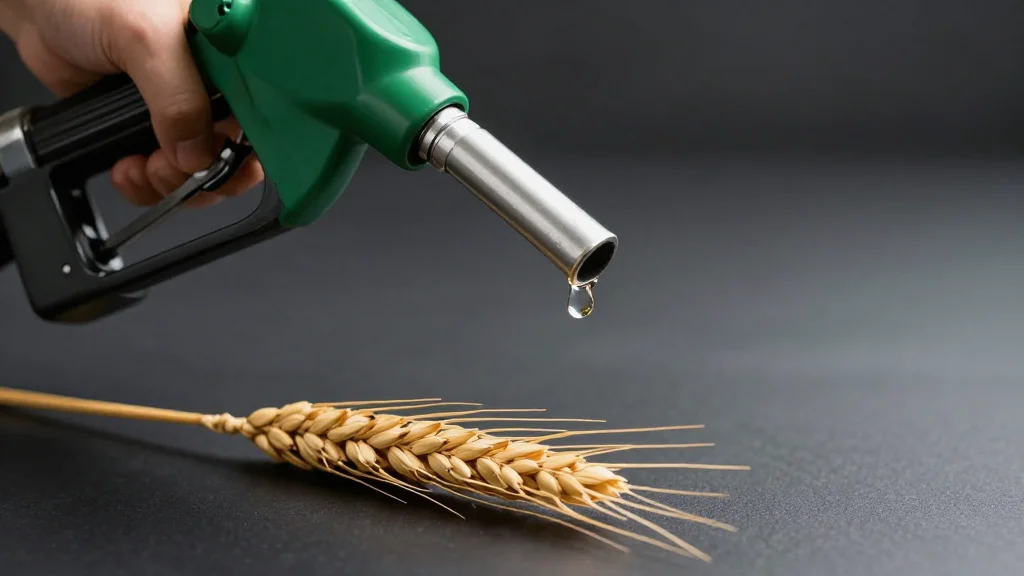
Independent Supermarkets Struggle to Keep Prices Down as Iran War Hurts
Why It Matters
Rising input costs threaten the thin margins of independent grocers, risking grocery price inflation and further strain on households already facing a cost‑of‑living crisis.
Key Takeaways
- •Iran war lifts fuel, fertilizer costs, hitting Australian groceries.
- •Drakes Supermarkets absorbs supplier hikes, avoids price hikes for shoppers.
- •Minimum delivery fees jumped from $200 to $500 (≈$330 USD).
- •Transport fuel bills rose $10,000/month (≈$6,600 USD) for small chains.
- •Retailers urge government transparency to curb panic buying.
Pulse Analysis
The ongoing Iran‑Israel war has rippled through global commodity markets, pushing fuel and fertilizer prices to multi‑year highs. Australian agriculture, heavily dependent on imported inputs, now faces cost spikes that cascade down the supply chain. As growers negotiate higher freight and input expenses, distributors pass those pressures onto retailers, creating a perfect storm for grocery pricing. Analysts note that such external shocks often accelerate existing inflationary trends, especially when combined with lingering pandemic‑era supply constraints.
Independent supermarkets, which operate on razor‑thin margins, feel the squeeze most acutely. Chains like Drakes have chosen to absorb supplier surcharges, but smaller operators report delivery minimums climbing from $200 to $500 (≈$330 USD) and fuel bills surging by $10,000 per month (≈$6,600 USD). These cost escalations erode profitability and limit the ability to offer competitive pricing. While recent fuel‑excise cuts provided temporary relief, the underlying volatility remains, prompting many owners to reassess inventory strategies and negotiate tighter contracts with logistics partners.
The broader implication is a potential uptick in grocery price inflation, which could deepen the cost‑of‑living crisis for Australian consumers. Retailers are urging the government to improve transparency around fuel supplies and consider targeted subsidies to stabilize the market. Policy clarity could dampen panic buying, preserve consumer confidence, and give independent grocers the certainty needed to make sustainable pricing decisions. Without such intervention, the sector risks a feedback loop of higher prices and reduced foot traffic, reshaping the competitive landscape of Australian retail food.
Independent supermarkets struggle to keep prices down as Iran war hurts
Comments
Want to join the conversation?
Loading comments...