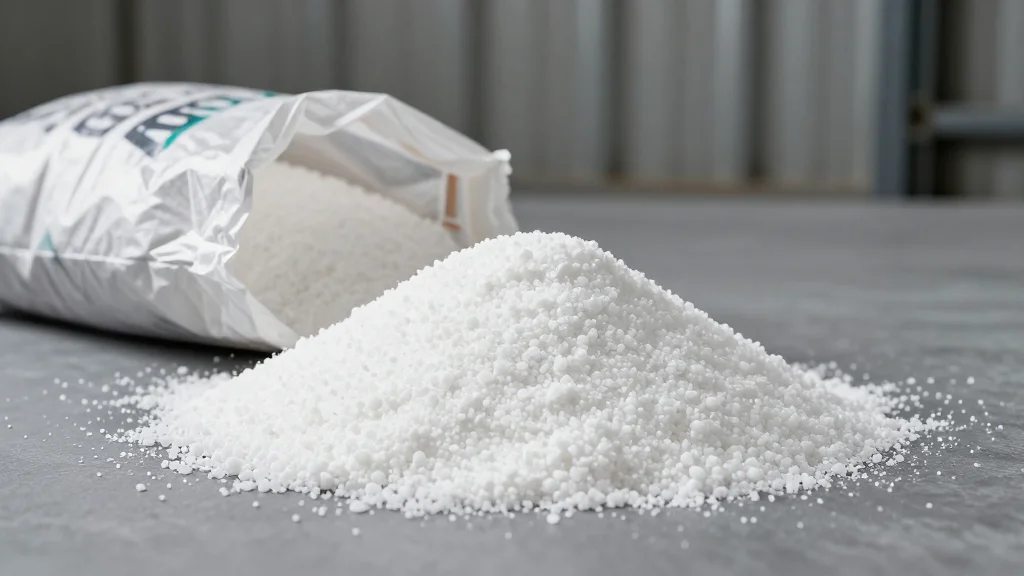
India Plans Joint Buying of Fertilizers, Raw Materials
Why It Matters
Collective buying aims to stabilise domestic fertilizer supply, curb price volatility, and reduce India’s exposure to geopolitical shocks, strengthening the country’s agricultural input security.
Key Takeaways
- •India’s fertilizer firms to pool demand for DAP, TSP
- •Three‑month consortium will aggregate raw‑material purchases
- •Joint tender covers 1.6 mn t of DAP and TSP
- •Goal: ensure supply and competitive pricing amid Hormuz closure
Pulse Analysis
India’s agricultural sector, which consumes roughly a third of the world’s fertilizer output, has long grappled with supply volatility. Recent geopolitical tensions, notably the temporary closure of the Strait of Hormuz—a critical chokepoint for ammonia and sulphur shipments—exposed the fragility of India’s import‑dependent model. Historically, the country has mitigated such risks for urea through coordinated imports, but other essential nutrients like DAP, MOP and NPS/NPK have remained vulnerable, prompting the ministry to explore a broader joint‑buy strategy.
The ministry’s proposal establishes a three‑month consortium where national producers collectively tender for fertilizers and raw materials. Indian Potash Limited (IPL) has already launched a tender for 1.6 million tonnes of DAP and TSP, signaling the operational rollout of the model. By aggregating demand, the consortium can negotiate bulk discounts, lock in longer‑term contracts, and smooth out price spikes that typically follow supply shocks. This approach also reduces administrative overhead for individual firms and aligns with the government’s broader objective of securing strategic inputs for food security.
Globally, the move could reshape fertilizer trade flows. A coordinated Indian buying bloc may exert downward pressure on international prices, influencing exporters from the Middle East, North Africa and Russia. Simultaneously, domestic calls—such as the Gujarat Chamber’s demand for a six‑month sulphur export ban—highlight a protective stance that could tighten global supply further. For investors and industry analysts, India’s joint‑buy initiative signals a shift toward more centralized procurement, potentially setting a precedent for other large import‑dependent economies seeking resilience against geopolitical disruptions.
India plans joint buying of fertilizers, raw materials
Comments
Want to join the conversation?
Loading comments...