India Vows Maritime Supply‑Chain Resilience at Japan‑Hosted AZEC Plus Summit

Why It Matters
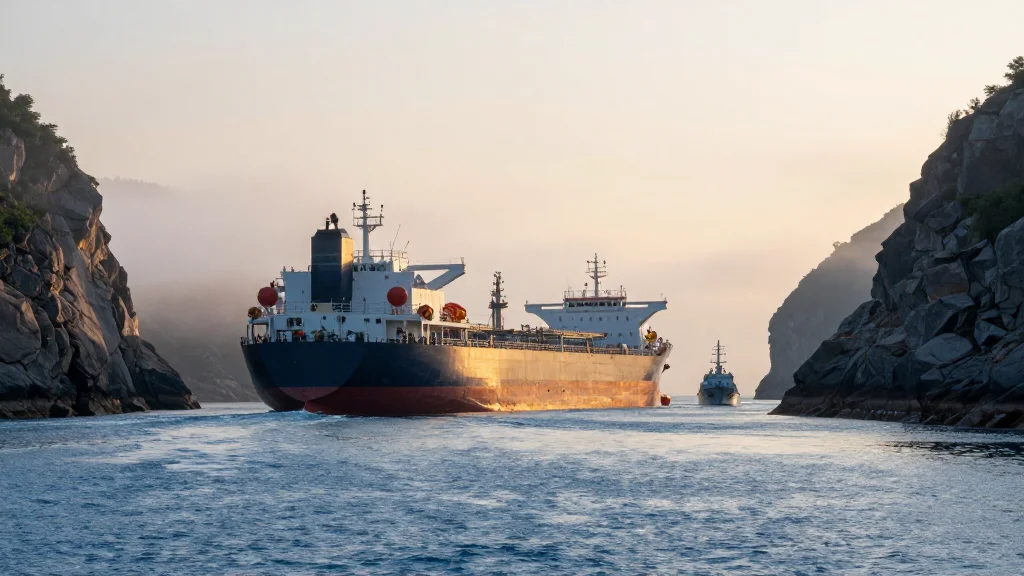
The Strait of Hormuz is a linchpin of global energy supply; any interruption can reverberate through oil prices, manufacturing costs, and consumer inflation worldwide. India’s public commitment to maritime security and supply‑chain resilience signals a shift toward a more proactive regional security posture, potentially reducing reliance on ad‑hoc diplomatic interventions. By aligning with Japan’s AZEC framework, India joins a multilateral effort that blends energy policy with maritime safety, creating a platform for coordinated investments in port infrastructure, real‑time cargo monitoring, and joint naval exercises. This collaborative approach could lower the risk of supply shocks, stabilize energy markets, and provide a template for other regions facing similar chokepoint vulnerabilities.
Key Takeaways
- •External Affairs Minister S. Jaishankar pledged to work with partners on maritime supply‑chain resilience at the AZEC Plus summit.
- •Jaishankar called attacks on merchant shipping "completely unacceptable" and stressed the importance of safe transit for global energy markets.
- •Malaysian Prime Minister Anwar Ibrahim affirmed Malaysia’s commitment to regional cooperation on energy security and LNG supply.
- •The meeting took place amid heightened tensions in the Strait of Hormuz, where a US‑led blockade and UKMTO restrictions are in effect.
- •AZEC, launched by Japan in 2022, may become a conduit for joint risk‑assessment, port‑infrastructure investment, and rapid‑response mechanisms.
Pulse Analysis
India’s declaration at the AZEC Plus summit marks a strategic pivot from a traditionally non‑interventionist stance toward a more engaged role in maritime security. Historically, New Delhi has relied on diplomatic channels to address shipping threats, but the escalation of attacks in the Strait of Hormuz and the U.S. blockade have forced a reassessment. By framing supply‑chain resilience as a collective responsibility, India is positioning itself as a regional stabilizer, which could translate into greater influence over future security architectures in the Indian Ocean.
The broader market impact hinges on how quickly the AZEC members can operationalize their commitments. If joint patrols, shared intelligence platforms, and diversified routing become reality, the risk premium on oil and LNG could recede, easing price volatility that has plagued markets since early 2026. Conversely, a lack of concrete steps would leave the supply chain vulnerable to geopolitical shocks, reinforcing the very disruptions the summit seeks to prevent.
Looking ahead, the success of this initiative will depend on three variables: political will among AZEC participants, the ability to secure funding for infrastructure upgrades, and the alignment of naval capabilities across the region. Should these elements coalesce, the AZEC Plus framework could evolve into a model for other chokepoints—such as the Bab el‑Mandeb or the Malacca Strait—where coordinated resilience planning becomes essential for global trade continuity.
India Vows Maritime Supply‑Chain Resilience at Japan‑Hosted AZEC Plus Summit
Comments
Want to join the conversation?
Loading comments...