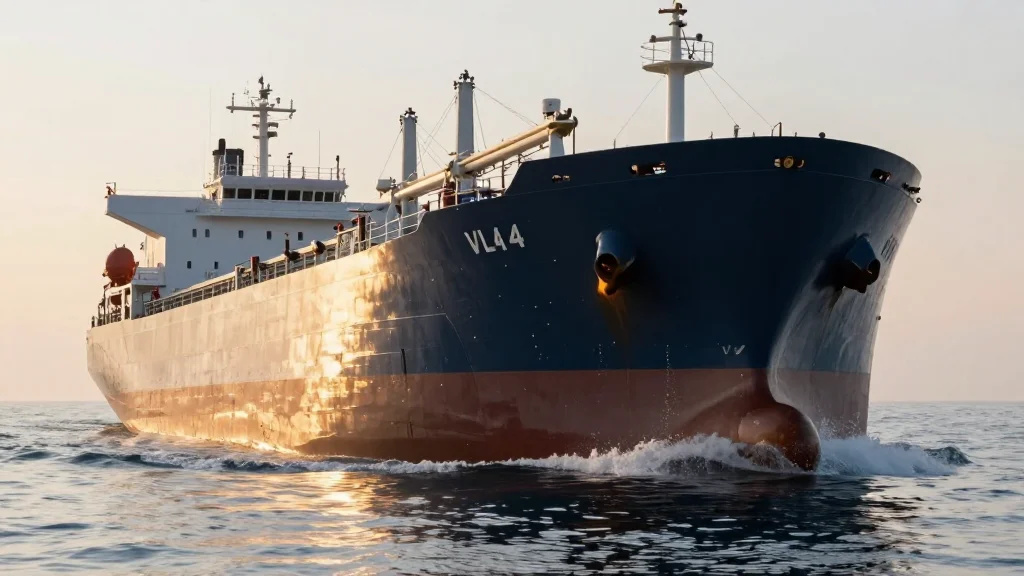
Indian Refiner Knocks Back Iranian Cargoes on Two VLCCs as US Waiver Ends
Why It Matters
The end of the U.S. waiver forces Indian refiners to reassess sanction‑risk exposure, influencing import decisions and global crude pricing. It also signals a tightening of enforcement that could limit Iran’s re‑entry into international oil markets.
Key Takeaways
- •Reliance rejected two VLCC Iranian oil cargoes as U.S. waiver expires
- •U.S. 30‑day waiver on Iranian oil ended Sunday, no renewal expected
- •Indian government approved five tankers, including black‑listed VLCCs Derya and Lenore
- •IOC bought 2 million barrels on a VLCC, first purchase in seven years
Pulse Analysis
The United States lifted a 30‑day waiver that had temporarily allowed the sale of Iranian crude, a measure originally introduced to temper price spikes after Iran’s exports were halted by Gulf shipping restrictions. Treasury Secretary Janet Yellen (actually Scott Bessent per article) signaled that the waiver would not be renewed, sending a clear signal that sanctions will resume in full force. The policy shift has already nudged global benchmarks higher, as traders scramble for alternative supplies and assess the risk premium attached to any Iranian cargo that manages to reach market.
Reliance Industries, India’s largest private refiner, cited compliance gaps and refused to take on two VLCC shipments—Derya and Lenore—despite prior government clearance for five Iranian‑linked tankers. Both vessels appear on U.S. sanctions lists, and the Indian firm’s internal risk protocols demand strict adherence to international embargoes to protect its financing lines and downstream contracts. By turning away the cargoes, Reliance avoids potential penalties and reputational damage, while signaling to investors that it will not gamble on politically exposed shipments even when domestic policy appears permissive.
The episode underscores a broader shift in the Middle East energy landscape. Iraq’s ministry has announced a restart of exports from all fields, and state‑run Indian Oil Corp has already secured a 2‑million‑barrel Iranian cargo—the first such deal in seven years—suggesting that some players are still willing to navigate the sanction‑risk corridor. However, with the U.S. waiver gone, shipping firms and refiners are likely to tighten vetting, potentially throttling Iran’s ability to re‑enter the global market and keeping crude prices volatile for months to come.
Indian refiner knocks back Iranian cargoes on two VLCCs as US waiver ends
Comments
Want to join the conversation?
Loading comments...