Indonesia Nickel Tailings Landslide Exposes Waste‑Management Gaps, Threatens Global Battery Supply

Why It Matters
Indonesia supplies more than half of the world’s nickel, a metal essential for lithium‑ion batteries that power electric vehicles and renewable‑energy storage. Any interruption in its production reverberates through the entire EV supply chain, potentially raising vehicle costs and slowing the transition to low‑carbon transport. Moreover, the landslide spotlights a systemic safety gap in waste‑management practices that could lead to environmental contamination, community health risks, and costly legal liabilities for mining firms. For investors and policymakers, the event is a reminder that rapid commodity‑boom expansions must be matched with robust environmental and engineering standards. Failure to do so not only endangers workers but also threatens the reliability of a critical supply chain that underpins global climate goals.
Key Takeaways
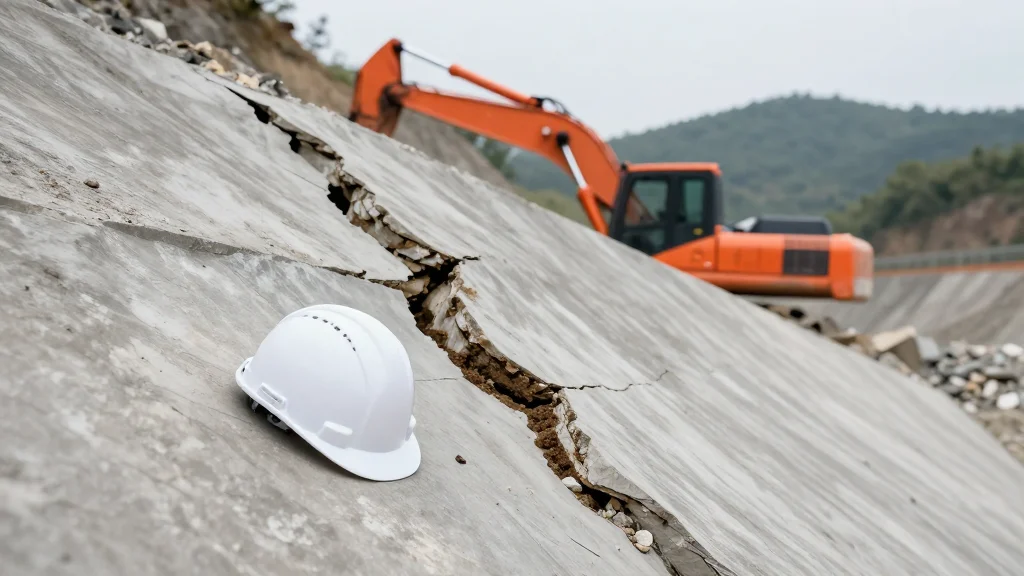
- •Feb. 18, 2026 landslide at PT QMB’s filtered‑tailings site in Morowali killed an excavator operator
- •Water content in Indonesian tailings can reach 35%, double the typical 15% for dry‑stack designs
- •Indonesia’s nickel output rose to 2.2 million metric tons in 2024, representing 59.5% of global supply
- •Each ton of nickel produces ~133 tons of acidic tailings, straining waste‑management capacity
- •Experts call for stricter design, compaction, and drainage standards to prevent future failures
Pulse Analysis
The Morowali landslide is more than an isolated safety incident; it is a symptom of a supply‑chain strain that has been building as the world races toward electrification. Indonesia’s aggressive push to capture the EV battery market has relied on HPAL technology, which, while efficient at extracting nickel from low‑grade ore, creates massive volumes of acidic tailings. The industry’s quick adoption of filtered‑dry‑stack solutions was intended to sidestep the dam‑failure disasters seen elsewhere, yet the rapid scaling has outpaced engineering best practices.
Historically, tailings failures have prompted regulatory overhauls in mining‑intensive jurisdictions—Australia’s 2019 Samarco dam breach led to stricter water‑content monitoring and independent safety audits. Indonesia now faces a similar crossroads. If regulators impose rigorous standards, the sector may incur short‑term cost increases, but the payoff will be a more resilient supply chain and reduced ESG risk, which is increasingly demanded by Western investors and automakers.
Strategically, the incident could accelerate diversification of nickel sourcing. Companies like Tesla and BYD have already begun exploring projects in Canada, Brazil, and the Philippines to hedge against geopolitical and operational risks. In the medium term, we may see a modest shift in the pricing curve for nickel, with premiums for responsibly sourced material widening. For Indonesia, the challenge will be to balance its ambition to dominate the battery metal market with the imperative to protect workers, communities, and its own reputation on the global stage.
Indonesia Nickel Tailings Landslide Exposes Waste‑Management Gaps, Threatens Global Battery Supply
Comments
Want to join the conversation?
Loading comments...