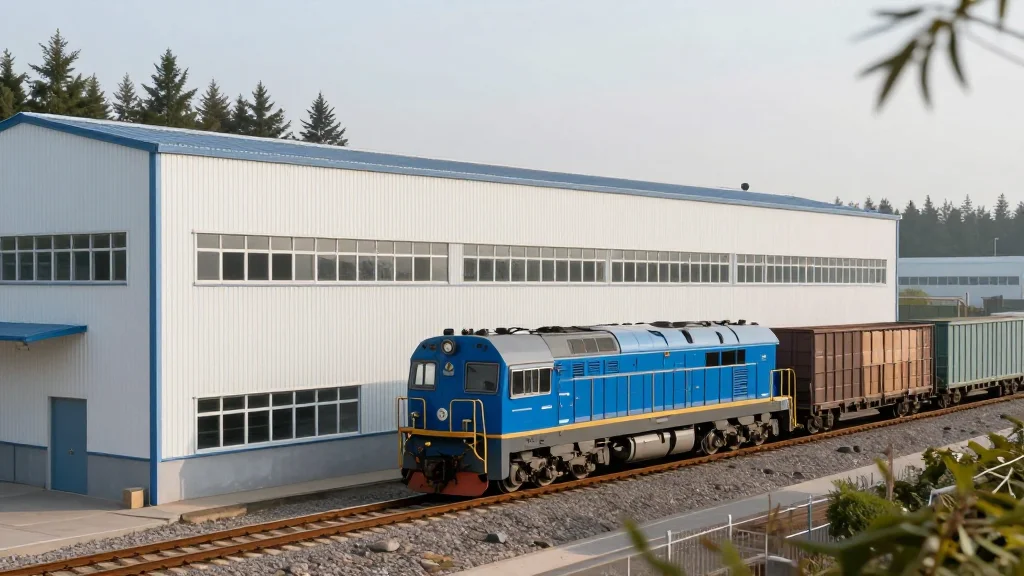
International Paper Taps CPKC for Rail Needs at Mississippi Facility
Companies Mentioned
Why It Matters
Integrating CPKC’s cross‑border rail network reduces handling costs and improves transit reliability, giving International Paper a competitive edge in North‑American packaging markets. The partnership also promises higher freight volumes for CPKC, reinforcing its role in regional supply‑chain resilience.
Key Takeaways
- •CPKC will handle inbound raw materials and outbound shipments for IP
- •Facility’s 468,000‑sq‑ft size boosts regional packaging capacity
- •Direct rail link taps CPKC’s Canada‑US‑Mexico single line
- •Projected Q4 2027 opening will increase CPKC freight volumes
- •Similar railroad partnerships signal logistics shift for US manufacturers
Pulse Analysis
International Paper’s new Mississippi plant marks a strategic expansion of its packaging footprint, adding 468,000 square feet of production capacity to serve the southeastern United States. By situating the facility near CPKC’s rail corridor, the company ensures that raw timber, pulp, and other inputs arrive via a single, high‑capacity mode, while finished goods can be dispatched efficiently to distribution hubs across the continent. This rail‑first approach reduces reliance on truck lanes, cuts fuel consumption, and positions the plant for scalable growth as demand for sustainable packaging rises.
CPKC’s involvement brings a unique advantage: a seamless single‑line network that stretches from Canadian ports through the United States into Mexico. The railroad’s ability to coordinate inbound and outbound movements on the same line minimizes dwell time and simplifies scheduling, which translates into tighter inventory turns for International Paper. Moreover, the partnership aligns with CPKC’s broader strategy to capture higher freight volumes from industrial customers, reinforcing its position as a critical artery for North‑American trade. The direct rail link also offers greater predictability in transit times, a valuable asset for manufacturers facing volatile fuel prices and driver shortages.
The collaboration reflects a broader industry shift toward dedicated rail logistics, as seen in Hobby Lobby’s recent BNSF intermodal facility. Companies are increasingly seeking rail partnerships to mitigate bottlenecks in the trucking sector and to achieve more sustainable, cost‑effective supply chains. As e‑commerce and packaging demand accelerate, such rail‑centric models could become a standard blueprint for manufacturers aiming to enhance reliability, reduce carbon footprints, and unlock new market opportunities across the continent.
International Paper taps CPKC for rail needs at Mississippi facility
Comments
Want to join the conversation?
Loading comments...