Interview with Christina Gomez-Terry of Plus One Robotics: Why Warehouse Robotics Succeeds or Fails at Scale
Companies Mentioned
Why It Matters
Consistent, reliable automation determines whether logistics operators can meet e‑commerce demand without costly downtime, shaping the competitive landscape of warehouse technology.
Key Takeaways
- •Plus One Robotics hit 2 billion lifetime picks across its fleet.
- •Scaling failures stem from hardware wear and software update complexities.
- •Mean time between failures drives design decisions for large‑scale deployments.
- •Integration partners become critical bottlenecks in brownfield warehouse projects.
Pulse Analysis
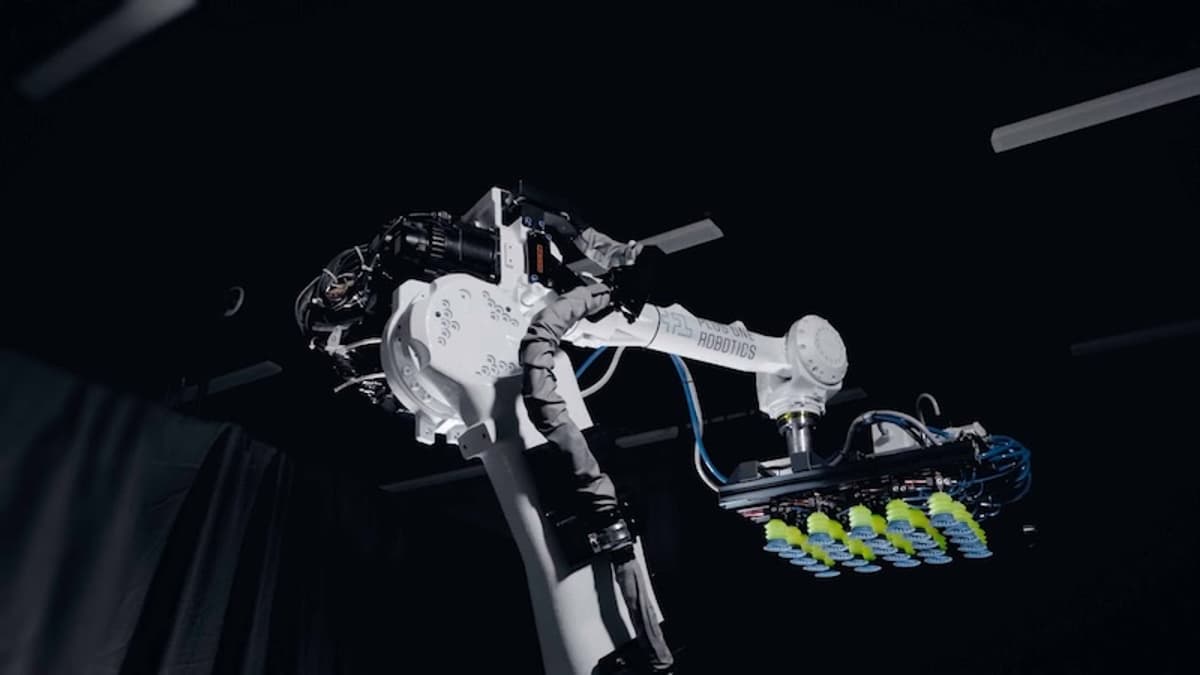
Warehouse robotics has moved past the proof‑of‑concept stage; operators now face the real test of scaling across multiple facilities. The challenge is less about peak speed and more about maintaining consistent uptime. Hardware components such as hoses, vision‑processing GPUs, and USB boards wear out unpredictably, forcing operators to stock spare parts and develop rapid‑response maintenance protocols. Software updates, while essential for performance gains, can introduce incompatibilities that ripple through a fleet, making a robust feedback loop between design and support teams indispensable.
Reliability metrics like mean time between failures (MTBF) have become the primary design criterion for vendors like Plus One Robotics. A system that can operate for an hour without human intervention is no longer a luxury but a baseline expectation. Companies must balance upgrade cycles—deciding when newer GPUs or firmware justify a service interruption against the risk of falling behind on performance. This calculus directly impacts total cost of ownership and influences whether logistics firms can sustain high throughput during peak seasons.
The next frontier in warehouse automation is integration, especially in brownfield environments where existing infrastructure must be retrofitted. Integrators act as risk‑bearers, stitching together AI‑driven perception, manipulation, and warehouse management systems into a cohesive workflow. Their expertise determines how quickly and smoothly new robots can be deployed, making them a strategic bottleneck. As e‑commerce growth and labor shortages accelerate automation adoption, the ability to seamlessly integrate and support large‑scale robotic fleets will separate market leaders from the rest.
Interview with Christina Gomez-Terry of Plus One Robotics: Why warehouse robotics succeeds or fails at scale
Comments
Want to join the conversation?
Loading comments...