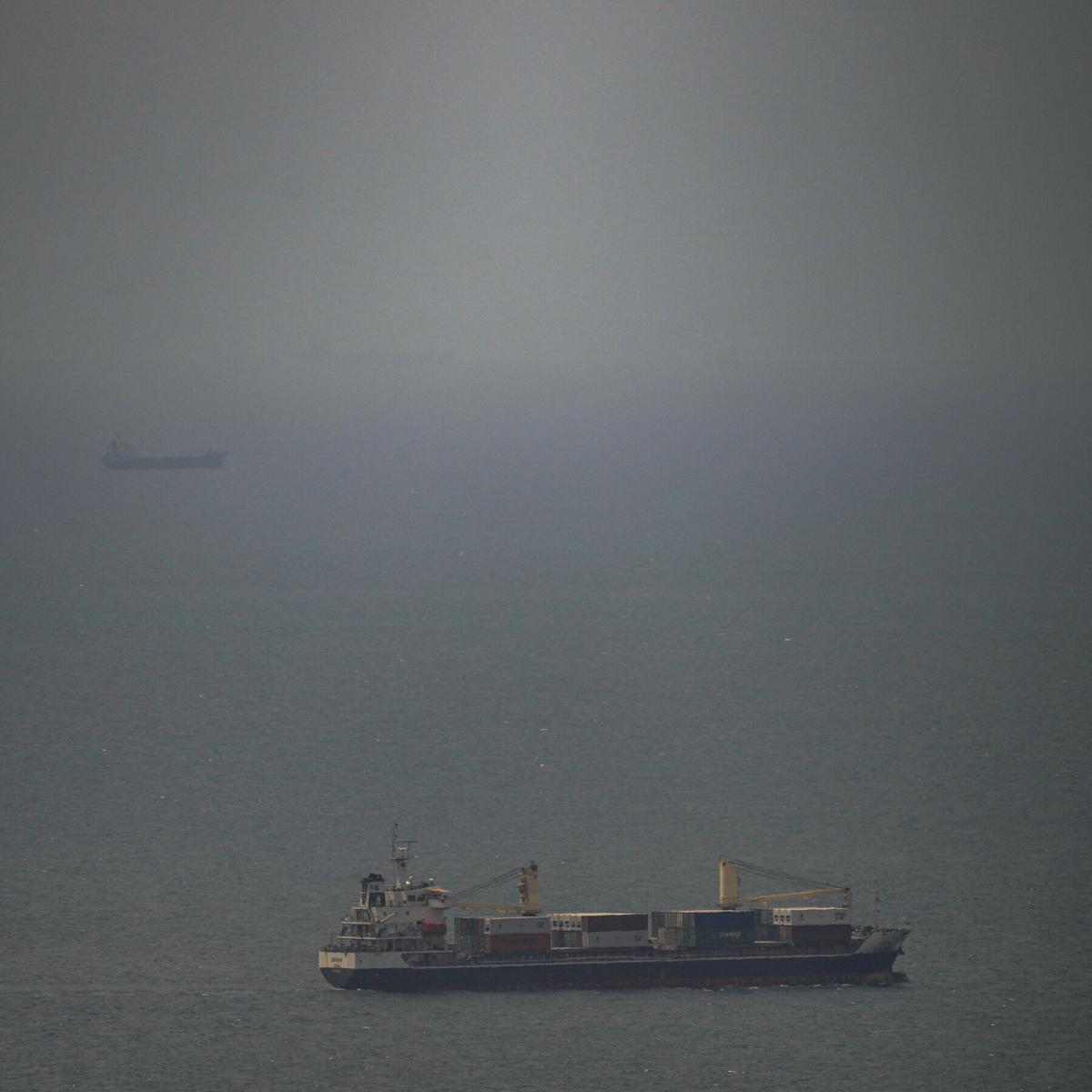
Iran Again Tightens Its Grip on Shipping in the Strait of Hormuz
Why It Matters
The disruption threatens global energy supply chains, pushing up gasoline and diesel costs and adding inflationary pressure on businesses and consumers. It also strengthens Iran’s bargaining position in negotiations with the United States.
Key Takeaways
- •Only one ship passed Strait of Hormuz on Tuesday, a historic low.
- •Iran attacked two cargo vessels Wednesday, halting most traffic.
- •Strait handles ~20% of global oil; disruption spikes fuel prices worldwide.
- •Attacks give Tehran leverage in U.S. negotiations despite extensive US strikes.
Pulse Analysis
The Strait of Hormuz has long been a chokepoint for energy markets, funneling roughly a fifth of the world’s oil and a sizable portion of natural gas through a 21‑mile corridor. Recent ship‑tracking data shows traffic plummeting to a single vessel on Tuesday, a stark indicator of heightened risk perception among commercial operators. Iran’s decision to fire on two cargo ships on Wednesday underscores its willingness to translate rhetoric into kinetic action, effectively turning the waterway into a battlefield and sending a clear signal to global shippers.
Energy analysts warn that even brief interruptions in Hormuz flow can ripple through global markets, inflating crude benchmarks and raising retail gasoline, diesel, and heating‑fuel prices. With oil futures already sensitive to geopolitical shocks, the sudden scarcity of transit capacity is prompting traders to reassess supply‑risk premiums. The resulting price spikes increase operating costs for manufacturers, logistics firms, and consumers, feeding broader inflationary trends that central banks are already battling. In regions heavily dependent on imported fuel, the surge translates into higher household expenses and tighter profit margins for businesses.
Strategically, Tehran’s aggressive posture serves a dual purpose: it amplifies economic pain on the West while bolstering its leverage in any diplomatic settlement. Despite the United States conducting thousands of strikes and establishing a naval blockade, Iran’s ability to disrupt a critical artery demonstrates a persistent asymmetrical advantage. Policymakers in Washington must now weigh the cost of further military escalation against the risk of prolonged market instability, while Iranian negotiators may use the strait’s leverage to extract concessions on sanctions or nuclear talks. The evolving dynamics suggest that the Strait of Hormuz will remain a focal point of both energy security and geopolitical maneuvering for the foreseeable future.
Iran Again Tightens Its Grip on Shipping in the Strait of Hormuz
Comments
Want to join the conversation?
Loading comments...