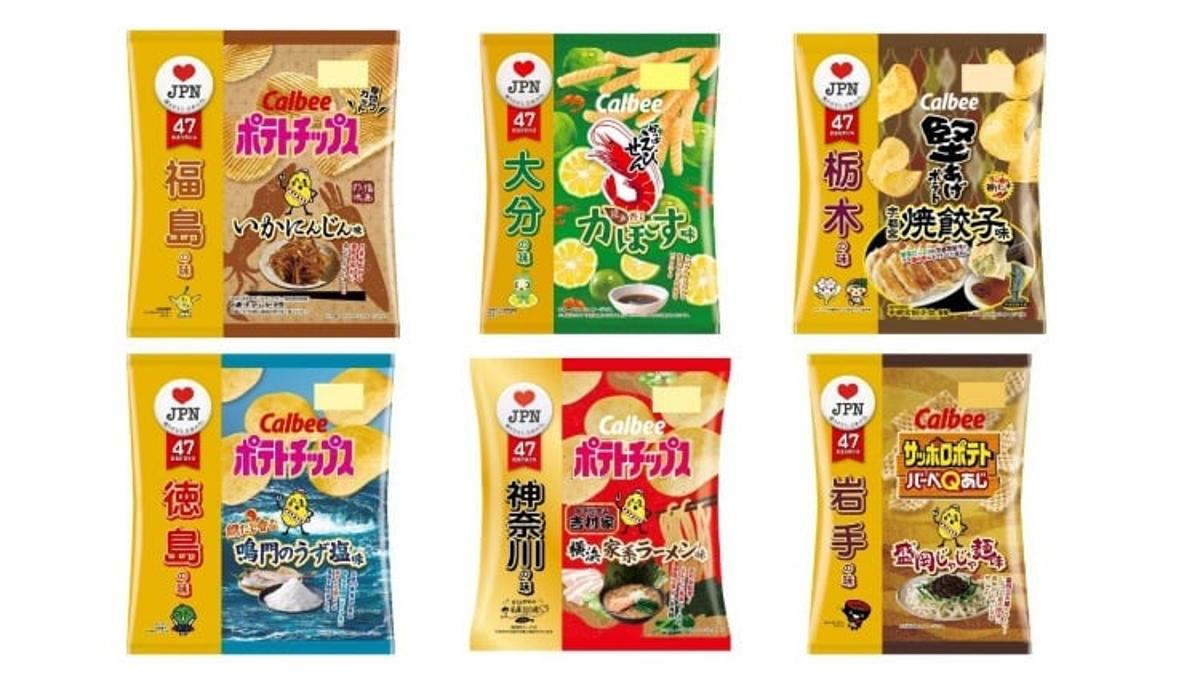
Iran Conflict Drains the Colour From Snack Packs
Companies Mentioned
Why It Matters
The disruption highlights the snack industry’s hidden dependence on petrochemical feedstocks, exposing a cost and branding risk that could affect margins across the sector. It also signals that geopolitical tensions can quickly translate into visible changes on consumer shelves.
Key Takeaways
- •Calbee shifts 14 snack lines to monochrome packaging due to naphtha shortage
- •Middle East naphtha imports account for roughly 40% of Japan’s supply
- •Cost volatility may force brands to simplify designs and reduce print complexity
- •Smaller snack makers face sharper pressure than multinationals from rising petrochemical prices
Pulse Analysis
Naphtha sits at the heart of the global petrochemical chain, serving as the primary feedstock for ethylene, propylene and benzene production. These building blocks become the plastics, inks and adhesives that give snack bags their bright colours and barrier properties. The Iran‑related disruption of shipments through the Strait of Hormuz has curtailed naphtha flows, especially to Asia where many crackers are naphtha‑centric, driving price spikes and supply uncertainty that ripple through downstream industries.
For snack manufacturers, the impact is immediate and visible. Calbee’s decision to roll out monochrome packaging for 14 products underscores how a raw‑material shortage can force brands to abandon elaborate print finishes that differentiate products on crowded shelves. While larger multinationals can absorb higher material costs through long‑term contracts, smaller players and private‑label producers may see profit margins squeezed, prompting a shift toward simpler graphics, reduced promotional runs, and delayed limited‑edition launches. The ripple effect extends beyond chips to any food category that relies on flexible, multi‑layer packaging.
Looking ahead, sustained naphtha volatility could accelerate a strategic reassessment of packaging portfolios. Companies may explore bio‑based polymers, thicker monolayer films, or even redesign products to reduce packaging complexity, balancing branding needs with cost and sustainability pressures. Regulators in the EU, US and Asia already enforce strict food‑contact standards, so any material substitution must meet safety criteria. Ultimately, the Calbee case serves as a warning that geopolitical shocks can quickly translate into consumer‑facing changes, prompting the snack sector to diversify supply chains and rethink the chemistry behind its most iconic visual assets.
Iran conflict drains the colour from snack packs
Comments
Want to join the conversation?
Loading comments...