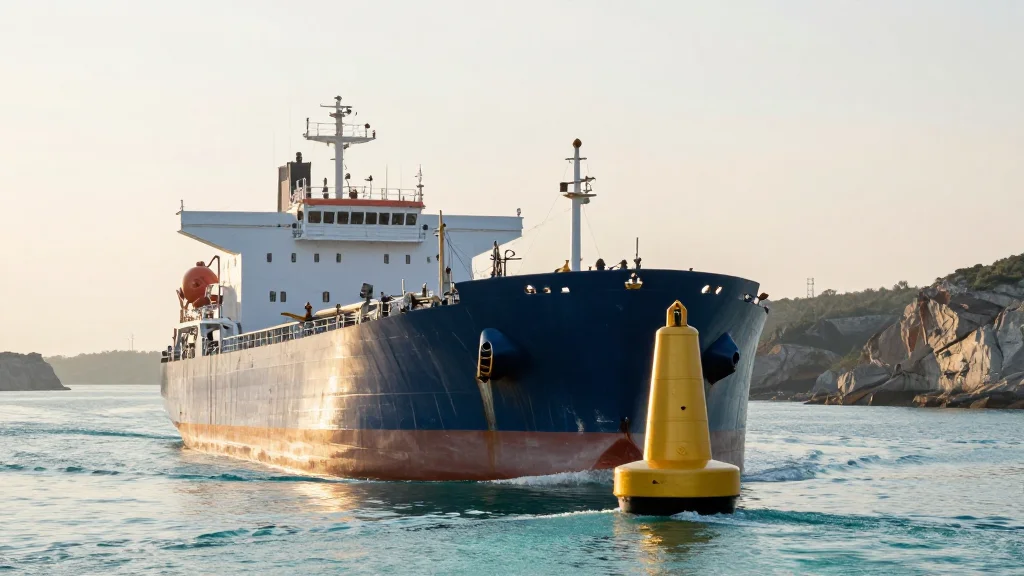
Iran Levies $1‑2 Million Hormuz Toll, Sending Shipping Costs Soaring

Why It Matters
The Hormuz tax directly inflates the cost of moving oil and goods, tightening margins for shippers and raising end‑consumer prices worldwide. Because the strait handles a fifth of global energy trade, any fee—especially one measured in millions per vessel—creates a ripple that can destabilize freight markets, spur route diversification, and accelerate the shift toward alternative energy logistics. For manufacturers reliant on timely container deliveries, the added expense may force inventory adjustments, renegotiated contracts, and a reassessment of supply‑chain resilience strategies. Beyond immediate price effects, the levy underscores how geopolitical tools are being monetized, turning a strategic chokepoint into a revenue source. This blurs the line between political coercion and fiscal policy, compelling multinational corporations to factor geopolitical risk into financial planning more than ever before.
Key Takeaways
- •Iran imposes a $1.5‑2 million levy per vessel transiting the Strait of Hormuz.
- •The tax could lift oil tanker freight rates by 5‑7% and add $300 million to monthly container costs.
- •Frontline reports 55 idle supertankers near Hormuz, each earning $100,000‑$129,000 per day.
- •Freight insurance premiums for Hormuz routes have risen 15‑20% since the levy announcement.
- •U.S. and Iranian negotiators are discussing $12 billion upfront and $24 billion over 60 days as part of broader asset‑release talks.
Pulse Analysis
Iran’s decision to monetize the Hormuz passage marks a tactical evolution in how states leverage geography for fiscal gain. Historically, the strait functioned as a deterrent—its closure could choke global oil supplies. By shifting to a per‑vessel tax, Tehran extracts revenue while preserving the flow of commerce, a compromise that may be more palatable to global markets than outright blockage. However, the move also signals a willingness to embed geopolitical leverage into everyday logistics, a trend that could inspire similar tactics in other chokepoints, from the Suez Canal to the Panama Canal.
For the shipping industry, the immediate response will be cost‑pass‑through to shippers, but the longer‑term implication is a re‑evaluation of route risk models. Companies may accelerate investments in alternative corridors, such as the overland Iran‑China rail link, or increase reliance on longer maritime detours that, while fuel‑intensive, avoid the tax. This could reshape trade patterns, especially for time‑sensitive cargoes, and potentially benefit ports that serve as alternative gateways.
Finally, the tax intertwines with the stalled U.S.–Iran negotiations. Tehran’s demand for billions in frozen assets suggests the levy is a bargaining chip, not merely a revenue measure. If the U.S. concedes to asset releases, the tax could be reduced or suspended, creating a feedback loop where diplomatic progress directly influences shipping costs. Stakeholders across the supply chain—from oil producers to consumer goods manufacturers—must monitor diplomatic developments as closely as they track freight indices, because the next shift in the Hormuz calculus could arrive with a single diplomatic communiqué.
Iran Levies $1‑2 Million Hormuz Toll, Sending Shipping Costs Soaring
Comments
Want to join the conversation?
Loading comments...