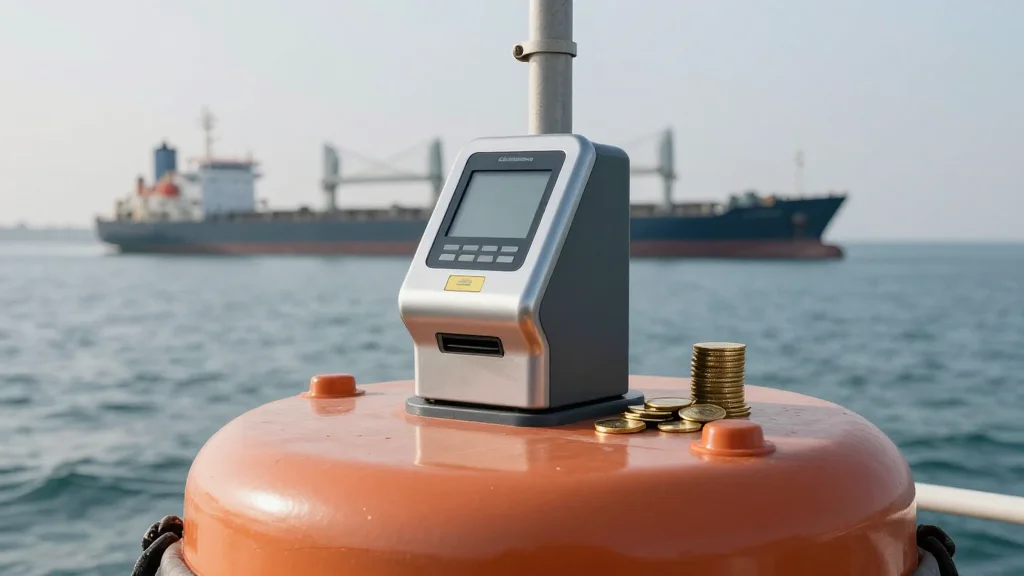
Iran to Prioritise Strait of Hormuz Passage for Vessels that Pay Fees
Why It Matters
Prioritising fee‑paying ships could tighten bottlenecks, raise shipping costs and pressure global oil prices, while escalating U.S.–Iran maritime tensions.
Key Takeaways
- •Iran will prioritize fee‑paying vessels in Hormuz
- •Non‑paying ships face delayed passage under new protocol
- •Restrictions follow accusations of U.S. cease‑fire breaches
- •Limited traffic could raise shipping costs and oil prices
- •Military control re‑asserted, signaling heightened regional tension
Pulse Analysis
The Strait of Hormuz remains one of the world’s most critical chokepoints, funneling roughly 20% of global oil shipments daily. Iran’s decision to prioritize vessels that pay security fees marks a return to tighter military oversight, a stance it justified by citing repeated U.S. violations of a cease‑fire pact. By limiting passage to fee‑paying ships, Tehran aims to exert fiscal leverage while maintaining a semblance of order amid heightened geopolitical friction.
For commercial operators, the new fee‑based hierarchy introduces operational uncertainty. Shipping lines may face longer wait times for vessels that decline to pay, potentially prompting reroutes around the Cape of Good Hope or increased reliance on alternative pipelines. Such delays can inflate freight rates and, by extension, oil spot prices, especially if the reduced throughput coincides with broader supply constraints. Companies will need to weigh the cost of the fees against the expense of longer voyages and the risk of cargo disruption.
The policy also underscores the broader strategic calculus between Washington and Tehran. By re‑asserting direct military control, Iran signals its willingness to use the strait as a bargaining chip in future negotiations, potentially prompting the U.S. and allied navies to increase patrols or consider diplomatic pressure to keep the waterway open. Analysts warn that any escalation could reverberate through global energy markets, making the Hormuz situation a focal point for investors monitoring geopolitical risk.
Iran to prioritise Strait of Hormuz passage for vessels that pay fees
Comments
Want to join the conversation?
Loading comments...