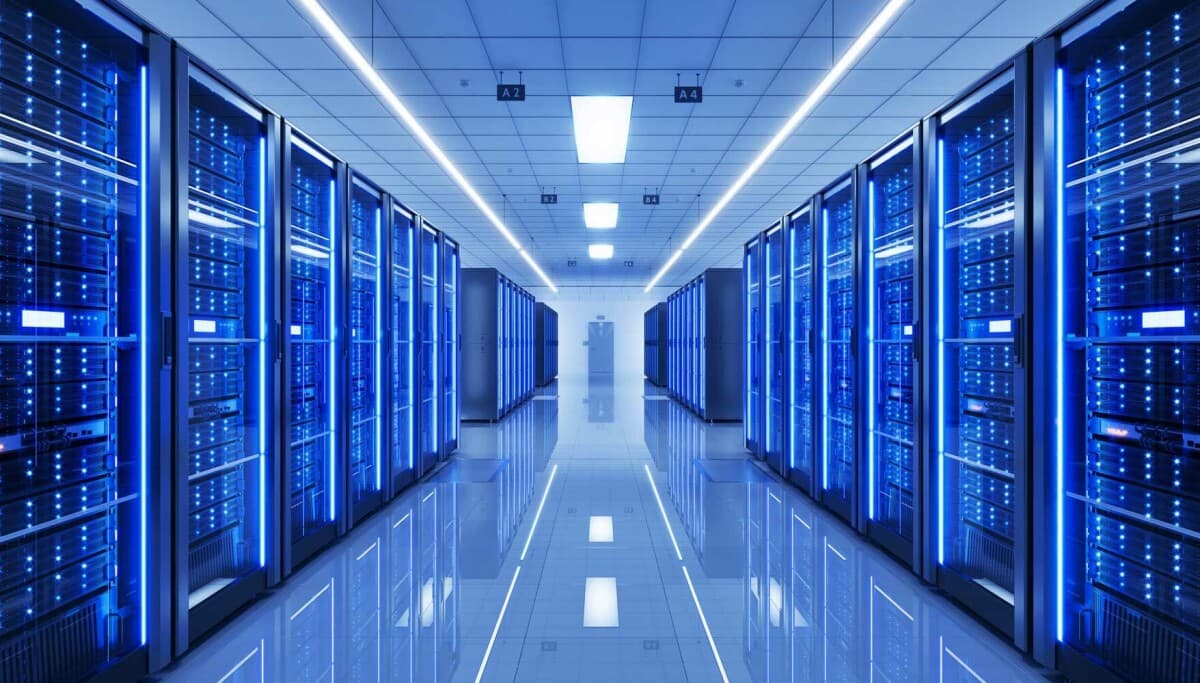
Iran War Hits Datacenter Building Supply Chains, Upping Costs

Companies Mentioned
Why It Matters
Rising material costs and elongated lead‑times threaten data‑center rollout schedules and profit margins, slowing cloud capacity growth at a time of heightened demand. The episode underscores the sector’s exposure to geopolitical shocks in energy‑intensive supply chains.
Key Takeaways
- •Material costs for data‑center builds up 20% due to Hormuz closure.
- •Supply of steel, aluminum, cement falls to roughly 25% of demand.
- •High‑voltage transformers and copper already faced shortages before the war.
- •Early long‑lead ordering and price‑escalation clauses can mitigate delays.
- •Diversifying away from oil‑based materials reduces geopolitical risk.
Pulse Analysis
The closure of the Strait of Hormuz has sent ripples through the global construction ecosystem, and data‑center projects feel the shock most acutely. These facilities rely on massive quantities of steel, aluminum, cement and energy‑intensive components, many of which are sourced from the Middle East where roughly one‑fifth of the world’s supply transits the strait. When shipping lanes are blocked, freight costs surge and delivery windows stretch, turning routine procurement into a strategic gamble for developers seeking to meet rapid cloud demand.
Industry analysts at IDC and BCS Consultancy warn that the current price spikes—up to 20% for core building materials—are not isolated incidents but part of a broader trend of volatility that began before the conflict. The energy‑intensive nature of steel, aluminum and cement production ties their cost to oil prices, which have risen sharply amid the crisis. Moreover, shortages of high‑voltage transformers and copper, essential for power‑dense data‑center environments, compound the challenge, echoing supply‑chain fragility observed across the wider construction sector.
To navigate this turbulence, firms are adopting proactive risk‑mitigation tactics. Early ordering of long‑lead items, embedding clear escalation clauses in contracts, and building diversified supplier portfolios are now best practices. Some developers are also exploring non‑oil‑based material alternatives, which, while sometimes pricier, align with emerging sustainability standards and reduce exposure to geopolitical disruptions. Even if the strait reopens, the recovery of transport routes and raw‑material markets will be gradual, making strategic sourcing a permanent fixture in data‑center project planning.
Iran war hits datacenter building supply chains, upping costs
Comments
Want to join the conversation?
Loading comments...