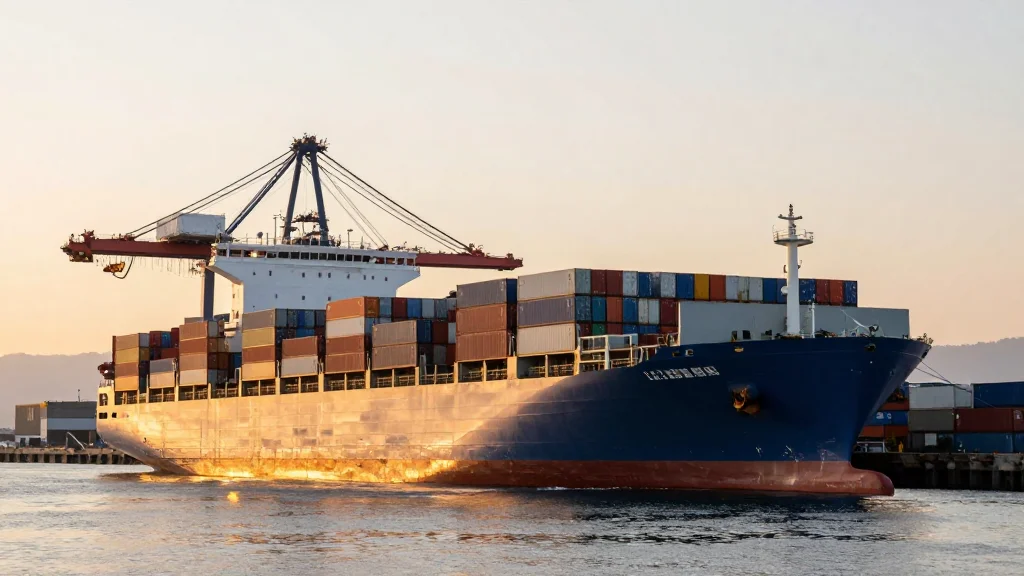
Iran War Is ‘a Concern, but It’s Not a Worry,’ Los Angeles Port Director Says
Why It Matters
The port’s stability signals that U.S. West Coast trade can remain reliable despite geopolitical shocks, supporting retailers’ inventory cycles and broader supply‑chain confidence.
Key Takeaways
- •Port processed 752,520 TEUs in March, 3% YoY decline.
- •April volume projected to reach 800,000 TEU range.
- •Iran war has not disrupted LA port operations so far.
- •Over 4,500 ships blocked from Strait of Hormuz in 40 days.
- •Experts warn supply‑chain recovery could take months.
Pulse Analysis
The escalation of hostilities between Iran and the United States has reignited concerns over the Strait of Hormuz, a chokepoint that handles roughly a fifth of global oil shipments. While the conflict has already forced more than 4,500 vessels to reroute or wait, its ripple effects on containerized cargo have been less pronounced. Analysts attribute this divergence to the geographic separation of oil flows from the transpacific lanes that dominate West Coast ports, allowing the Port of Los Angeles to maintain operational continuity despite regional volatility.
At the same time, the Port of Los Angeles reported processing 752,520 twenty‑foot equivalent units (TEUs) in March, a modest 3% dip from the same month last year when importers accelerated shipments ahead of anticipated tariff changes. Nonetheless, the port’s internal data platform, Port Optimizer, forecasts an April surge toward the 800,000‑TEU mark, driven by retailers replenishing spring and summer merchandise. This uptick underscores the resilience of transpacific trade routes and highlights how seasonal inventory cycles can buffer short‑term geopolitical shocks, keeping supply chains fluid for consumer goods.
Looking ahead, port officials are proactively engaging with peer terminals across Asia and the Pacific to detect early signs of cargo congestion that could arise from prolonged Middle East instability. Industry observers warn that while immediate container traffic remains steady, the broader logistics network—particularly oil‑linked freight costs and vessel availability—could face prolonged strain. Companies that diversify routing options and maintain flexible inventory buffers will be better positioned to navigate any future disruptions, reinforcing the strategic importance of West Coast ports in a volatile global trade environment.
Iran war is ‘a concern, but it’s not a worry,’ Los Angeles port director says
Comments
Want to join the conversation?
Loading comments...