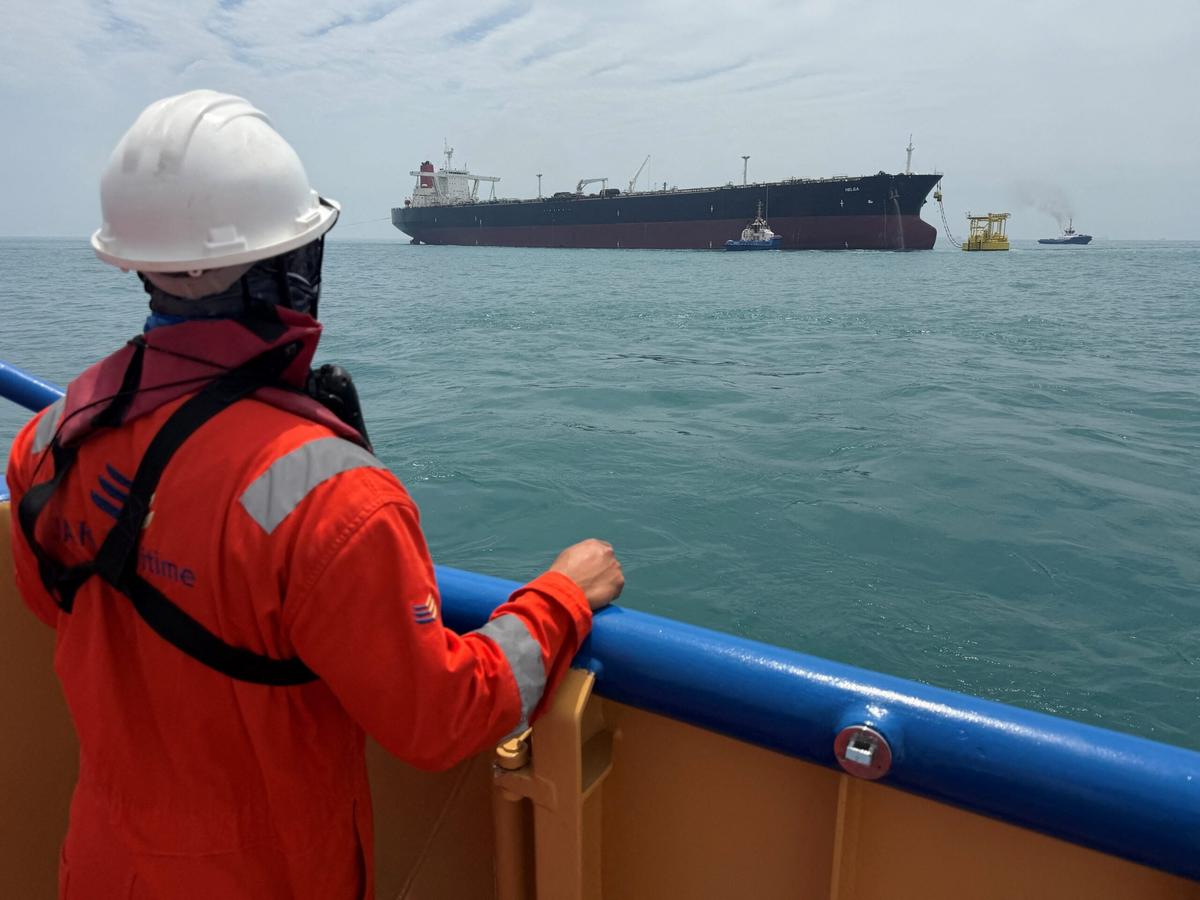
Iran War Leaves Seafarers Stranded In The Gulf
Why It Matters
The crisis threatens global oil and commodity flows and exposes a looming seafarer shortage that could raise freight costs and delay supply chains worldwide.
Key Takeaways
- •Over 2,600 Indian seafarers repatriated since conflict began
- •U.S. Navy blockade blocks vessels from sailing to Oman
- •Shipping firms refuse to fund costly air tickets for crews
- •Explosions and drone attacks heighten safety fears in Hormuz
- •Seafarer shortages could disrupt steel and urea shipments
Pulse Analysis
The ongoing hostilities in the Persian Gulf have turned the Strait of Hormuz—one of the world’s most vital maritime chokepoints—into a hazardous waiting room for commercial vessels. While the United States maintains a naval blockade to pressure Iran, the restriction also prevents ships carrying civilian cargo from reaching safe ports such as Oman, leaving crews marooned for days or weeks. For Indian seafarers, who comprise a significant share of the global maritime workforce, the situation is especially acute; the Indian Ministry of Shipping has had to step in, coordinating with Iranian authorities to secure safe passage and arranging costly repatriation flights.
Beyond the human toll, the stranded crews signal a broader risk to international trade. The Gulf region supplies a substantial portion of the world’s oil, petrochemicals, and bulk commodities like steel and urea. Repeated drone attacks, missile strikes, and the presence of naval mines have forced many operators to reroute vessels around the Arabian Sea, inflating fuel consumption and transit times. Shipping companies, already grappling with higher freight rates, are now facing additional pressure to cover emergency air‑ticket expenses for crew members, a cost many are unwilling to absorb without government assistance.
The longer‑term implications could reshape labor dynamics in the shipping industry. With safety concerns mounting, seafarers are increasingly reluctant to sign up for routes that pass through conflict zones, potentially tightening the already competitive market for qualified crew. This scarcity may drive up wages, incentivize automation, and accelerate the adoption of remote monitoring technologies. For stakeholders—from ship owners to commodity traders—understanding the evolving risk landscape in the Gulf is essential for navigating cost volatility and ensuring supply‑chain resilience.
Iran War Leaves Seafarers Stranded In The Gulf
Comments
Want to join the conversation?
Loading comments...