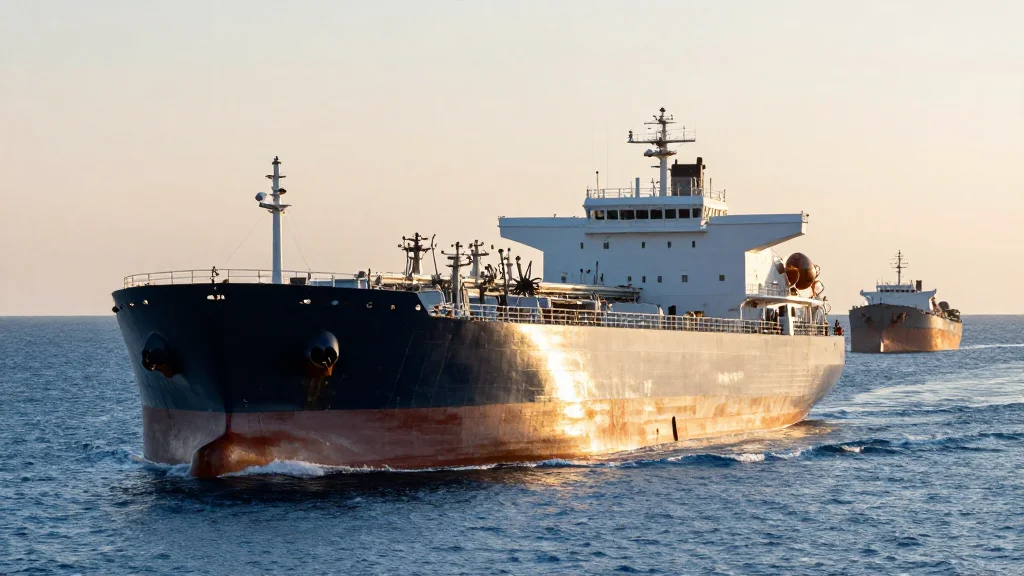
Iranian Oil Likely to Return to Mainstream Fleet
Companies Mentioned
Why It Matters
Removing sanctions would open a new volume of Iranian crude to the compliant tanker market, strengthening freight rates and altering trade flows for oil‑importing nations.
Key Takeaways
- •US‑Iran deal may lift sanctions on Iranian crude
- •Iranian oil could shift from shadow fleet to mainstream tankers
- •Increased compliant shipments likely boost global tanker day rates
- •China and other buyers may increase imports under new license
- •Venezuelan licensing precedent suggests similar US Gulf rate lift
Pulse Analysis
The United States and Iran are negotiating a 14‑point memorandum that, if finalized, would strip away the sanctions that have forced Iranian crude onto a shadow fleet of aging, under‑insured vessels. This fleet exists primarily to evade banking, insurance and transport restrictions, keeping Iranian oil out of the mainstream market. By granting a general license for Iranian exports, the agreement would normalize the commodity, allowing it to be shipped on fully compliant tankers that meet international safety and insurance standards. This regulatory shift not only reduces operational risk for shippers but also expands the pool of available cargo for global tanker operators.
For the shipping industry, the prospect of a sanctioned‑free Iranian supply represents a significant demand catalyst. Historically, the introduction of a general license for Venezuelan crude lifted freight rates on the US Gulf Coast as compliant ships rushed to capture the new cargo. Analysts anticipate a comparable surge in day rates for ultra‑large crude carriers and LR2 vessels as they vie for Iranian barrels, which could add several hundred thousand barrels per day to the compliant market. The influx would also improve vessel utilization, narrowing the gap between spot and time charter markets and potentially stabilizing earnings for shipowners still reeling from pandemic‑induced overcapacity.
Beyond the immediate shipping implications, the deal could reshape global oil trade patterns. China, the world’s largest independent refiner, has long sourced Iranian crude despite sanctions, and a US license would legitimize and possibly expand that flow. Other sanctioned or adversarial nations may also turn to Iranian oil as a reliable, lower‑cost alternative to Russian supplies. The combined effect could diversify import portfolios, reduce reliance on traditional Middle‑East suppliers, and embed Iranian crude more firmly into the global energy supply chain, influencing pricing dynamics and geopolitical leverage for years to come.
Iranian oil likely to return to mainstream fleet
Comments
Want to join the conversation?
Loading comments...