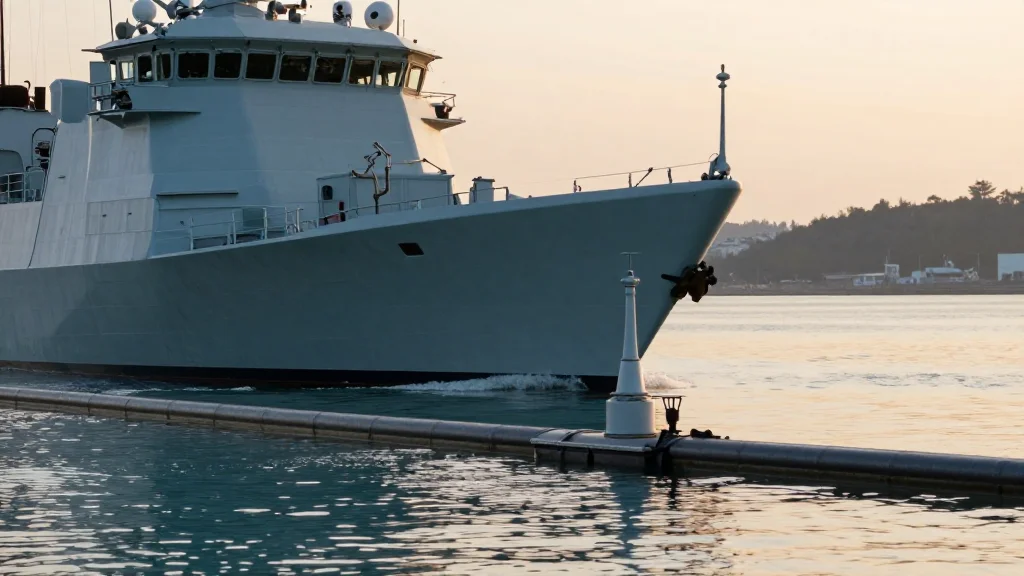
Iranian Regional Command Blacklisted by EU over Strait of Hormuz Toll
Why It Matters
The sanction raises compliance costs and legal exposure for global shippers, while signaling EU resolve to counter Iran’s leverage over a chokepoint that handles roughly a fifth of world oil trade.
Key Takeaways
- •EU sanctions IRGC Navy regional command for ship screening.
- •Two senior IRGC officials added to EU blacklist.
- •Tehran Tollbooth forces vessels to submit IDs, cargo data.
- •Sanctions may raise insurance premiums for Hormuz transits.
Pulse Analysis
The Strait of Hormuz remains one of the world’s most vital maritime arteries, funneling about 20% of global oil shipments through a narrow passage between Iran and the Arabian Peninsula. Over the past year, Iran’s Islamic Revolutionary Guard Corps Navy has tightened its grip, installing a digital checkpoint known as the Tehran Tollbooth. This system compels every vessel to provide detailed paperwork—identification, cargo manifests, and destination information—effectively turning the strait into a de‑facto customs zone under Tehran’s control.
In response, the European Union exercised its restrictive measures framework, blacklisting the IRGC regional command responsible for the toll and two senior officers. For international shippers, the designation translates into immediate compliance obligations: enhanced due‑diligence, potential denial of port access, and heightened scrutiny from insurers. Premiums for coverage of Hormuz transits are expected to climb as underwriters factor in the risk of sudden regulatory action or seizure. Moreover, the sanction sends a clear message to other jurisdictions that the EU will not tolerate the weaponization of maritime chokepoints for geopolitical leverage.
The broader implications ripple through global supply chains. Companies may reroute cargo via longer, costlier paths around the Cape of Good Hope or through the Suez Canal, reshaping freight economics and affecting delivery timelines. The move also pressures multinational firms to diversify their risk‑management strategies, including revisiting contractual clauses related to force majeure and geopolitical events. As the EU tightens its stance, Tehran could either seek diplomatic concessions or double down on its toll system, making the next few months critical for stakeholders monitoring the balance of power in one of the world’s most contested sea lanes.
Iranian regional command blacklisted by EU over Strait of Hormuz toll
Comments
Want to join the conversation?
Loading comments...