Iranian Swarms of Fast Boats Used to Seize Container Ships Add to Shipping Threats
Why It Matters
The tactic reintroduces a low‑cost, hard‑to‑track threat to a critical energy corridor, forcing shippers to confront higher risk and insurers to raise premiums. It also compels the U.S. and allies to rethink naval posture in the region.
Key Takeaways
- •Iran seized two container ships using ~12 fast‑attack boats.
- •Fast boats form core of Iran’s layered asymmetric maritime strategy.
- •U.S. says any approaching vessels will be “immediately eliminated.”
- •Shipping insurers anticipate higher premiums due to heightened small‑boat risk.
- •Rough seas limit boat effectiveness, but threat persists year‑round.
Pulse Analysis
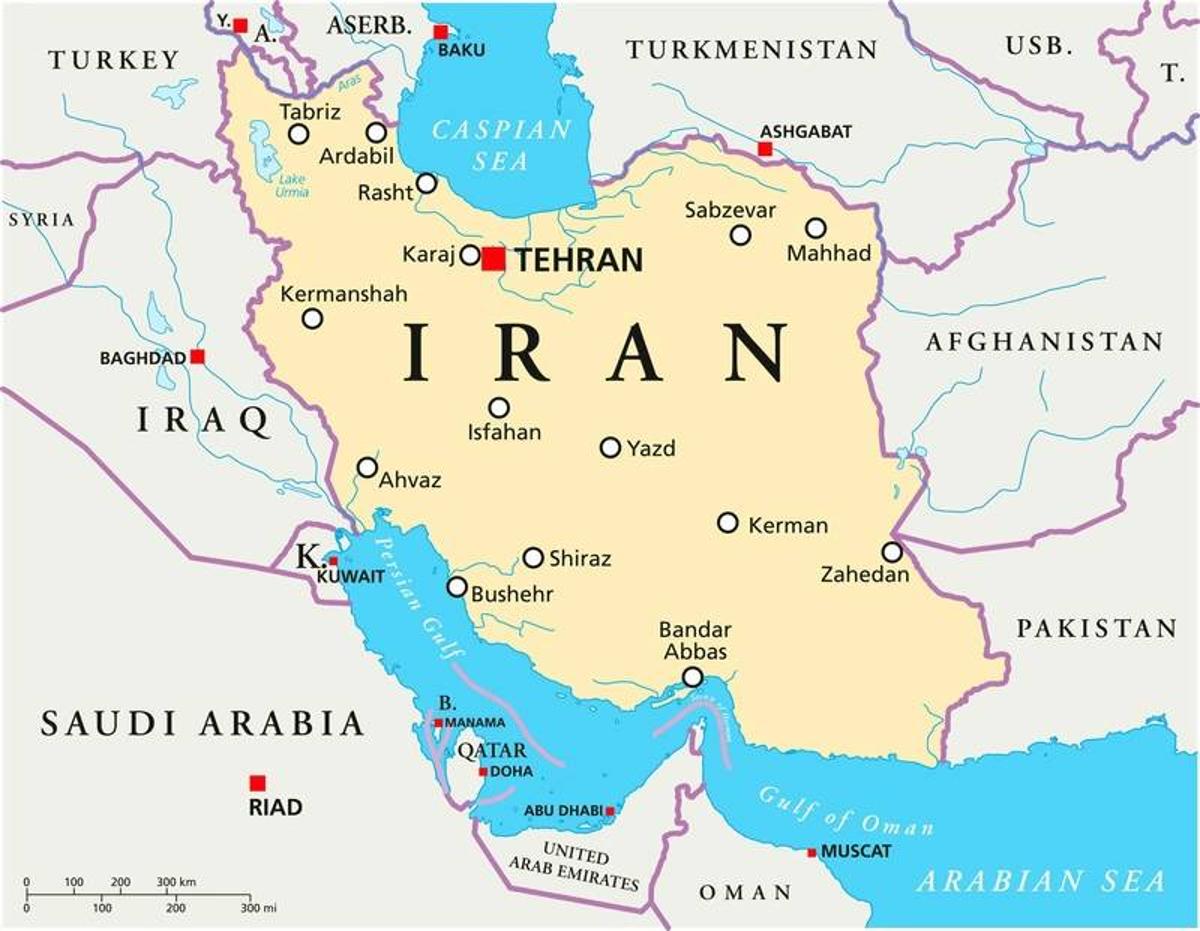
The Strait of Hormuz carries roughly 20 % of global oil and LNG shipments each day, making it a chokepoint that any disruption instantly ripples through energy markets. In recent weeks Iran has revived a low‑cost, high‑speed naval capability: swarms of small boats equipped with machine guns, rockets and occasionally anti‑ship missiles. By boarding two container vessels near the strait, Tehran demonstrated that even after the U.S. claimed to have crippled its conventional fleet, these craft can still execute coordinated seizures. The tactic fits a broader “layered” approach that mixes shore‑based missiles, drones, mines and electronic interference to complicate maritime decision‑making.
Washington’s official line is blunt: any fast‑attack vessel that approaches a U.S.-enforced blockade will be “immediately eliminated” with the same kill‑chain used against drug‑running skiffs in the Caribbean. While that threat is credible against unarmed civilian ships, the boats are vulnerable to air power and guided‑missile strikes, especially in calm conditions. Experts note that high winds and swells common in summer can hamper the boats’ ability to fire accurately, and a direct clash with a warship would likely result in heavy casualties for the Iranian crews. Nonetheless, their speed and low radar profile make detection and interdiction more challenging than with larger warships.
For commercial operators the resurgence of fast‑boat raids translates into operational uncertainty and higher insurance premiums. Underwriters are already adjusting rates to reflect the added risk of boarding actions and the potential for cargo loss or delay. Moreover, the tactic signals that Iran can continue to exert pressure on the strait without needing a blue‑water navy, forcing the U.S. and its allies to allocate additional surveillance assets and consider new rules of engagement. The episode underscores how asymmetric maritime warfare can reshape security calculations for one of the world’s most vital trade arteries.
Iranian Swarms of Fast Boats Used to Seize Container Ships Add to Shipping Threats
Comments
Want to join the conversation?
Loading comments...