Iraq Reopens Rabia Border Crossing with Syria to Support Fuel Exports
Why It Matters
Reactivating the Rabia route secures a critical export channel for Iraq’s fuel oil, mitigating geopolitical shipping risks and sustaining regional energy supply. It also signals a shift toward diversified logistics amid heightened Middle‑East tensions.
Key Takeaways
- •Rabia crossing reopens after 10+ years, enabling overland fuel oil exports
- •Iraq plans to ship 650,000 metric tons/month via Syria April‑June
- •Overland route offsets Gulf shipping disruptions from Strait of Hormuz closure
- •Trucking capacity strain may pressure Iraq’s border and logistics infrastructure
- •SOMO’s shift to land routes raises export costs but ensures continuity
Pulse Analysis
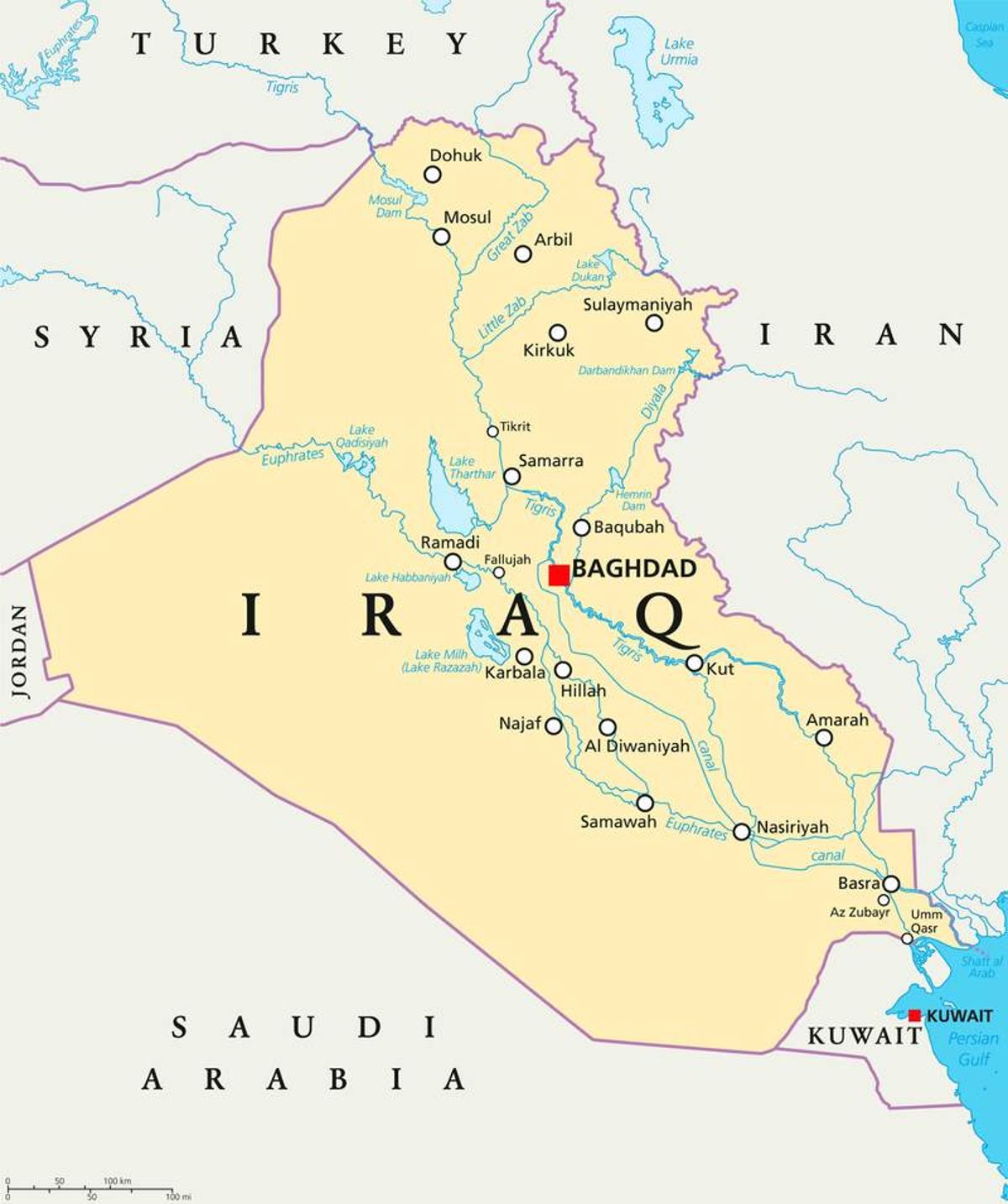
The Rabia border crossing, situated in Iraq’s Nineveh province, has been dormant since the early 2010s when conflict in Syria halted cross‑border trade. Its revival marks the first overland gateway for Iraqi fuel oil in more than ten years, offering a strategic alternative to maritime routes that have been jeopardized by the effective shutdown of the Strait of Hormuz. By reopening this corridor, Iraq can decongest the heavily burdened al‑Waleed crossing and restore a vital commercial artery that supports both fuel and general merchandise flows.
Iraqi state oil marketer SOMO has quickly mobilized to capitalize on the new route, signing contracts to move approximately 650,000 metric tons of fuel oil each month between April and June. While trucking the product through Syria incurs higher per‑barrel costs than Gulf shipping, the overland option guarantees continuity amid geopolitical volatility. The logistics chain, however, faces challenges: Iraq’s trucking fleet and border infrastructure must scale up to handle the surge, and security considerations along the Syrian stretch add operational complexity. Nonetheless, the higher expense is viewed as a necessary trade‑off to keep export revenues flowing.
Regionally, the reopening underscores a broader trend of energy exporters diversifying transport corridors to hedge against maritime chokepoints. For neighboring markets, especially Syria, the influx of fuel oil can alleviate domestic shortages and stabilize prices. In the longer term, sustained use of the Rabia crossing could encourage further infrastructure investment, potentially transforming a wartime bottleneck into a permanent trade conduit. Analysts will watch whether the overland model becomes a lasting component of Iraq’s export strategy or remains a stopgap until Gulf shipping fully recovers.
Iraq Reopens Rabia Border Crossing with Syria to Support Fuel Exports
Comments
Want to join the conversation?
Loading comments...