Iraq to Ship Oil From Syrian Ports to Avoid Strait of Hormuz
Companies Mentioned
Why It Matters
Diversifying export routes shields Iraq’s oil revenues from geopolitical chokepoints, helping stabilize global supply. It also signals a regional shift toward alternative logistics, reshaping shipping markets and power balances in the Middle East.
Key Takeaways
- •Iraq will ship crude via Syria’s Baniyas port starting July.
- •New Syrian facilities enable 900 tanker‑trucks daily, 50,000 bpd crude.
- •Iraq’s pipeline to Syria can move up to 300,000 bpd.
- •Diversification reduces reliance on Strait of Hormuz amid Iranian tensions.
- •Gulf nations invest billions in alternative pipelines and ports.
Pulse Analysis
The disruption of the Strait of Hormuz, long‑standing as the world’s most critical oil chokepoint, has forced producers to rethink logistics. Iraq, the world’s second‑largest OPEC exporter, faced a sudden loss of its primary maritime artery after the US‑Iran conflict escalated. With 3.4 million barrels per day traditionally funneled through Basrah, the country risked supply bottlenecks that could reverberate through global markets. By turning to the Mediterranean, Iraq not only sidesteps immediate security threats but also taps into a less congested, lower‑risk corridor.
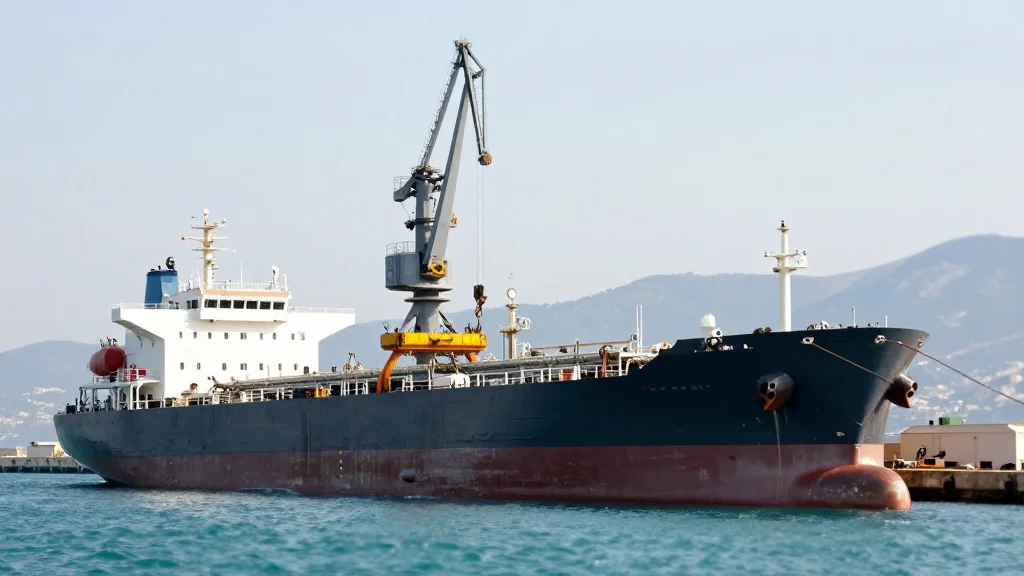
Syria’s Baniyas port is rapidly evolving into a strategic hub. Recent upgrades allow the handling of 900 tanker‑trucks each day, and the port can now load up to 85,000 tonnes onto Aframax vessels, as demonstrated by the recent Asahi Princess shipment. The Iraq‑Syria pipeline, capable of transporting 300,000 barrels per day, offers a near‑continuous flow that could support a suezmax cargo every three days. Early estimates suggest the new route will move roughly 50,000 barrels per day of Iraqi crude, complementing existing fuel‑oil exports that have already reached Europe and Africa. These infrastructure enhancements not only generate transit fees for Syria but also provide Iraq with a flexible export mix.
The broader implication is a regional pivot away from Hormuz dependency. The United Arab Emirates’ multi‑billion‑dollar pipeline and port projects underscore a collective Gulf strategy to mitigate geopolitical risk. As alternative routes mature, shipping rates for traditional Hormuz lanes may soften, while Mediterranean freight markets could see heightened demand. Investors and policymakers will watch closely to gauge how these shifts affect oil price volatility and the strategic calculus of both state and private actors in the energy sector.
Iraq to ship oil from Syrian ports to avoid Strait of Hormuz
Comments
Want to join the conversation?
Loading comments...