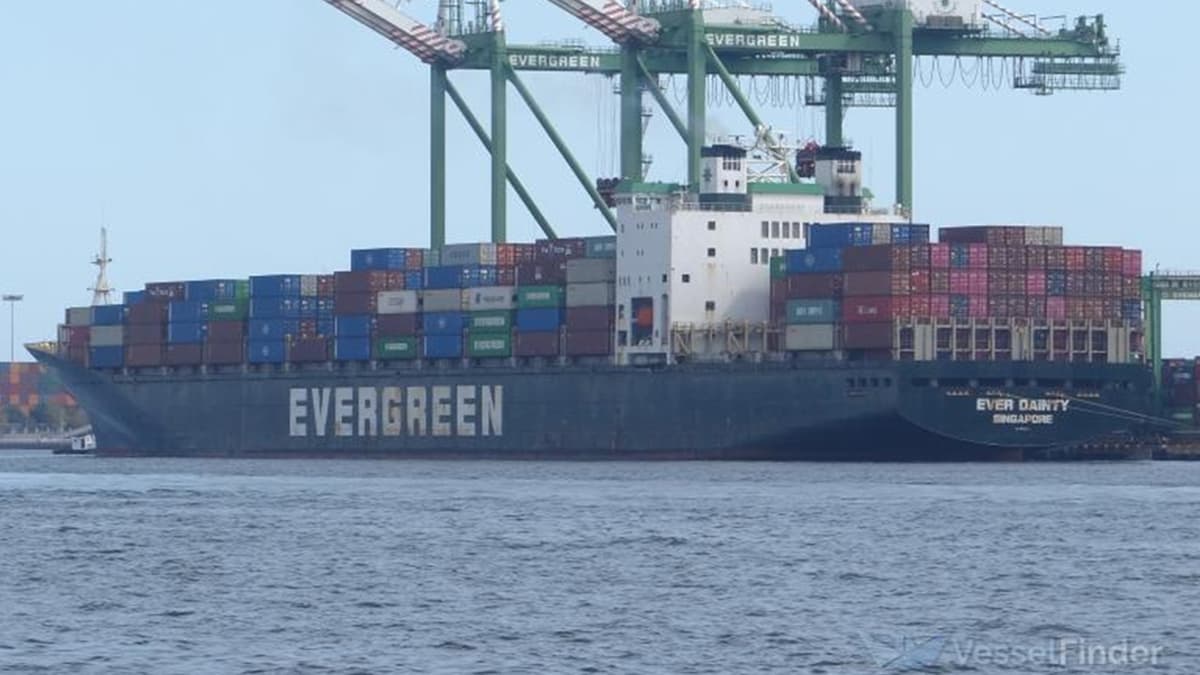
Is This the only Container Ship Trading Through Strait of Hormuz?
Why It Matters
SeaLead’s decision to resume Hormuz transits signals a reassessment of geopolitical risk, potentially influencing carrier routing, insurance pricing, and compliance strategies across the container market. It also highlights the lingering impact of U.S. sanctions on Asian‑registered vessels operating in the Middle East.
Key Takeaways
- •Paya Lebar entered Gulf on April 13, exited April 28
- •SeaLead previously halted Hormuz transits in March advisory
- •US DOJ seeks $2.4 million from SeaLead-linked entities
- •OFAC sanctioned 16 SeaLead-chartered vessels last July
- •TT Club now covers land‑based container war risk in Middle East
Pulse Analysis
The Strait of Hormuz remains one of the world’s most contested maritime chokepoints, funneling roughly 20% of global oil shipments and a significant share of container traffic. Shipping lines routinely weigh the cost of rerouting against heightened insurance premiums and crew safety concerns. In early 2024, SeaLead Shipping issued a customer advisory urging vessels to avoid the strait, citing escalating regional tensions and the risk of U.S. enforcement actions against entities perceived to have Iranian links.
Against that backdrop, the unexpected westbound and eastbound passages of the Paya Lebar in April signal a possible recalibration of SeaLead’s risk tolerance. The vessel’s itinerary—anchoring in India, transiting Hormuz, and calling at UAE and Qatari ports—suggests that the company may have secured additional insurance coverage or received reassurances from insurers such as TT Club, which recently expanded war‑risk cover for containers on land in the Middle East. This move could encourage other operators to test the waters, especially if freight rates remain tight and alternative routes like the Cape of Good Hope prove financially unattractive.
The broader implication for the industry is a nuanced shift from blanket avoidance to selective engagement, driven by evolving sanction enforcement and insurance market responses. While the U.S. Department of Justice’s civil forfeiture claims—targeting $2.4 million linked to SeaLead and a $15.3 million sanctions‑evasion network—underscore lingering legal exposure, they also illustrate the fine line carriers must walk between compliance and commercial necessity. Stakeholders will closely monitor subsequent voyages, insurance policy adjustments, and any further regulatory guidance to gauge whether Hormuz will re‑emerge as a viable corridor for container traffic.
Is this the only container ship trading through Strait of Hormuz?
Comments
Want to join the conversation?
Loading comments...