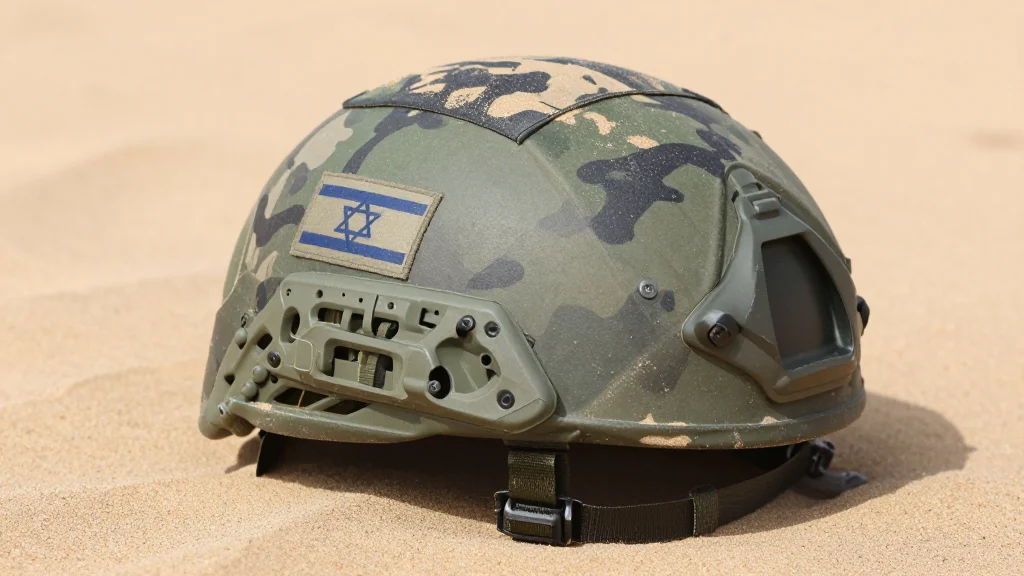
Israel’s Perpetual Mobilization: The Limits of Netanyahu’s ‘Super-Sparta’ Model
Why It Matters
The Super‑Sparta model strains Israel’s human and economic resources, threatening both military effectiveness and political stability ahead of upcoming elections.
Key Takeaways
- •61% of Israelis reject Iran ceasefire; 29% support it.
- •Support for Iran damage drops to 30.5% from 69%.
- •Government legalizes 30+ new West Bank settler outposts.
- •IDF reports 15,000 soldiers missing, deepening manpower crisis.
- •Polls show coalition may fall to ~50 seats, opposition near majority.
Pulse Analysis
The Netanyahu administration’s “Super‑Sparta” vision seeks to institutionalize perpetual readiness, turning Israel into a nation‑wide war machine. While the public remains committed to confronting Iran and Hezbollah, recent INSS polling reveals a stark disconnect: a majority now opposes a ceasefire and doubts the war’s efficacy. This paradox fuels domestic criticism, especially in northern towns vulnerable to Hezbollah fire, and raises questions about the sustainability of a policy that relies on endless mobilization.
Strategically, Israel faces a multi‑front quagmire. Iran’s regime shows unexpected resilience despite sustained strikes, and the fate of its 460 kg of enriched uranium remains unresolved, likely reverting to a JCPOA‑style framework. In Lebanon, low‑key negotiations have done little to curb Hezbollah’s influence, while the government’s approval of more than 30 West Bank outposts accelerates de‑facto annexation, intensifying regional tensions. Gaza’s security vacuum persists, with Hamas unwilling to disarm, setting the stage for renewed large‑scale conflict.
Politically, the perpetual‑war approach is eroding the coalition’s electoral base. Recent Haaretz/Channel 12 and Maariv polls project the governing bloc slipping to roughly 50 Knesset seats, while the opposition, bolstered by Arab parties, edges toward a majority. Coupled with a severe manpower deficit—15,000 soldiers reported missing—the Super‑Sparta model risks overextending Israel’s military and economic capacities, potentially reshaping the nation’s strategic calculus before the next election cycle.
Israel’s perpetual mobilization: The limits of Netanyahu’s ‘Super-Sparta’ model
Comments
Want to join the conversation?
Loading comments...