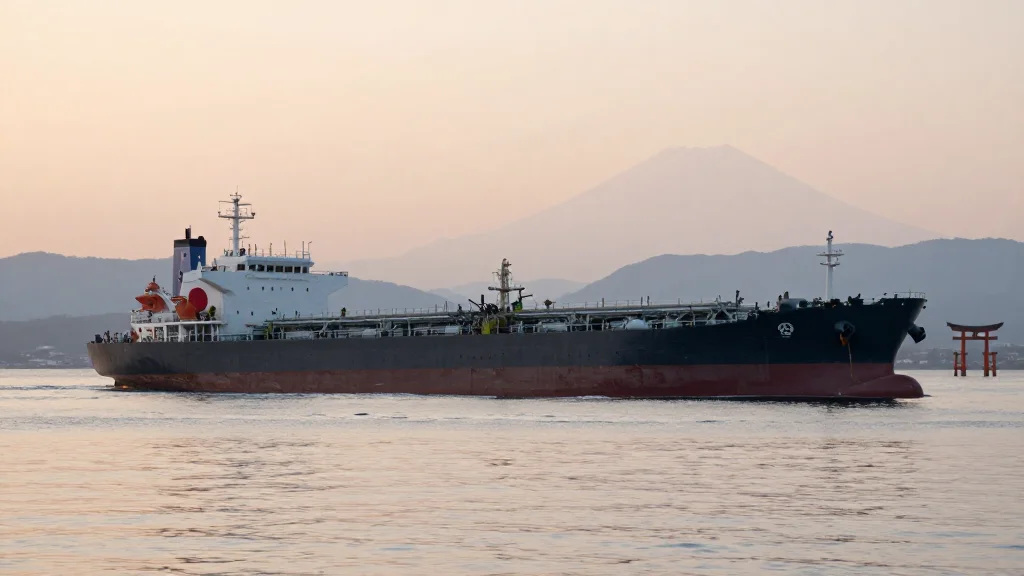
Japan to Receive Russian Crude as Hormuz Disruption Spikes Oil Logistics

Why It Matters
The diversion of oil shipments from the Strait of Hormuz to alternative routes directly impacts global supply‑chain resilience. For Japan, a nation heavily dependent on imported energy, securing Russian crude offers a short‑term buffer against price volatility and supply interruptions, but it also raises geopolitical and regulatory complexities given existing sanctions regimes. On a broader scale, the shift illustrates how geopolitical tensions can rapidly reconfigure trade flows, inflating freight costs, extending delivery times, and prompting a reassessment of energy security strategies worldwide. Companies across sectors—from automotive manufacturers to electronics assemblers—must account for these logistics shocks in their cost structures and inventory planning.
Key Takeaways
- •A Russian oil tanker is scheduled to dock in Japan tomorrow, marking the first post‑Hormuz Russian crude import.
- •Strait of Hormuz disruptions have pushed global oil prices above $120 per barrel.
- •Typical super‑tanker capacity of 2‑2.5 million barrels could cover 10‑12% of Japan’s monthly oil demand.
- •Shipping routes are being re‑optimized, increasing transit times and freight rates on Asia‑Europe lanes.
- •Japan may seek additional Russian contracts if the initial shipment proves reliable.
Pulse Analysis
Japan’s pivot to Russian crude is emblematic of a supply‑chain landscape where geopolitical risk outweighs traditional cost considerations. Historically, Tokyo’s energy policy has emphasized diversification away from any single source, but the Hormuz blockage has forced a rapid recalibration. By tapping Russian oil, Japan not only hedges against immediate shortages but also tests the market’s tolerance for sanctioned supplies, a gamble that could reshape its future procurement strategy.
The broader market reaction underscores a classic supply‑chain principle: when a chokepoint falters, alternative pathways surge in value. Shipping firms are already adjusting vessel allocations, and freight indices reflect a premium for routes that skirt the Persian Gulf. This reallocation may persist beyond the immediate crisis, embedding higher logistics costs into the cost base of downstream industries. Companies that can absorb these premiums or secure longer‑term contracts will gain a competitive edge, while those reliant on just‑in‑time inventory models may face heightened exposure.
Looking forward, the durability of this shift hinges on two variables: the duration of Hormuz disruptions and the geopolitical acceptability of Russian oil in Asian markets. If the strait reopens within months, Japan is likely to revert to its pre‑crisis sourcing mix, relegating Russian shipments to a supplemental role. Conversely, a protracted closure could accelerate a more permanent re‑orientation toward Eurasian suppliers, prompting a re‑examination of regional energy alliances and potentially spurring investment in domestic alternative energy sources to mitigate future supply shocks.
Japan to receive Russian crude as Hormuz disruption spikes oil logistics
Comments
Want to join the conversation?
Loading comments...