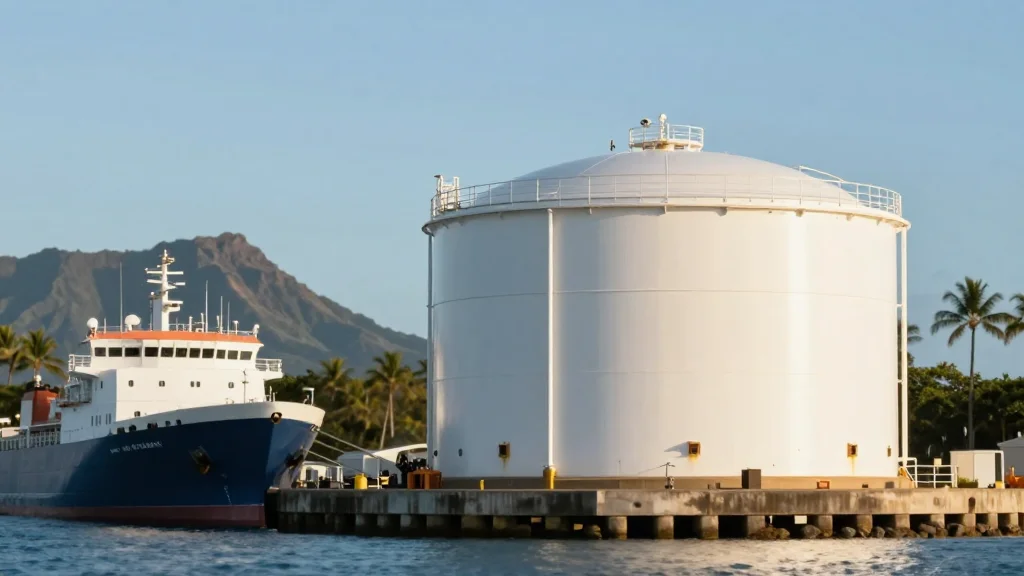
Japan's Jera Proposes Hawaiian LNG Import Project
Companies Mentioned
Why It Matters
The terminal would diversify Hawaii’s energy mix, potentially lowering power costs while providing a transitional fuel as the state pursues net‑zero targets. It also positions Jera as a strategic player in the U.S. Pacific energy market, influencing regional supply dynamics.
Key Takeaways
- •Jera seeks regulatory approval for Hawaii LNG import terminal
- •Project targets lower electricity prices and emission reductions
- •LNG positioned as bridge fuel in Hawaii’s renewable transition
- •Potential to make Hawaii a Pacific LNG hub
Pulse Analysis
Jera’s move to establish an LNG import facility in Hawaii reflects a broader shift among Asian energy firms seeking footholds in the U.S. Pacific market. While Japan has long depended on imported natural gas, the company sees Hawaii’s isolated grid and chronic power price volatility as an opportunity to supply a reliable, lower‑cost fuel. The proposed terminal would receive cargoes from global LNG producers, store them offshore, and regasify the gas for local utilities, creating a new supply chain that could also serve neighboring islands and Pacific territories.
For Hawaiian policymakers, the project offers a pragmatic bridge between the state’s ambitious renewable‑energy goals and the reality of current generation constraints. By diversifying away from diesel and heavy‑oil generators, LNG can cut carbon emissions by roughly 30 percent per megawatt‑hour, easing the path toward the 2045 net‑zero target. However, environmental groups remain skeptical, arguing that investing in new fossil‑fuel infrastructure may lock in emissions for decades. The regulatory process will therefore weigh short‑term economic relief against long‑term climate commitments.
If approved, Jera’s terminal could reshape regional energy dynamics, positioning Hawaii as a strategic LNG hub for the Pacific Rim. The project would generate construction jobs, stimulate local supply chains, and potentially lower electricity rates for consumers. Moreover, it signals to other Asian utilities that the United States offers viable entry points for LNG distribution, potentially accelerating investment in similar projects across the West Coast. The outcome will be a litmus test for how effectively bridge‑fuel solutions can coexist with aggressive decarbonization agendas.
Japan's Jera Proposes Hawaiian LNG Import Project
Comments
Want to join the conversation?
Loading comments...