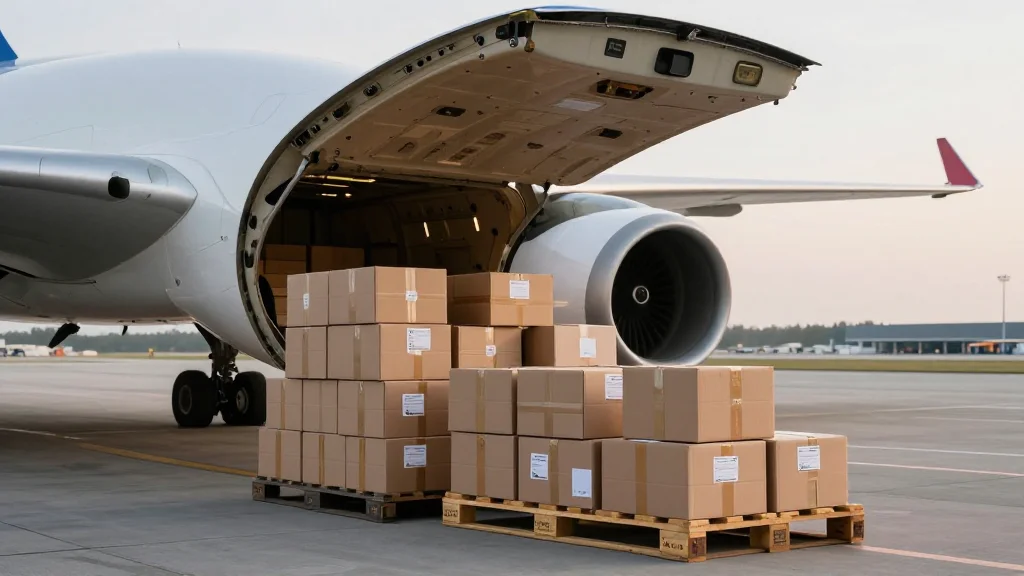
Liège Airport Handles Over 4 Million Daily Chinese Parcels, Customs Team Stretched to 80

Why It Matters
The overload at Liège Airport is a bellwether for the European supply chain, signaling that existing customs infrastructure is ill‑prepared for the scale of low‑value, high‑volume shipments driven by e‑commerce. Prolonged delays could erode consumer confidence in cross‑border purchases and force retailers to absorb higher shipping costs or inventory risks. Moreover, the situation raises regulatory questions about how to balance safety standards with the need for faster clearance in a digital trade era. Addressing the capacity gap will require coordinated action across government, industry, and technology providers. Enhancements such as AI‑powered risk profiling, expanded staffing, and dedicated e‑commerce lanes could alleviate pressure, but they also demand significant investment and policy alignment.
Key Takeaways
- •Liège Airport receives >4 million small parcels from China daily.
- •Customs inspection team at the airport consists of only 80 members.
- •Many parcels fail to meet EU standards, increasing inspection workload.
- •Delays risk disrupting European e‑commerce fulfillment and consumer expectations.
- •Belgian officials are exploring staffing boosts and automation to ease the bottleneck.
Pulse Analysis
The Liège Airport overload is not an isolated incident; it reflects a structural shift in global trade where tiny, high‑frequency shipments dominate. Historically, customs agencies were designed for bulk cargo, where fewer inspections could be performed per container. The current wave of sub‑2‑kg parcels forces a rethink of inspection models, pushing agencies toward risk‑based screening and digital pre‑clearance.
From a competitive standpoint, airports that can quickly adapt—by integrating AI‑driven scanning, expanding inspector pools, or creating dedicated e‑commerce terminals—will capture a larger share of the growing Chinese‑to‑EU parcel flow. Liège’s strategic location gives it an advantage, but without rapid upgrades it risks losing business to rivals such as Frankfurt or Amsterdam, which are already piloting automated customs solutions.
Looking ahead, the pressure on customs could accelerate policy reforms at the EU level, potentially harmonizing standards for low‑value goods and introducing a unified digital customs platform. Such changes would benefit both shippers and regulators by reducing redundancy and speeding clearance. Until then, retailers should consider diversifying entry points and building buffer stock in Europe to hedge against unpredictable customs delays.
Liège Airport Handles Over 4 Million Daily Chinese Parcels, Customs Team Stretched to 80
Comments
Want to join the conversation?
Loading comments...