Logistics Layoffs Top 800 as Contracts Unwind Across Trucking, Warehousing
Why It Matters
The cuts signal persistent volatility in contract logistics, forcing shippers to rethink outsourcing and pressuring capacity‑sensitive freight rates. Companies that can adapt to shifting contract dynamics will shape the next phase of supply‑chain resilience.
Key Takeaways
- •829 jobs cut across U.S. logistics in three weeks
- •Contract churn drives warehouse layoffs at Saddle Creek and Ryder
- •Trucking firms cut drivers after lost contracts, e.g., Day & Ross
- •Fuel hauler Sentinel trims 126 staff across California terminals
- •Last‑mile provider Pave It Forward shuts down, laying off 100 workers
Pulse Analysis
The recent spate of layoffs across warehousing, trucking and last‑mile delivery reflects a deeper shift in how shippers manage logistics contracts. As major customers bring distribution functions back in‑house or let agreements lapse, third‑party providers are forced to downsize facilities and staff. This contract churn has accelerated in the past month, with 829 positions eliminated, highlighting that the post‑pandemic freight boom has given way to a more disciplined, cost‑focused approach among manufacturers and retailers.
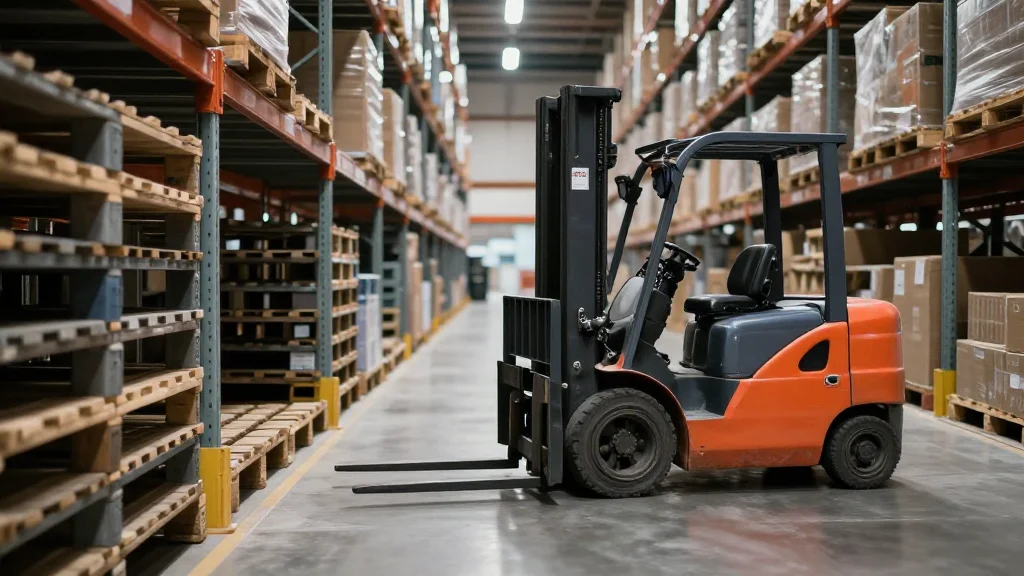
Each logistics segment feels the pressure differently. Warehouse operators such as Saddle Creek Logistics Services and Ryder System are trimming hundreds of forklift and warehouse roles after losing key contracts, while trucking firms like Day & Ross USA are shedding drivers and dockworkers tied to lost dedicated‑carriage work. Fuel hauler Sentinel Transportation, a Phillips 66 subsidiary, is cutting 126 employees across California terminals, indicating that even energy‑linked freight is not immune to the slowdown. Meanwhile, the abrupt shutdown of Pave It Forward Logistics underscores the fragility of last‑mile providers that rely heavily on short‑term contracts.
For the broader freight market, these cuts signal a potential tightening of available capacity that could translate into higher spot rates in tight lanes, even as overall volumes remain subdued. Shippers may gain bargaining power in renegotiating terms, but the loss of experienced labor could erode service quality and increase operational risk. Companies that invest in flexible, technology‑driven solutions and maintain diversified contract portfolios are better positioned to weather the ongoing volatility and emerge stronger when demand rebounds.
Logistics layoffs top 800 as contracts unwind across trucking, warehousing
Comments
Want to join the conversation?
Loading comments...