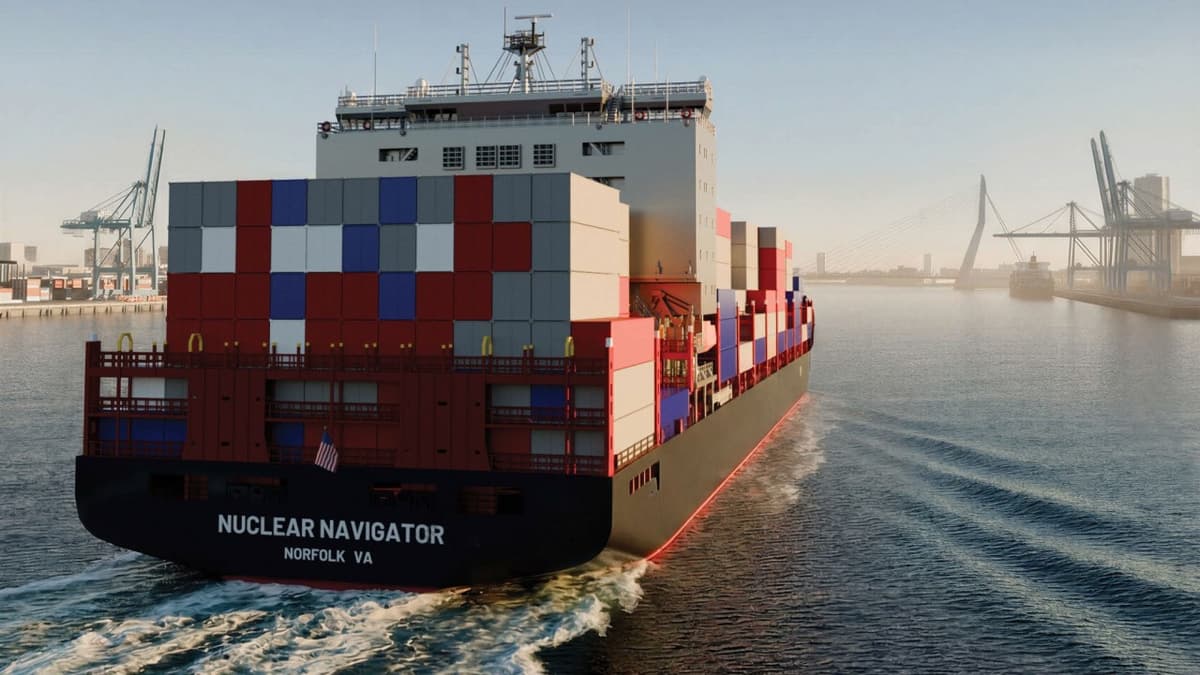
LR and Maersk Assess Rotterdam Nuclear Ship Call Feasibility
Companies Mentioned
Why It Matters
Clarifying the regulatory and safety framework is critical for nuclear propulsion to become a viable low‑carbon option, influencing the maritime industry's decarbonisation trajectory and EU port competitiveness.
Key Takeaways
- •Study maps regulatory gaps for nuclear ships in EU ports
- •Near‑term roadmap calls for design risk assessments and guidance publishing
- •Public‑engagement strategies are essential to gain port‑city acceptance
- •Mutual licence recognition needed before first commercial nuclear vessel berths
Pulse Analysis
The maritime sector is under pressure to slash emissions, and nuclear propulsion has resurfaced as a potential zero‑carbon alternative for large feeder vessels. The collaborative report from Lloyd’s Register, Core Power, Maersk and the Port of Rotterdam offers the first systematic assessment of how a high‑level nuclear ship could dock in a European port. By framing nuclear ships within existing high‑risk maritime safety themes, the study demonstrates that technical incompatibilities are minimal; the real work lies in aligning regulations, insurance and liability regimes across jurisdictions.
Key findings highlight a fragmented regulatory landscape, limited integration between maritime and nuclear safety bodies, and a lack of clear guidance for ports on licensing and emergency response. The proposed roadmap splits actions into three horizons. Near‑term tasks focus on completing ship design risk assessments, publishing safety guidance, and initiating public‑communication plans. Medium‑term steps call for detailed liability frameworks, training programmes for port crews, and the development of national implementation standards. Long‑term objectives aim at harmonising licences and refining policies as nuclear ship technology matures. Early public‑engagement is emphasized to build trust, a prerequisite for any future port call.
If EU ports can resolve these barriers, nuclear‑powered vessels could join the portfolio of low‑emission fuels, offering consistent energy output without the volatility of hydrogen or ammonia supply chains. The study’s roadmap provides a template for regulators, insurers and shipowners to coordinate, potentially accelerating the commercial rollout of nuclear propulsion and reshaping the competitive dynamics of European maritime hubs.
LR and Maersk assess Rotterdam nuclear ship call feasibility
Comments
Want to join the conversation?
Loading comments...