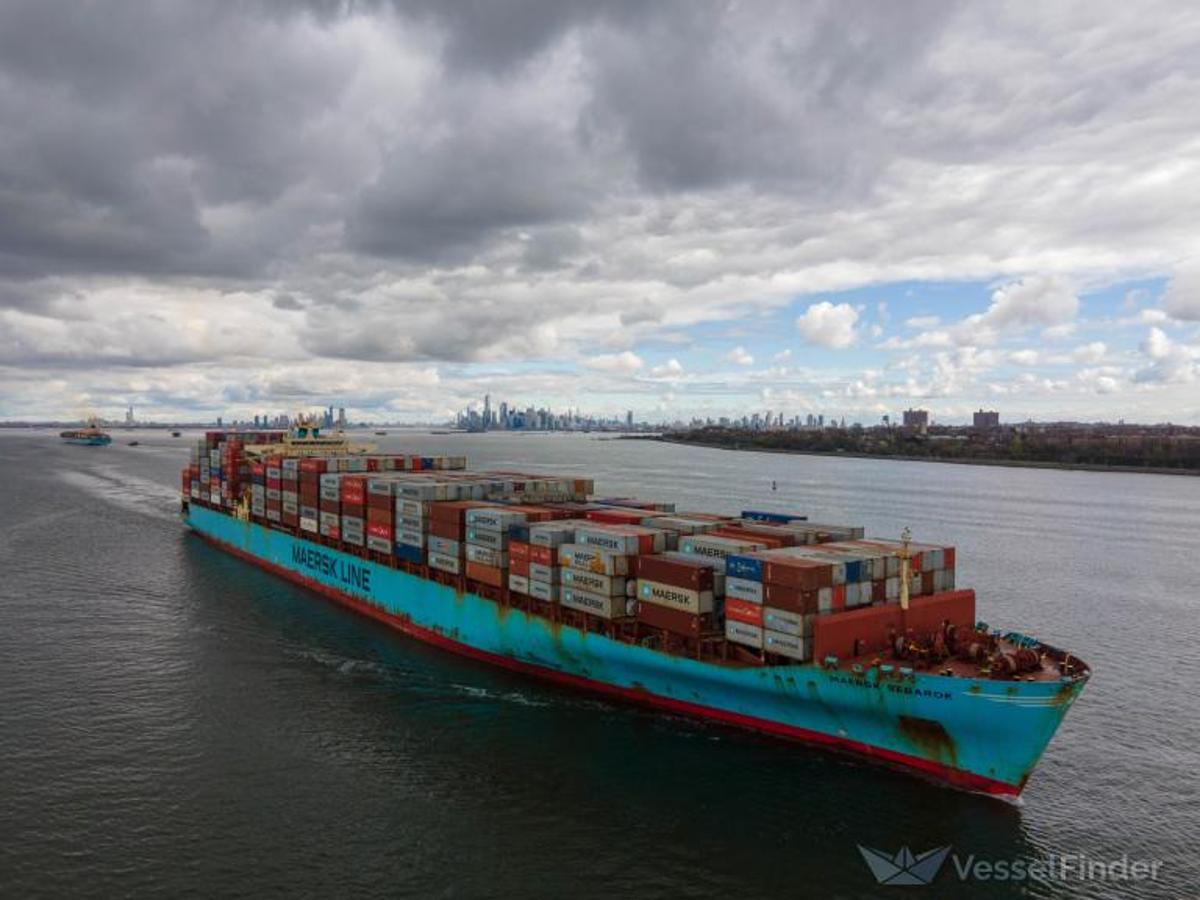
Maersk Announces Operational Adjustments to Tango Service
Key Takeaways
- •Jacksonville call shifts to Blount Island Terminal effective June 2
- •Montevideo now precedes Buenos Aires in the River Plate rotation
- •Norfolk port removed; cargo redirected through Cartagena
- •Rotations redesigned to improve schedule reliability
- •Operational tweaks target lower dwell times and better cargo flow
Pulse Analysis
Maersk’s recent operational tweaks to its Tango service reflect a broader industry trend toward granular network optimization. Shipping lines are increasingly fine‑tuning terminal selections and port sequences to shave hours off transit times, a move that directly benefits supply‑chain planners seeking tighter inventory buffers. By relocating the Jacksonville call to Blount Island Terminal, Maersk leverages a facility known for faster gate processing and deeper berth capacity, which can reduce vessel turnaround and improve on‑time performance metrics that carriers publicly report.
The reordering of the Montevideo‑Buenos Aires rotation addresses a long‑standing bottleneck in the River Plate corridor. Historically, vessels have faced unpredictable weather and congestion when calling Buenos Aires first, leading to schedule slippage that ripples through downstream logistics. Placing Montevideo earlier not only aligns with prevailing wind patterns but also allows cargo destined for the Argentine market to be consolidated more efficiently, enhancing load factors and reducing empty backhaul legs. This strategic sequencing underscores Maersd’s commitment to data‑driven route planning, a capability increasingly powered by AI and real‑time port analytics.
Eliminating Norfolk from the Tango rotation might appear as a service reduction, yet Maersk mitigates impact by routing affected shipments through Cartagena, a hub with robust intermodal connections to the U.S. East Coast. This substitution preserves market coverage while concentrating volumes on higher‑throughput ports, ultimately supporting lower per‑container costs. For importers and exporters, the continuity of service—despite terminal shifts—reinforces confidence in Maersk’s reliability, a key differentiator in a market where on‑time delivery can dictate competitive advantage. Overall, these adjustments illustrate how major carriers balance operational efficiency with customer service obligations in a volatile global trade environment.
Maersk announces operational adjustments to Tango service
Comments
Want to join the conversation?