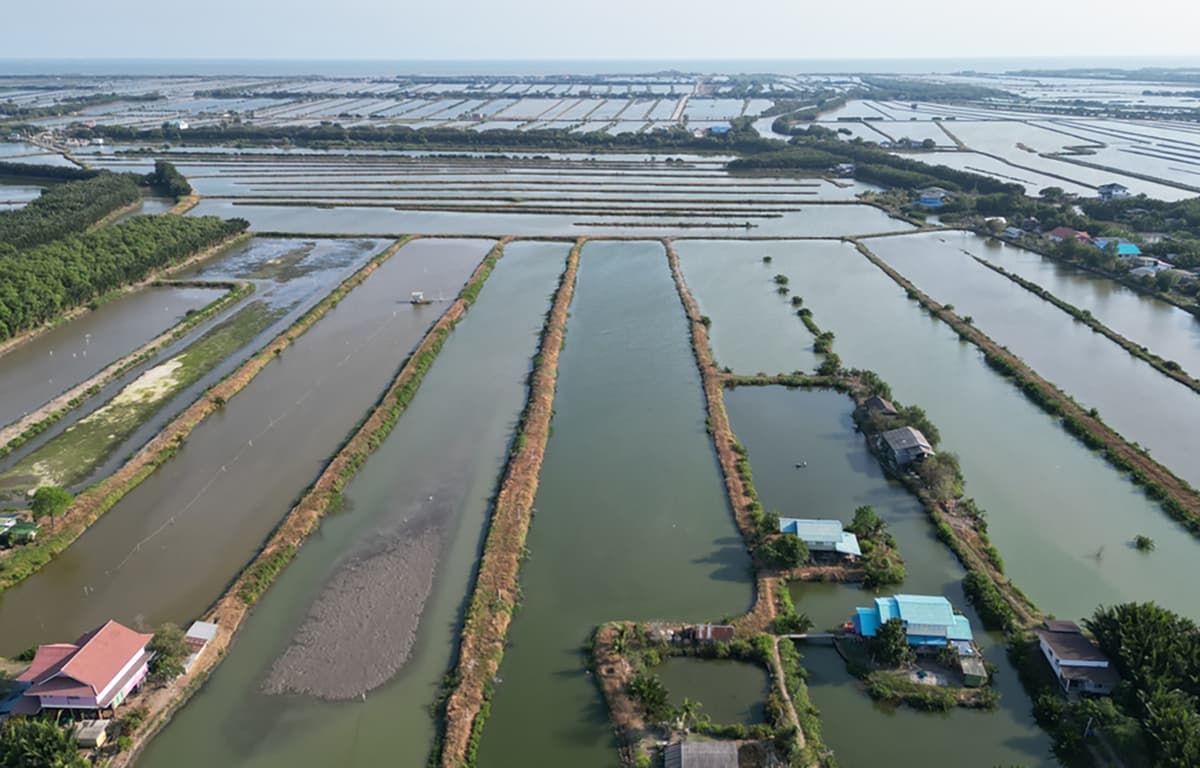
Malaysia to Suspend Five Thai Shrimp Species, Restrict Sea Bass Imports over Reciprocal Trade Dispute
Why It Matters
The ban threatens Thailand’s shrimp revenues and could depress regional shrimp prices, while the sea‑bass testing adds cost and delay for Thai exporters. It underscores how reciprocal food‑safety measures can quickly become trade‑policy tools in Southeast Asia’s seafood market.
Key Takeaways
- •Malaysia halts five Thai shrimp species imports effective June 1
- •Thai sea bass shipments require a Certificate of Analysis per lot
- •Suspension retaliates against Thailand's own restrictions on Malaysian shrimp
- •Thai shrimp exporters risk price fall from domestic glut
- •Thailand ships 6,000‑8,000 MT shrimp to Malaysia, ~5% of exports
Pulse Analysis
The latest Malaysian import ban highlights the fragility of Southeast Asia’s tightly‑woven seafood supply chain. Malaysia, a key gateway for Thai aquaculture products, leveraged food‑safety standards as a bargaining chip after Bangkok imposed its own restrictions on Malaysian shrimp. By suspending five shrimp species and demanding a Certificate of Analysis for sea‑bass, Kuala Lumpur is signaling that compliance costs can be weaponized in trade disputes, forcing exporters to navigate additional regulatory layers.
For Thai shrimp farmers, the immediate impact is a looming surplus that could push farm‑gate prices lower. With up to 8,000 metric tons of shrimp traditionally flowing to Malaysia each year, the sudden market loss may erode margins for coastal producers, especially in the south where logistics are most efficient. Exporters are scrambling to redirect cargo to alternative destinations such as Vietnam, the EU, or the United States, but shifting freight routes and meeting new certification requirements will raise operational expenses and extend lead times, potentially affecting product freshness.
Regionally, the dispute may prompt broader reconsideration of trade‑policy coordination among ASEAN seafood exporters. Governments could seek harmonized safety protocols to reduce the risk of retaliatory bans, while industry groups may push for joint testing facilities to lower costs. In the medium term, the episode serves as a cautionary tale: reliance on a single market amplifies vulnerability, and diversified export strategies will become essential for maintaining resilience in the global seafood trade.
Malaysia to suspend five Thai shrimp species, restrict sea bass imports over reciprocal trade dispute
Comments
Want to join the conversation?
Loading comments...