Manufacturing Advance at NIST Uses Laser “Whisking” Method to Blend Metal Alloys
Why It Matters
The breakthrough expands the range of alloys printable on existing machines, unlocking high‑performance components for aerospace, energy and defense while reducing material inventory costs.
Key Takeaways
- •Laser “whisking” loops stir molten metal during powder‑bed fusion
- •Enables atomic‑level mixing of high‑entropy alloys like RHEA‑19
- •Requires only software changes, no new hardware for existing printers
- •Could cut alloy inventory costs and allow graded material properties
Pulse Analysis
High‑entropy alloys (HEAs) have long promised superior strength and heat resistance, but their near‑equal composition makes them prone to segregation during conventional casting. Additive manufacturing offers a pathway to fabricate complex geometries, yet standard laser powder‑bed fusion often fails to achieve the uniform mixing required for HEAs. NIST’s laser‑whisking concept tackles this gap by re‑routing the laser into looping trajectories that continuously agitate the melt pool, effectively homogenizing the alloy at the atomic scale.
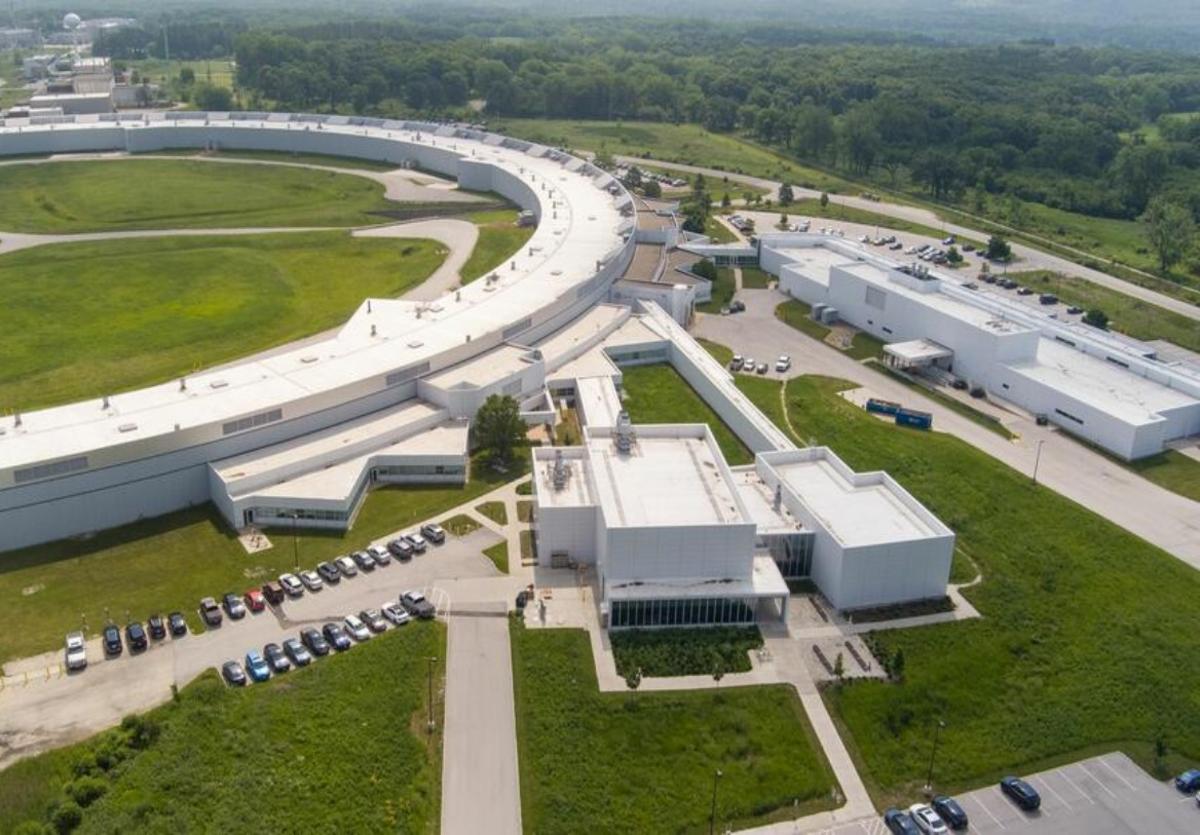
The research team built a custom control stack that overrides commercial printer software, enabling the looping patterns without any additional hardware. In a proof‑of‑concept experiment, they combined a refractory HEA known as RHEA‑19 with a lightweight titanium alloy—two metals that typically separate as they solidify. Using the Advanced Photon Source’s high‑intensity X‑rays, complemented by electron microscopy, they confirmed a seamless intermixing of the constituent elements. This validation demonstrates that the whisking method can overcome the thermodynamic barriers that have limited HEA production.
If adopted broadly, the technique could transform metal additive manufacturing economics. Manufacturers would need fewer base powders, lowering inventory and logistics costs while gaining the flexibility to print parts with spatially varying material properties, eliminating post‑process welding. Aerospace and nuclear sectors, which demand materials that retain strength at extreme temperatures, stand to benefit most. As software updates roll out, existing printer fleets could be retrofitted, accelerating the transition from experimental labs to commercial production lines.
Manufacturing advance at NIST uses laser “whisking” method to blend metal alloys
Comments
Want to join the conversation?
Loading comments...