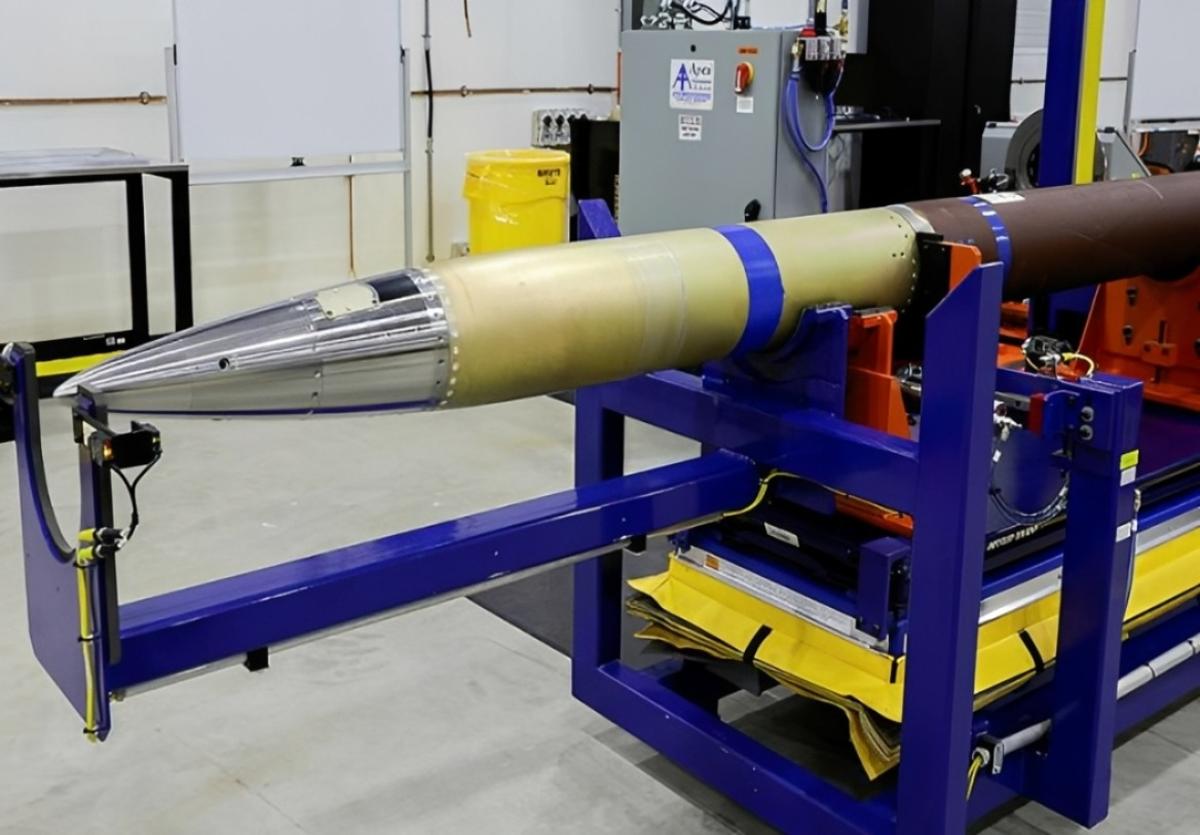
Manufacturing Begins on Guided Missiles in Australia, Defence Says
•March 5, 2026
0
Why It Matters
Domestic missile production reduces reliance on foreign supply chains and strengthens Australia’s strategic deterrence. It also creates a high‑tech industrial base and export potential.
Key Takeaways
- •Production starts at Port Wakefield facility.
- •First batch due mid‑March 2026.
- •Goal: 4,000 missiles per year by 2029.
- •First non‑US GMLRS plant, boosting sovereign capability.
- •Plans to localise parts and develop Precision Strike Missile.
Pulse Analysis
Australia’s decision to manufacture Guided Multiple Launch Rocket Systems locally signals a strategic shift toward self‑reliance in defence. By establishing the Port Wakefield plant, the nation not only shortens acquisition timelines but also embeds critical technology within its borders. This move aligns with broader geopolitical trends where allies are diversifying supply chains to mitigate risks from global disruptions, ensuring that operational readiness is not compromised by external constraints.
The production roadmap is ambitious: after certifying processes and training staff, the facility aims to deliver up to 4,000 missiles annually by 2029. Scaling to that volume will require a gradual transition from U.S.-sourced components to fully Australian‑made parts, fostering a domestic supplier ecosystem. Such localisation promises job creation in high‑skill manufacturing and positions Australia as a potential exporter of precision‑guided munitions to regional partners seeking similar sovereign capabilities.
Beyond the GMLRS, the programme foreshadows the development of the Precision Strike Missile, a system capable of striking targets beyond 1,000 kilometres. Integrating this longer‑range capability into the national deterrence posture enhances Australia’s strategic depth and aligns with the Defence Strategic Review’s emphasis on long‑range strike assets. The $21 billion investment across five major initiatives underscores a long‑term commitment to building a resilient, technologically advanced defence industrial base that can adapt to evolving security challenges.
Manufacturing begins on guided missiles in Australia, Defence says
0
Comments
Want to join the conversation?
Loading comments...