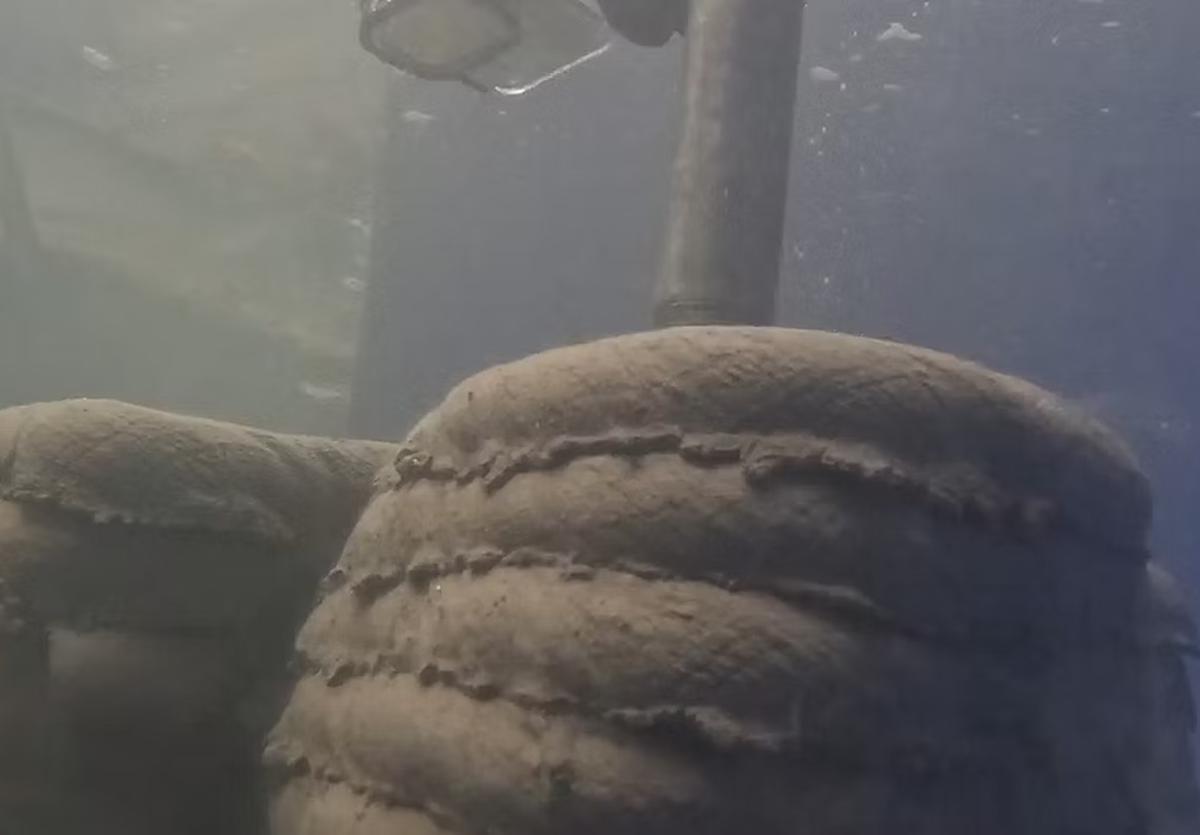
Manufacturing Breakthrough Dives Deep with Australia’s First Underwater 3D Printing System
Why It Matters
The breakthrough transforms marine construction from a logistics‑heavy, chemically dependent process to a digital, on‑demand fabrication model, cutting costs, timelines and environmental impact. It opens new avenues for rapid repair and deployment of critical maritime infrastructure, a strategic advantage for defence and energy sectors.
Key Takeaways
- •First submerged 3D concrete printer launched in Australia
- •Accelerator‑free concrete stays stable underwater, eliminating chemical additives
- •System integrates material rheology, robotics, and deployment architecture
- •Enables on‑site, digital fabrication for ports, defence, offshore energy
- •Reduces logistics, emissions, and reliance on prefabricated marine components
Pulse Analysis
The LUYTEN 3D‑UOW collaboration marks a pivotal shift in additive manufacturing by solving three long‑standing underwater challenges: hydrostatic pressure, material washout, and robotic stability. Their accelerator‑free concrete mix maintains viscosity and set‑time without chemical additives, while a purpose‑built robotic arm delivers precise extrusion under water. This integration of material science and control engineering creates a cohesive platform that can build structural elements directly on the seabed, a capability previously limited to surface‑based prefabrication or labor‑intensive cofferdam methods.
For the marine construction industry, the implications are immediate and far‑reaching. By eliminating the need for staged formwork, transport of large prefabricated modules, and chemical setting agents, project timelines can shrink dramatically, especially for repair work on ports, offshore wind foundations, and naval vessels. The on‑site digital fabrication model also reduces supply‑chain complexity, cutting transportation emissions and lowering overall project costs. Defence stakeholders are particularly interested, as rapid, in‑situ construction can enhance operational readiness and reduce downtime for critical infrastructure.
Beyond traditional maritime applications, the technology’s modular, self‑contained nature positions it for use in other extreme environments. Remote disaster zones, Arctic research stations, and even future extraterrestrial habitats could benefit from a system that prints durable concrete without extensive support infrastructure. As commercial pilots commence, investors and regulators will watch closely, anticipating a new market segment that blends robotics, advanced materials, and sustainable construction practices. The convergence of these trends suggests a robust growth trajectory for underwater additive manufacturing over the next decade.
Manufacturing breakthrough dives deep with Australia’s first underwater 3D printing system
Comments
Want to join the conversation?
Loading comments...