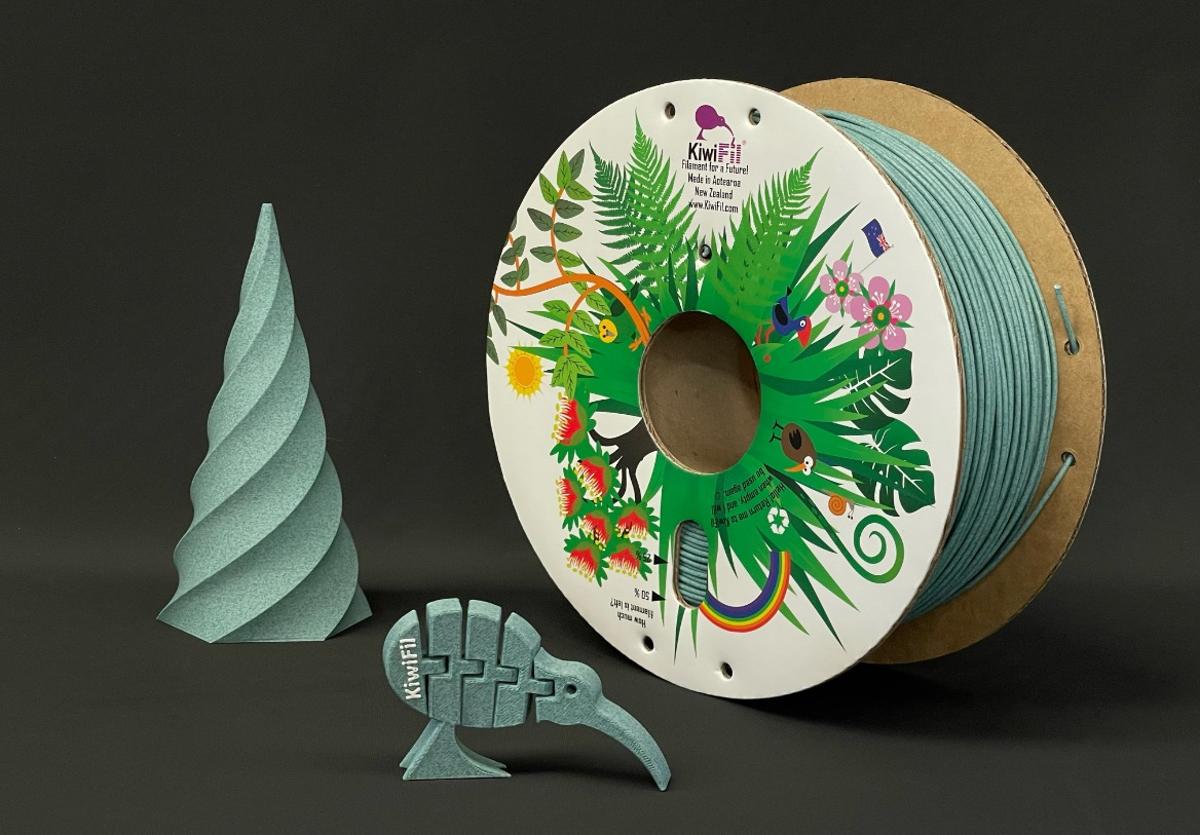
Manufacturing Breakthrough: Wool-Based 3D Printing Filament Launches in New Zealand
Companies Mentioned
Why It Matters
WoolyFil provides a renewable alternative to petrochemical pigments, helping 3D‑printing manufacturers reduce carbon footprints while tapping a new market for wool growers. Its commercial viability signals broader acceptance of biobased materials in additive manufacturing.
Key Takeaways
- •WoolyFil uses wool-derived pigments, replacing synthetic colorants.
- •Filament offers two colors, Green Marble and Riverstone, with more planned.
- •Pigments contain 92‑98% biobased carbon, boosting renewable content.
- •Collaboration links Wool Source’s research arm with KiwiFil’s PLA expertise.
- •Product targets everyday 3D printers, expanding sustainable material options.
Pulse Analysis
The launch of WoolyFil arrives at a time when the additive‑manufacturing sector is under pressure to decarbonise its supply chain. Traditional colourants are often derived from petroleum, contributing to greenhouse‑gas emissions and supply volatility. By converting abundant New Zealand wool into fine pigment particles, Wool Source creates a closed‑loop material that leverages a renewable agricultural resource, aligning with corporate sustainability goals and consumer demand for greener products.
Technically, WoolyFil integrates these wool‑based pigments into recycled PLA, a staple bioplastic in desktop 3D printing. The pigments achieve 92‑98% biobased carbon content, meaning the majority of their molecular structure originates from renewable wool fibre. Early testing indicates colour consistency, thermal stability, and printability comparable to conventional PLA blends, ensuring that designers and engineers do not sacrifice performance for sustainability. The four‑colour base system also offers flexible colour mixing, expanding the design palette without resorting to multiple synthetic dyes.
For the broader industry, WoolyFil represents a scalable pathway for agricultural by‑products to enter high‑tech markets. Wool growers gain a new revenue stream, while manufacturers can market truly biobased products to environmentally conscious customers. As additional hues are developed, the product could extend beyond 3D printing into bioplastic packaging, textile inks, and composite materials, potentially reshaping the value chain for wool and reinforcing New Zealand’s reputation for innovative, low‑carbon manufacturing solutions.
Manufacturing breakthrough: Wool-based 3D printing filament launches in New Zealand
Comments
Want to join the conversation?
Loading comments...