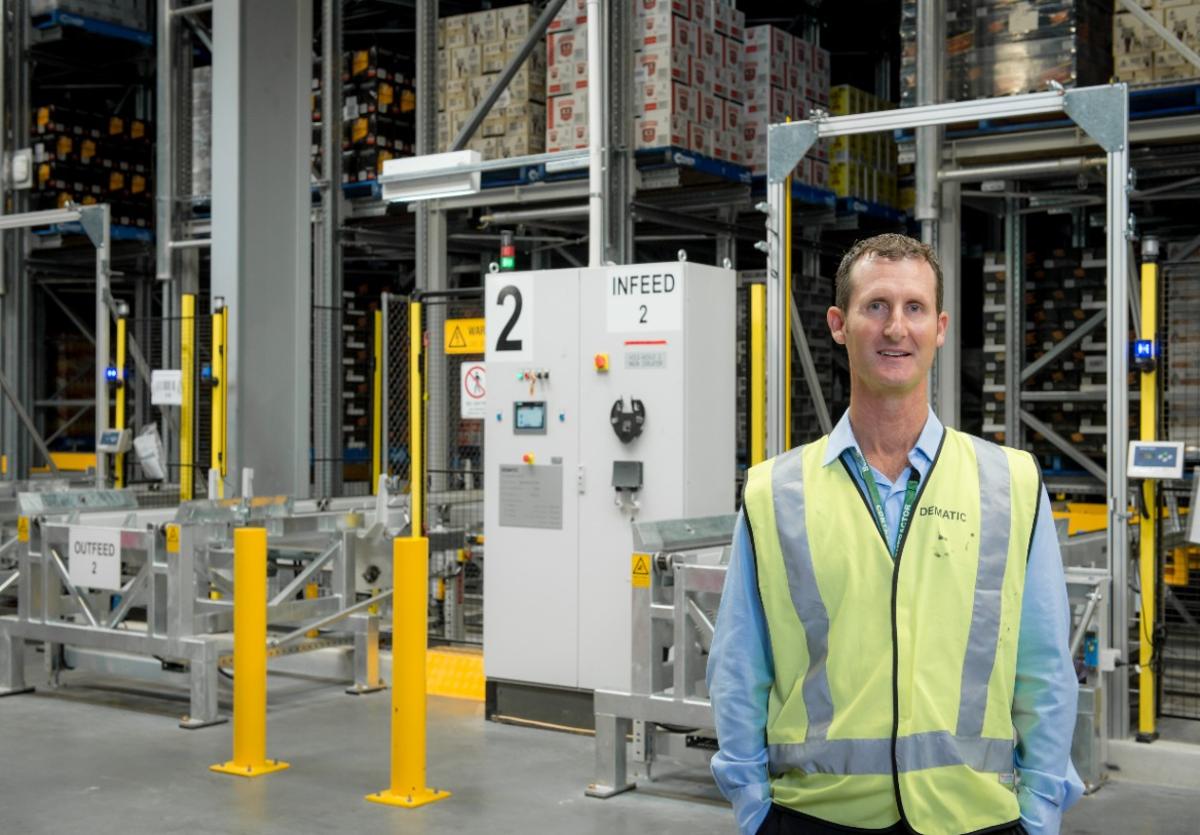
Manufacturing Consolidation and Automation Could Help Australia’s Food Supply Chain Withstand Mounting Pressures, Dematic Says
Why It Matters
The shift toward integrated, automated distribution hubs directly strengthens food‑security resilience and cost efficiency for Australian manufacturers facing volatile energy and input markets. Companies that act now can lock in lower freight spend and safeguard against future supply disruptions.
Key Takeaways
- •Consolidating warehousing with manufacturing cuts truck trips and diesel costs
- •Automated distribution centers boost productivity and reduce freight expenses
- •Early adopters of automation now show stronger resilience to supply shocks
- •Shifting consumer demand toward frozen foods pressures supply chain flexibility
- •Geopolitical and fuel volatility drive Australian food firms to redesign logistics
Pulse Analysis
Australia’s food supply chain is feeling the squeeze from three converging forces: volatile oil prices, chronic fertilizer shortages and a consumer pivot toward longer‑shelf‑life products. Diesel spikes inflate freight costs, while geopolitical tensions disrupt global shipping lanes, making raw material procurement less predictable. At the same time, tighter household budgets are reshaping grocery baskets, with shoppers favoring frozen and bulk items that demand different handling and storage. These dynamics expose the fragility of a network built on dispersed, low‑density warehouses and highlight the need for a more robust logistics architecture.
Dematic’s analysis points to consolidation and automation as the twin levers to restore stability. By co‑locating warehousing with production, firms can slash inter‑facility truck trips, directly curbing diesel exposure. Automated systems—ranging from robotic pickers to AI‑driven inventory management—boost throughput and reduce labor variability, delivering measurable productivity gains. Real‑world examples include Asahi Beverages’ Queensland hub, which merged multiple functions into a single site, and Diageo’s centralized storage that cut freight between plants. Teys Australia’s automated beef aggregation facility now handles over seven million cartons annually, illustrating how high‑density, tech‑enabled sites can streamline export logistics while preserving product integrity.
The broader implication is clear: companies that treated their supply chain as a design problem rather than an operational afterthought are now reaping resilience dividends. As fuel and fertilizer markets remain unpredictable, the competitive edge will belong to firms that can quickly scale automation, consolidate footprints, and adapt to evolving consumer preferences. Industry leaders should audit their logistics footprints, prioritize site co‑location, and invest in modular automation that can evolve with demand. Those that accelerate these initiatives will not only lower costs but also fortify Australia’s food security against future shocks.
Manufacturing consolidation and automation could help Australia’s food supply chain withstand mounting pressures, Dematic says
Comments
Want to join the conversation?
Loading comments...