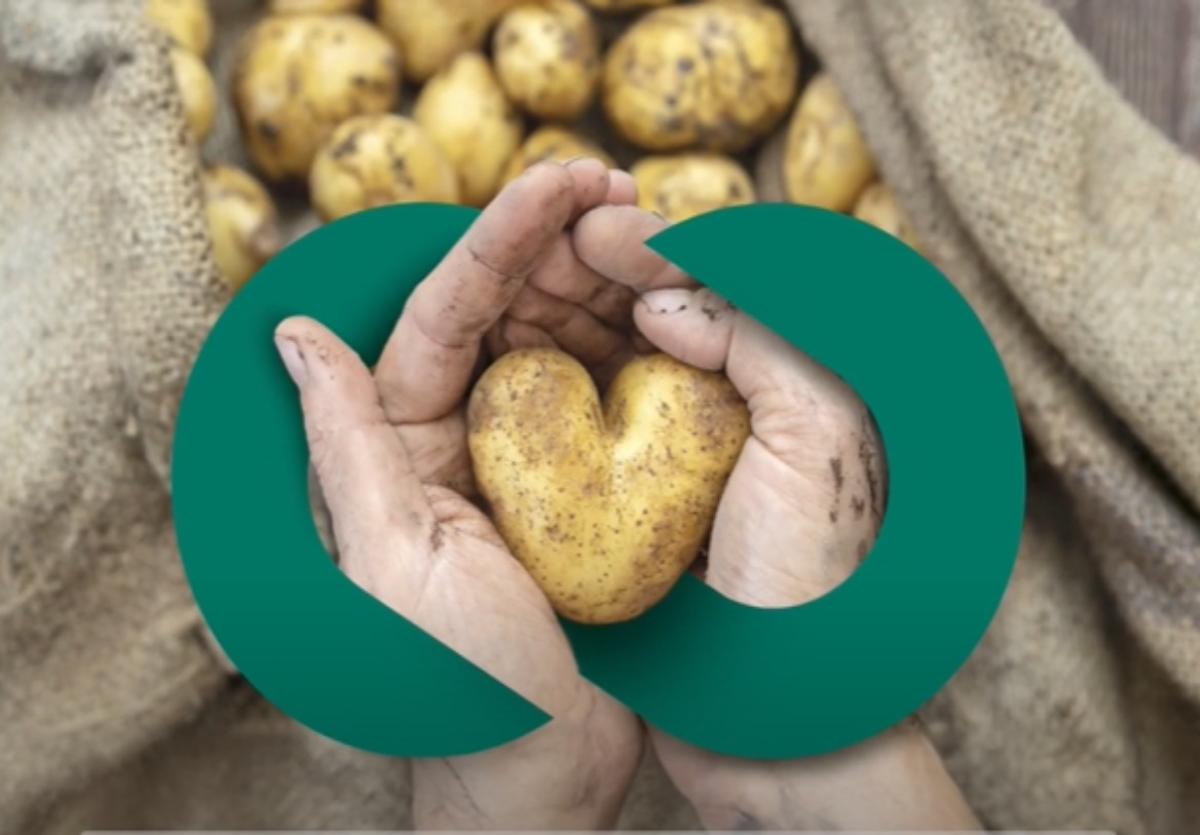
Manufacturing Potential Highlighted as Australia Eyes Share of $68.56B Upcycled Food Market
Why It Matters
Upcycling food waste transforms a costly environmental problem into a multi‑billion‑dollar revenue stream, strengthening Australian manufacturers’ competitiveness and resilience. The findings provide a roadmap for policy makers and investors seeking sustainable growth in the food sector.
Key Takeaways
- •Global upcycled food market projected $68.6B by 2032
- •Australia generates 2.96M tonnes food waste annually, creating upcycling potential
- •Regulatory frameworks are navigable, not a primary barrier for manufacturers
- •Free online guide and case studies help manufacturers launch upcycled products
- •Building consumer trust is critical to scale market demand
Pulse Analysis
The upcycled food segment is emerging as a cornerstone of the circular economy, with the global market expected to nearly double from $38.95 billion in 2024 to $68.56 billion by 2032. Australia’s abundant surplus produce—estimated at 2.96 million tonnes of waste each year—positions the country to become a leading supplier of high‑value, environmentally friendly food ingredients. By converting by‑products into nutritious offerings, manufacturers can tap into rising consumer demand for sustainable options while reducing disposal costs.
A comprehensive study led by Queensland University of Technology, in partnership with End Food Waste Australia and the Queensland Government, mapped the regulatory, manufacturing and consumer dynamics shaping the sector. The researchers concluded that existing food‑safety and labeling rules are manageable, provided companies approach them with clear documentation. Consumer acceptance emerged as the pivotal factor; trust‑building through transparent sourcing and credible claims can unlock broader market adoption. To support industry players, the project released a free online manufacturer’s guide and case studies that outline best practices and risk‑mitigation strategies.
For Australian manufacturers, the upcycling opportunity translates into new revenue streams and enhanced brand equity. Growers benefit from additional outlets for surplus harvests, while processors can diversify product lines without substantial capital outlay. The availability of practical guidance lowers entry barriers, encouraging investment and collaboration across the supply chain. As global pressure mounts to reduce food waste, firms that embed upcycling into their core operations will likely enjoy a competitive edge and contribute to a more resilient, low‑carbon food system.
Manufacturing potential highlighted as Australia eyes share of $68.56B upcycled food market
Comments
Want to join the conversation?
Loading comments...