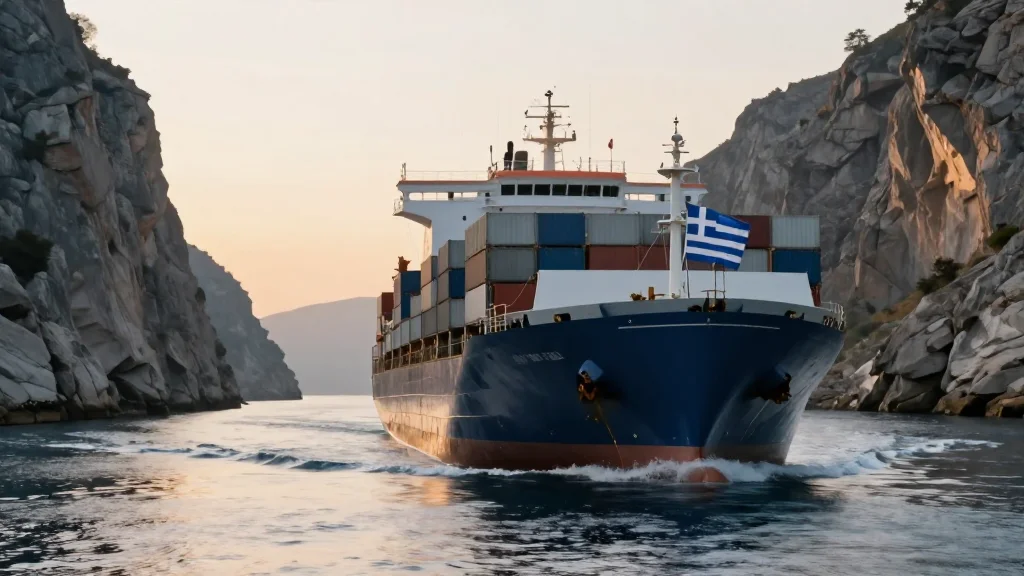
Marinakis: Shipping Would Be Better Off Paying a Hormuz Fee
Why It Matters
The proposal spotlights a practical, cost‑effective alternative to geopolitical shutdowns of a vital energy corridor, influencing risk‑management and freight‑rate dynamics for shipowners and energy markets.
Key Takeaways
- •Marinakis proposes $100k‑$150k transit fee for Hormuz passage.
- •Capital Maritime avoided the crisis by not sending ships to the region.
- •He expects a slow freight‑rate rebound, not a sharp spike.
- •Aging tanker fleet drives Capital Maritime’s new‑building and replacement program.
- •He criticizes EU sanctions, calling them harmful to European economies.
Pulse Analysis
The idea of a structured Hormuz transit fee taps into a classic cost‑benefit analysis for the shipping industry. War‑risk premiums surged as vessels rerouted around the Red Sea, inflating charter rates and insurance costs. A modest fee of $100,000 to $150,000 per vessel, as Marinakis suggested, could have offset those premiums while preserving the fastest route for crude and refined products. Policymakers have long debated "pay‑to‑pass" mechanisms for high‑risk chokepoints, and this commentary adds a real‑world perspective from a leading owner who witnessed the disruption firsthand.
Market participants are now calibrating expectations for a post‑conflict freight environment. While some forecast a sharp rally as strategic petroleum reserves are replenished, Marinakis cautions that demand will likely recover incrementally, tempered by lingering inventory gaps and cautious charterers. Simultaneously, the global tanker fleet is at its oldest in decades, prompting owners like Capital Maritime to accelerate new‑building programmes and sell off dated second‑hand units. This fleet renewal not only supports higher efficiency and compliance with emerging emissions standards but also positions owners to capture any upside when rates eventually rise.
Beyond pricing, the episode underscores broader policy challenges. Marinakis lambasted EU sanctions for penalising European economies more than Russia and called for incentives to retire sanctioned or poorly maintained "dark" vessels, arguing that recycling them would improve safety and reduce environmental risk. His remarks highlight shipping’s strategic importance to energy security and suggest that governments treat shipowners as partners rather than mere service providers. Aligning regulatory frameworks with industry incentives could mitigate future disruptions and reinforce the sector’s role as a backbone of global trade.
Marinakis: Shipping would be better off paying a Hormuz fee
Comments
Want to join the conversation?
Loading comments...