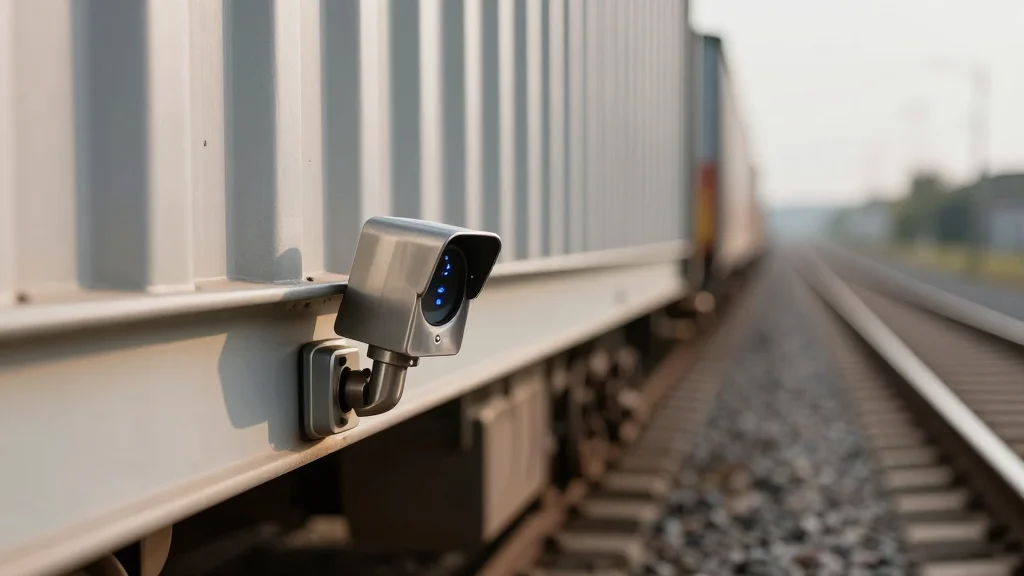
Matson Responds to Growing Cargo Theft in Intermodal Shipments
Why It Matters
The program strengthens supply‑chain resilience and lowers financial risk for shippers, signaling a shift toward tangible security measures amid escalating cargo theft.
Key Takeaways
- •Matson adds free security devices on LA‑to‑BNSF routes.
- •Containers placed in lower rail car well for added protection.
- •Cargo theft incidents up 13% YoY in Q2 2025.
- •Industry losses estimated up to $6.6 billion in 2023.
- •Competitors turn to AI, Matson focuses on hardware solutions.
Pulse Analysis
Rising cargo theft has become a headline concern for logistics firms, with the American Transportation Research Institute reporting over $16 million in stolen cargo value in 2023 and total costs that could reach $6.6 billion. A 13% year‑over‑year increase in Q2 2025 underscores the urgency, prompting lawmakers to spotlight the issue during Senate hearings on organized retail crime. Shippers face higher insurance premiums and disrupted delivery schedules, pressuring carriers to demonstrate proactive risk mitigation.
Matson’s response blends physical security hardware with strategic rail placement. Beginning in Q2, the carrier will install a proprietary security device on containers moving from Los Angeles to any BNSF‑served inland hub, at no extra charge to customers. In parallel, BNSF will load Matson’s containers in the lower well of intermodal cars, a configuration that makes unauthorized access more difficult. This dual‑layer approach contrasts with rivals like Werner Enterprises and Landstar System, which are investing heavily in AI‑driven monitoring and predictive analytics. By offering the enhancements for free, Matson hopes to retain price‑sensitive customers while differentiating its service reliability.
The broader market implication is a potential rebalancing of security investments. While AI offers predictive insights, physical deterrents provide immediate, tangible protection that can lower insurance claims and improve on‑time performance metrics. As theft costs continue to climb, carriers that combine both strategies may achieve a competitive edge. Matson’s initiative could set a new industry benchmark, encouraging other shippers to adopt similar hardware solutions or hybrid models, ultimately driving down the financial fallout from cargo theft across the U.S. supply chain.
Matson responds to growing cargo theft in intermodal shipments
Comments
Want to join the conversation?
Loading comments...