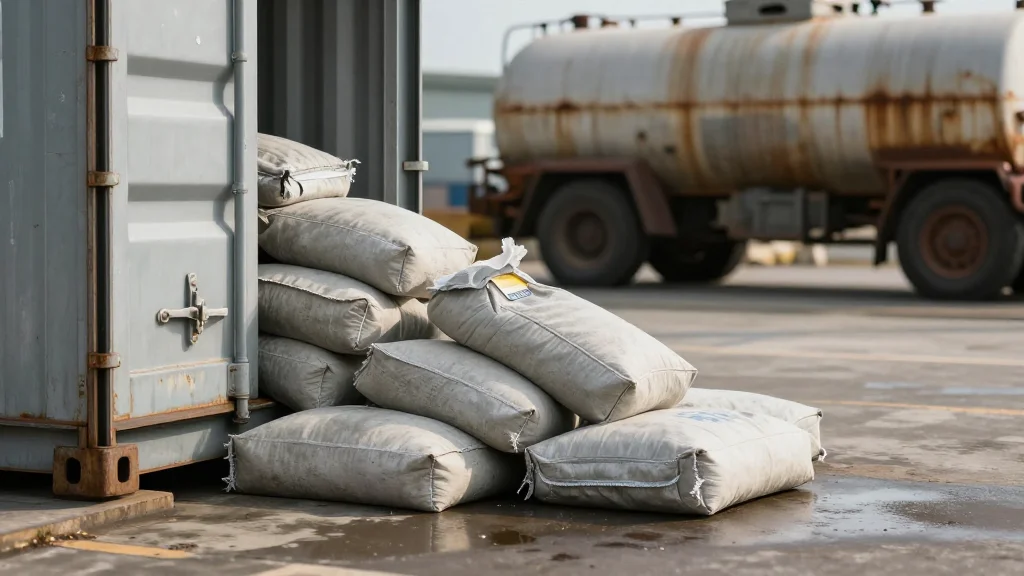
Middle East Crisis Strains Cement Sector
Why It Matters
Higher input costs and supply bottlenecks threaten the sector’s profitability and could ripple through Bangladesh’s construction market, which relies heavily on cement.
Key Takeaways
- •90% of cement inputs imported, mainly from Middle East
- •Production costs rose 30‑40% due to regional instability
- •Output fell 20‑25%; bag price now BDT 470‑550
- •Diesel shortages further impede transport and logistics
- •BCMA seeks customs duty cuts and tax relief
Pulse Analysis
The Bangladesh cement industry has long been tethered to the Middle East for its core raw materials. Roughly nine out of ten tonnes of clinker, limestone and gypsum arrive via sea lanes that now skirt a volatile geopolitical landscape involving the United States, Israel and Iran. Shipping delays, heightened insurance premiums and occasional port closures have pushed the cost of these inputs up sharply. For a country that builds roughly 30 million square meters of infrastructure each year, any disruption reverberates through downstream projects, from housing to highways.
With input prices climbing 30‑40%, manufacturers have seen profit margins evaporate. The sector’s output has contracted between 20 % and 25 %, while the price of a standard 50 kg bag has risen to BDT 470‑550, equivalent to about $4.35‑$5.10. A parallel diesel shortage, sparked by Bangladesh’s broader energy crunch, has throttled truck movements, further inflating logistics costs. Domestic demand remains tepid, limiting firms’ ability to transfer higher expenses to buyers and threatening the viability of plants operating well below capacity.
Facing a potential long‑term slowdown, the Bangladesh Cement Manufacturers Association is lobbying for immediate fiscal relief. Its key proposals include slashing customs duties on imported clinker and reducing advance income tax on essential inputs, measures that could shave several percentage points off production costs. If approved, the reforms would improve cash flow, encourage capacity utilization and stabilize bag prices, supporting the construction pipeline that underpins the nation’s GDP growth. Analysts warn that without such intervention, the cement sector could become a drag on broader economic development, prompting investors to reassess exposure to Bangladesh’s building materials market.
Middle East crisis strains cement sector
Comments
Want to join the conversation?
Loading comments...