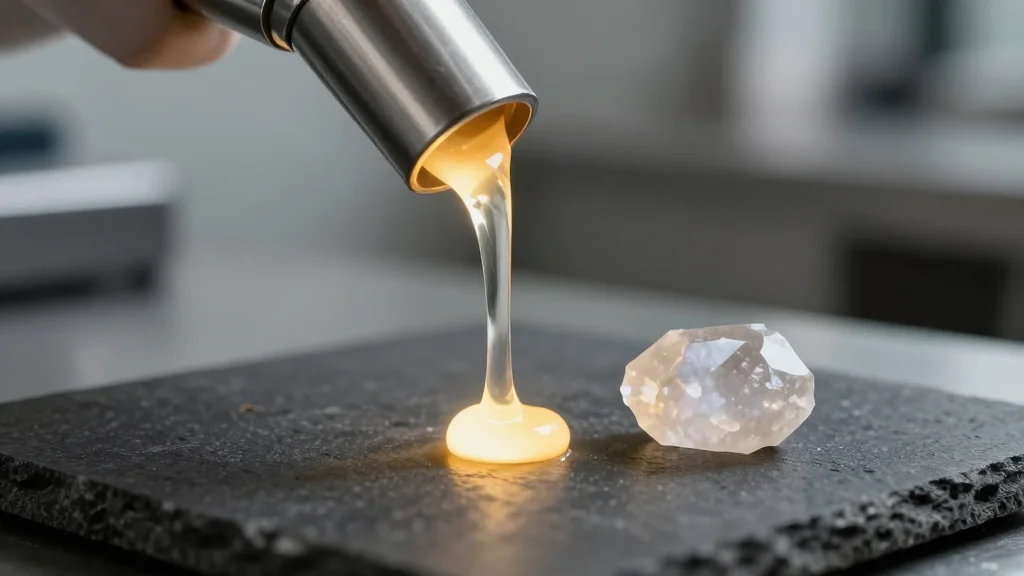
MIT Breakthrough Halves Hard‑rock Lithium Refining Costs, Promises Greener Battery Supply Chain

Why It Matters
The MIT process tackles two persistent bottlenecks in the lithium supply chain: high energy consumption and waste generation. By cutting refining costs by roughly 50%, it makes hard‑rock lithium competitive with brine sources, potentially diversifying supply away from China’s dominant refining capacity. This could reduce geopolitical risk for automakers and battery manufacturers while meeting stricter environmental standards. A greener, lower‑cost extraction method also supports policy goals in the United States and other allied nations to on‑shore critical mineral production. If the technology scales, it could accelerate the deployment of EVs and stationary storage by ensuring a more resilient, sustainable source of battery‑grade lithium.
Key Takeaways
- •MIT researchers demonstrate a low‑temp (60‑80 °C) lithium extraction process that cuts hard‑rock refining costs by ~50%
- •Process recovers alumina and silica, creating a closed‑loop system that reuses ammonium fluoride and water
- •Operating temperature stays below 100 °C, eliminating the >1,000 °C roasting step used today
- •Potential to shift lithium refining from China to resource‑rich regions like the U.S. and Australia
- •Technology published in *Science*; pilot‑plant scale‑up planned for 2027
Pulse Analysis
The MIT breakthrough arrives at a pivotal moment when the battery industry is grappling with supply‑chain constraints and ESG pressures. Historically, hard‑rock lithium has been sidelined because of its high energy demand and waste profile, giving brine extraction a cost advantage despite its own water‑use concerns. By slashing the energy intensity and creating a circular chemistry, the new process could rewrite the cost calculus that has kept hard‑rock projects marginal.
From a competitive standpoint, the technology could erode China’s refining monopoly. Chinese firms have leveraged economies of scale and low‑cost energy to dominate the downstream market, even though the raw ore is globally distributed. If the MIT method proves scalable, Western miners could capture more value domestically, aligning with recent U.S. policy incentives for critical mineral on‑shoring. This shift would also diversify risk for automakers that have been forced to hedge against supply disruptions and trade tensions.
Looking ahead, the key challenge will be moving from laboratory success to commercial viability. Pilot‑plant economics, reagent recovery efficiency at scale, and regulatory approvals for fluoride‑based chemistry will dictate adoption speed. Assuming a successful scale‑up, the process could be a catalyst for a broader re‑industrialization of the battery supply chain, enabling faster EV rollout and supporting grid‑scale storage projects that are essential for decarbonization goals.
MIT breakthrough halves hard‑rock lithium refining costs, promises greener battery supply chain
Comments
Want to join the conversation?
Loading comments...