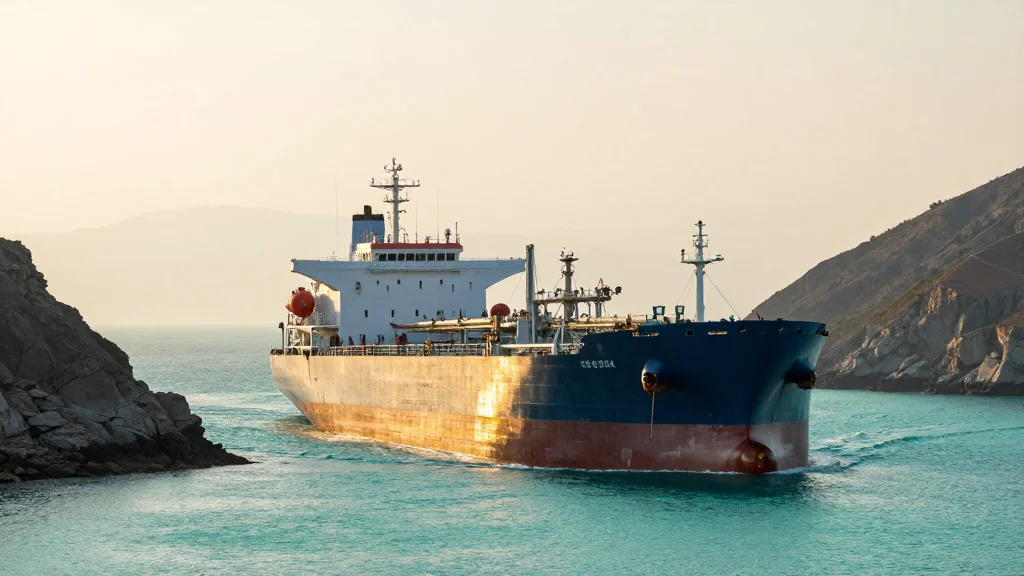
More than 20 Vessels Pass Strait of Hormuz on Saturday, Kpler Data Shows
Companies Mentioned
Why It Matters
The increased traffic signals that global oil supply routes remain functional, supporting stable energy markets and mitigating price spikes caused by chokepoint disruptions.
Key Takeaways
- •Over 20 ships crossed Hormuz, highest since March 1
- •Five vessels loaded from Iran, indicating limited sanctions impact
- •LPG carriers bound for China and India show Asian demand
- •Saudi crude tanker carries 2 M barrels to Taiwan
- •UAE naphtha shipment of 500k barrels headed for South Korea
Pulse Analysis
The Strait of Hormuz remains the world’s most critical maritime bottleneck for energy, funneling roughly a third of daily global oil consumption. Reuters reported that more than 20 vessels traversed the waterway on Saturday, the highest traffic level since March 1, according to Kpler’s satellite‑based analytics. This uptick follows a brief lull earlier in the month when regional tensions and weather disruptions temporarily slowed movements. The renewed flow signals that shippers are confident enough to resume regular schedules, keeping the artery open for both crude and refined products.
The crossing roster reveals a diversified cargo mix that underscores shifting market dynamics. Five of the ships had last loaded commodities in Iran, ranging from oil products to metals, suggesting that sanctions pressure has not fully curtailed Iranian export activity. Meanwhile, three LPG carriers bound for China and India highlight persistent Asian appetite for cleaner fuels. Large crude shipments—including a 2 million‑barrel Saudi tanker headed for Taiwan and a 780,000‑barrel UAE crude vessel bound for Sri Lanka—illustrate continued demand for Middle Eastern oil across the Indo‑Pacific.
Looking ahead, the volume of traffic through Hormuz will be a barometer for geopolitical risk and price volatility. Any escalation—whether from regional disputes or piracy—could quickly choke supply, prompting spikes in freight rates and prompting traders to reroute via longer, costlier paths such as the Cape of Good Hope. Conversely, stable passage supports steady oil benchmarks and reassures investors in downstream sectors. Market participants will therefore monitor Kpler data and naval advisories closely, as even modest changes in vessel counts can foreshadow broader shifts in global energy flows.
More than 20 vessels pass Strait of Hormuz on Saturday, Kpler data shows
Comments
Want to join the conversation?
Loading comments...