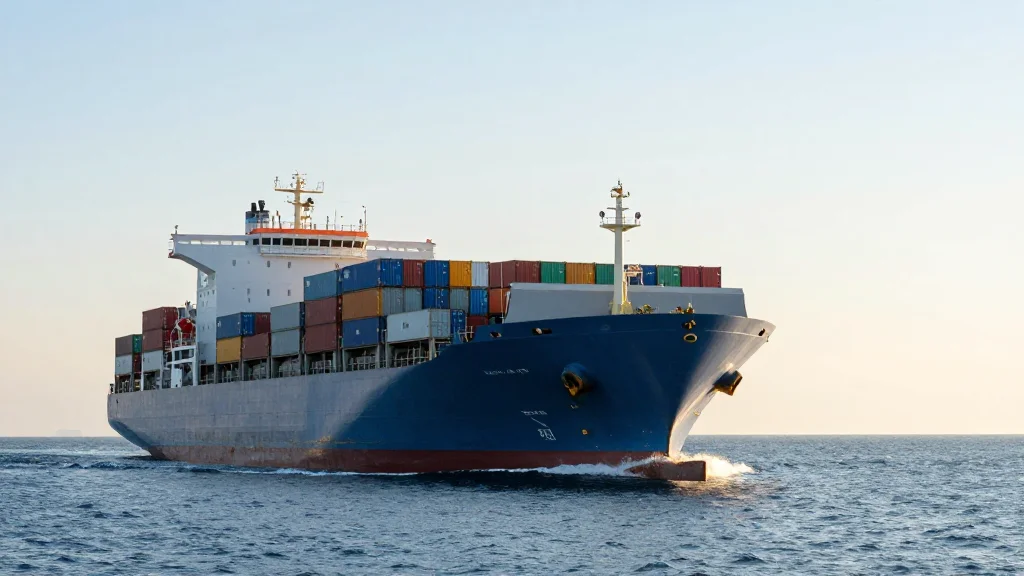
MSC Pulls India-USEC Capacity Amid Cloudy Market Conditions
Companies Mentioned
Why It Matters
The service removal reduces available westbound capacity, tightening an already soft market and potentially pushing freight rates higher for shippers on the India‑U.S. lane.
Key Takeaways
- •MSC ends Indus Express, cutting West India‑U.S. eastbound capacity
- •Service called at Karachi, Nhava Sheva, Mundra, and U.S. ports
- •Booking rates stalled $2,000‑$2,500 per FEU last month
- •Demand headwinds and geopolitical risk drive capacity reductions
- •Remaining carriers may face tighter space and higher rates
Pulse Analysis
The India‑U.S. eastbound container corridor has long been a bellwether for global trade sentiment, connecting a manufacturing powerhouse with one of the world’s largest consumer markets. Over the past month, freight bookings have hovered between $2,000 and $2,500 per forty‑foot equivalent unit (FEU), indicating a market stuck in a narrow price band. MSC, the world’s second‑largest container line, historically offered two dedicated strings on this lane, with the Indus Express serving a mix of Indian west coast ports and key U.S. East Coast gateways. By pulling the service, MSC signals that the prevailing demand headwinds—stemming from slower Indian import growth and lingering geopolitical tensions—outweigh the benefits of maintaining the route.
For shippers, the abrupt capacity reduction translates into fewer slot options and heightened competition for the remaining space. Larger carriers may respond by reallocating vessels from adjacent trades, but the net effect is likely a modest uplift in spot rates, especially for time‑critical cargoes. Freight forwarders will need to revisit routing strategies, possibly shifting volume to trans‑pacific or Europe‑East Coast alternatives that still retain capacity. The service’s termination also underscores the importance of flexible booking windows; customers who can tolerate longer transit times may secure better pricing, while those requiring rapid delivery could face premium charges.
Industry analysts view MSC’s move as part of a broader recalibration across the container sector, where carriers are pruning under‑performing services to preserve profitability amid volatile demand. The trend hints at a more fragmented market, with fewer players offering comprehensive coverage on the India‑U.S. lane. Stakeholders should monitor upcoming capacity announcements from rivals such as Maersk and CMA CGM, as well as any shifts in trade policy that could revive demand. In the interim, firms that invest in data‑driven freight planning and maintain diversified routing portfolios will be best positioned to navigate the tightening market dynamics.
MSC pulls India-USEC capacity amid cloudy market conditions
Comments
Want to join the conversation?
Loading comments...