Nearshoring Is Creating New Infrastructure Bottlenecks
Why It Matters
Infrastructure, labor, and utility gaps can erode the lead‑time and cost advantages of nearshoring, turning a resilience strategy into a new source of risk. Firms that anticipate and invest in these constraints will sustain competitive advantage in North American supply chains.
Key Takeaways
- •Manufacturing capacity outpaces local road, rail, and port upgrades.
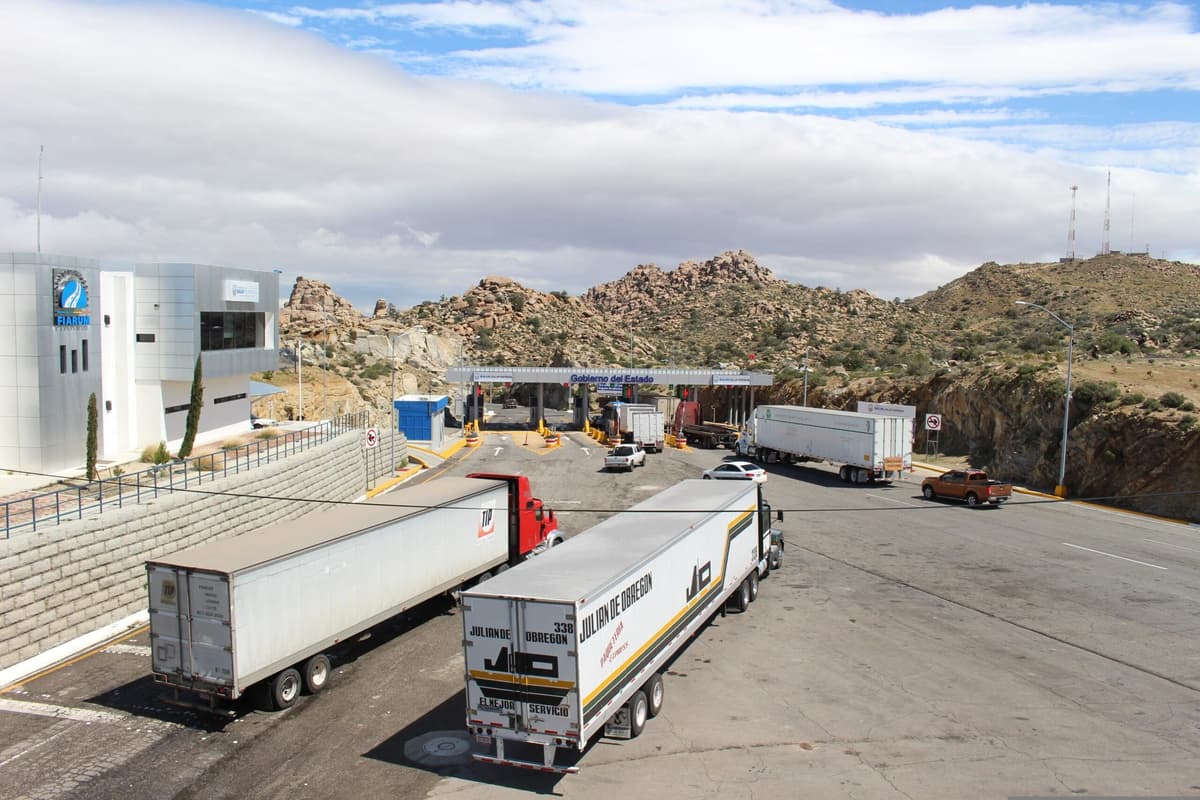
- •Border crossings become critical chokepoints for Mexico‑U.S. supply chains.
- •Skilled labor shortages emerge in northern Mexico and southern U.S. hubs.
- •Power and water grid constraints limit energy‑intensive nearshored plants.
- •Companies must redesign networks, not just relocate production.
Pulse Analysis
The surge in nearshoring over the past few years reflects companies’ desire to reduce exposure to distant disruptions and to shorten lead times. By relocating factories to Mexico, the United States, and other regional hubs, firms hope to gain greater control over inventory and improve responsiveness. However, this strategic pivot also redistributes risk, moving it from global ocean lanes to the domestic and cross‑border infrastructure that supports production. Understanding this shift is essential for executives evaluating the true cost‑benefit of nearshoring.
Infrastructure bottlenecks are emerging as the most visible constraint. Roads, rail corridors, and inland ports that were designed for lower freight volumes are now facing sudden spikes in demand, especially along the U.S.–Mexico corridor. High‑volume border crossings such as Laredo experience longer customs clearance times, turning a once‑minor delay into a supply‑chain disruption. Simultaneously, northern Mexican industrial zones and southern U.S. states are grappling with skilled‑labor shortages, while power grids and water supplies strain under increased industrial load. These localized pressures can offset the anticipated gains from proximity, forcing firms to hold safety stock or redesign logistics routes.
The strategic implication is clear: nearshoring must be approached as a comprehensive network‑design exercise. Companies should conduct granular assessments of transportation capacity, border throughput, labor market depth, and utility reliability before committing capital. Public‑private partnerships to expand rail lines, upgrade ports, and modernize grid infrastructure can mitigate risk, but they require long lead times and coordinated financing. Firms that proactively address these constraints—through site‑level risk modeling, diversified supplier bases, and investment in automation—will unlock the resilience and cost advantages that nearshoring promises, while avoiding the new bottlenecks that could otherwise erode competitive edge.
Nearshoring Is Creating New Infrastructure Bottlenecks
Comments
Want to join the conversation?
Loading comments...