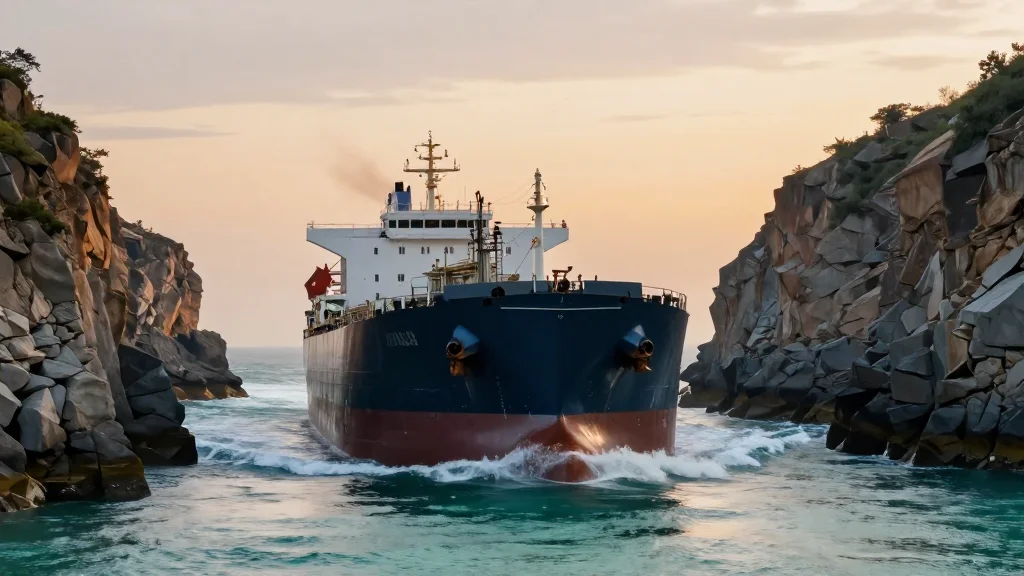
Near‑Zero Hormuz Traffic Triggers Container Shortages and Pushes Brent Above $94

Why It Matters
The Hormuz shutdown reverberates far beyond oil markets. With roughly one‑fifth of global oil and LNG shipments transiting the strait, any prolonged disruption tightens global fuel supplies, inflating transportation costs for all modes of freight. Higher bunker fuel prices feed directly into container rates, air‑freight premiums and ultimately consumer prices for food, apparel and electronics. For agricultural exporters, the combined effect of longer sea legs and scarce refrigerated containers threatens spoilage and squeezes margins, prompting a shift toward costlier air freight. In the broader macroeconomic picture, sustained Brent levels above $94 per barrel add pressure to inflation calculations in oil‑importing economies, complicating central‑bank policy and eroding disposable income. Shipping lines face a strategic dilemma: invest in larger fleets to absorb detours or accept reduced utilization and higher per‑container costs. The episode underscores how geopolitical flashpoints can instantly translate into supply‑chain bottlenecks, reinforcing the need for diversified routing and greater inventory buffers.
Key Takeaways
- •Kpler data shows near‑zero tanker crossings of the Strait of Hormuz on Sunday, effectively closing the waterway.
- •Brent crude rose to $94.57 a barrel, while WTI settled at $88.54, reflecting a 5‑7% weekly surge.
- •Spot 40‑foot container rates on the Shanghai‑Rotterdam lane jumped over 20% in mid‑April.
- •Detours around the Cape of Good Hope add 10‑14 days to Asia‑Europe voyages, straining vessel capacity.
- •Approximately 600 million barrels (six days of global consumption) have been blocked, according to ADNOC CEO Sultan Al Jaber.
Pulse Analysis
The Hormuz episode illustrates a classic supply‑chain shock where a single chokepoint can cascade through multiple layers of the global logistics network. Historically, the strait has been a barometer for oil‑price volatility; this time, its closure is also reshaping container flows, a less‑studied but equally critical conduit for food and manufactured goods. The 20% jump in spot freight rates signals that carriers are pricing in not just the immediate fuel surcharge but also the opportunity cost of vessels tied up on longer routes. In a market already grappling with post‑pandemic capacity constraints, the added strain could accelerate a shift toward larger, more fuel‑efficient ships and greater reliance on digital freight platforms that can dynamically re‑optimize routing.
From a strategic perspective, the dual pressure on oil and container markets may spur a re‑evaluation of inventory policies. Companies that have leaned heavily on just‑in‑time models could face higher stock‑out risks, prompting a modest swing back to safety stock, especially for high‑value perishables. Meanwhile, insurers and financiers will likely tighten credit terms for carriers operating in high‑risk zones, raising the cost of capital for fleet expansion.
Looking ahead, the durability of the price premium will depend on diplomatic progress. If Hormuz remains effectively closed for another month, we could see Brent breach the $100 mark, triggering a reassessment of growth forecasts across emerging markets. Conversely, a credible reopening could unleash a short‑term supply glut, pulling rates down and offering a brief reprieve for shippers. Either scenario underscores the importance of geopolitical risk monitoring as a core component of supply‑chain risk management.
Near‑Zero Hormuz Traffic Triggers Container Shortages and Pushes Brent Above $94
Comments
Want to join the conversation?
Loading comments...