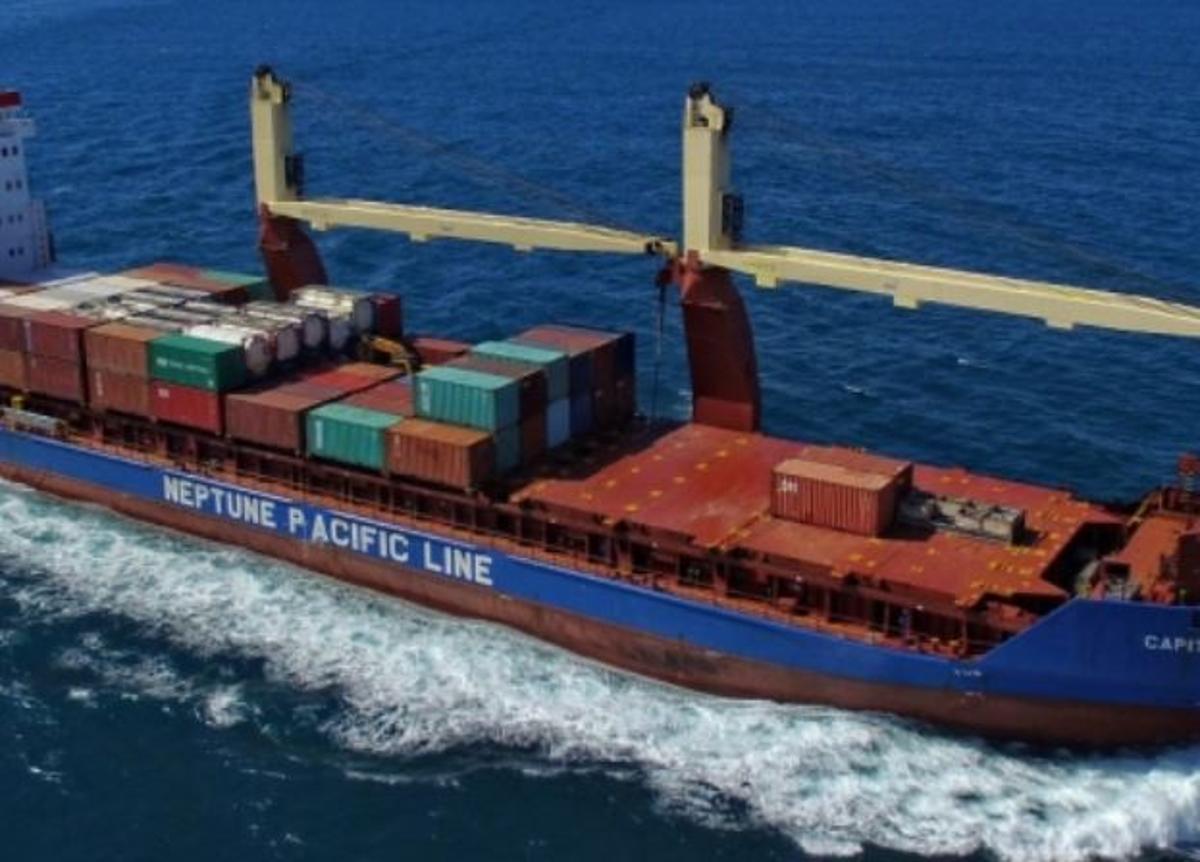
Neptune Pacific Updates BAF Levels Across Pacific Trades and U.S. West Coast
Key Takeaways
- •BAF for Australia‑South Pacific set at $669 per TEU
- •New Zealand‑South Pacific BAF lowered to $476 per TEU
- •Inter‑island BAF rises to $1,149 per TEU
- •U.S. West Coast surcharge $1,064 per TEU, plus $25 emission fee
Pulse Analysis
The Bunker Adjustment Factor (BAF) is a variable surcharge that carriers apply to offset fluctuations in marine fuel costs. Neptune Pacific’s latest update introduces differentiated rates across its Pacific network, with Australia‑South Pacific routes priced at $669 per TEU, New Zealand‑South Pacific at $476, and inter‑island services at $1,149. Reefers, which consume more power, will be billed at 1.5 times the dry‑container rate, underscoring the carrier’s effort to align charges with actual energy consumption.
For shippers, the new U.S. West Coast surcharge of $1,064 per TEU, coupled with a $25 emission control charge, represents a measurable increase in landed freight costs. Companies that rely on trans‑Pacific trade must reassess pricing models, potentially renegotiating freight contracts or exploring alternative routing to mitigate expense. The uniform application of the surcharge across all directions simplifies cost forecasting but also compresses margins for businesses operating on thin profit spreads.
Industry analysts view these adjustments as a barometer of broader fuel‑price volatility that continues to ripple through global logistics. While some carriers have frozen BAFs to remain competitive, Neptune Pacific’s decision to raise rates signals confidence in its market position and a willingness to pass fuel cost pressures onto customers. Stakeholders should monitor upcoming fuel market trends and regulatory developments, such as stricter emissions standards, which could further reshape surcharge structures in the coming quarters.
Neptune Pacific updates BAF levels across Pacific trades and U.S. West Coast
Comments
Want to join the conversation?