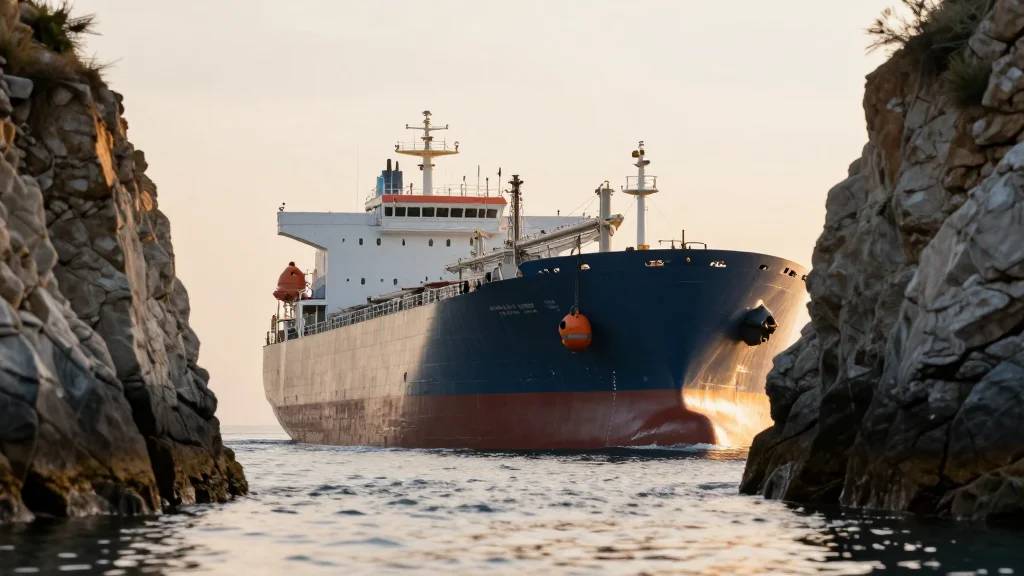
Netherlands Triggers First Phase of Oil Crisis Plan as Strait of Hormuz Tensions Spike

Why It Matters
The Dutch activation of its oil crisis plan highlights how geopolitical flashpoints can instantly translate into supply‑chain disruptions for a highly integrated European market. By moving to level 1, the Netherlands not only safeguards its own fuel availability but also sets a precedent for coordinated emergency responses across the EU, where shared reserves and joint monitoring can blunt the impact of sudden oil flow interruptions. The episode also reinforces the strategic importance of the Strait of Hormuz, reminding policymakers that even a brief closure can ripple through freight costs, manufacturing output, and consumer prices far beyond the Middle East. For businesses, the development serves as a reminder to reassess inventory buffers, diversify energy sourcing, and incorporate geopolitical risk scenarios into continuity planning. As energy markets remain volatile, firms that can quickly adapt to shifting fuel availability will be better positioned to maintain operations and protect margins.
Key Takeaways
- •Dutch cabinet activates phase 1 of national oil crisis plan, moving to level 1 of 4.
- •Iran’s Revolutionary Guard blocked the Strait of Hormuz, affecting ~20% of global oil exports.
- •Plan includes strategic fuel reserve releases and coordination with EU partners.
- •European oil prices rose and logistics firms warned of potential freight cost spikes.
- •Activation signals a shift toward proactive, coordinated supply‑chain risk management in the EU.
Pulse Analysis
The Netherlands’ decision to trigger its oil crisis plan is a textbook example of pre‑emptive supply‑chain governance in a high‑risk environment. Historically, European nations have relied on ad‑hoc measures when crises emerge; the Dutch framework, however, codifies a four‑stage response that can be escalated quickly. This structured approach reduces decision latency, allowing authorities to tap strategic reserves and communicate with industry players before panic sets in. In the short term, the move stabilizes domestic fuel markets, but its longer‑term impact may be more profound: it forces neighboring countries to benchmark their own emergency protocols, potentially leading to a more harmonized EU crisis‑management architecture.
From a market perspective, the activation underscores the price elasticity of oil in a tightly linked supply chain. Even a brief perception of scarcity can lift Brent crude by a few dollars, which cascades into higher retail fuel prices and increased freight costs. Companies that have not built sufficient buffer stocks may face margin compression, especially in sectors like logistics and chemicals that are heavily fuel‑intensive. The episode also revives strategic discussions about diversifying energy inputs—whether through biofuels, electrification of transport, or greater reliance on renewable power—to reduce exposure to chokepoints like Hormuz.
Looking forward, the key question is whether the Dutch government will need to progress to higher alert levels. If Iran’s actions persist or expand, the crisis plan could move into phase 2, which would likely involve stricter rationing and deeper coordination with EU energy ministries. For supply‑chain leaders, the lesson is clear: geopolitical risk is no longer a peripheral concern but a core variable that must be integrated into demand forecasting, inventory strategy, and contingency planning. Companies that embed real‑time geopolitical intelligence into their operational dashboards will be better equipped to navigate the next wave of disruptions.
Netherlands Triggers First Phase of Oil Crisis Plan as Strait of Hormuz Tensions Spike
Comments
Want to join the conversation?
Loading comments...